Beverage Manufacturers
Finance complete production lines, pasteurizers, homogenizers, filling systems, and packaging equipment for beverage manufacturers. Competitive terms, fast.
The difference between a beverage concept and a beverage manufacturer is the production line. Once the formula is dialed in and the first retail placement is secured, the question becomes whether your facility can run the volume the buyer expects and hold the quality spec from the first case to the ten-thousandth. Beverage manufacturers at every scale, from regional brands running 20,000 cases a month to contract packers running multiple SKUs on a shared line, need capital to upgrade throughput, extend shelf life capability, or qualify new packaging formats. We finance that capital need.
We work specifically in the beverage and food-and-drink equipment category, which means the available equipment finance programs understand the assets, the production economics, and the revenue rhythm of manufacturers in this space. A standard commercial bank loan process is often too slow, too document-heavy, and too rigid for a beverage manufacturer who needs to land a piece of equipment and start running it within a quarter.
Equipment Beverage Manufacturers Finance
The capital purchases that define a beverage manufacturer's capacity sit across several equipment categories. On the processing side, homogenizers for emulsified beverages, pasteurizers for heat-treated products, and mixing and blending tanks for batch formulation represent core processing assets. On the packaging side, bottling lines and canning lines determine format flexibility and output speed. Each of these categories carries six-figure price tags for commercial-grade equipment, and the combination of processing and packaging equipment for a meaningful production volume can reach well into the millions.
Manufacturers adding new packaging formats, say, moving from PET bottles to aluminum cans to serve a new retail channel, face a substantial capital event. A canning line that can run at commercial speeds typically starts around $200,000 and scales up significantly for higher-speed systems. Financing the format expansion as a standalone project, separate from the rest of the facility's equipment financing, is often the cleanest approach.
- Homogenizers and emulsification systems
- Pasteurization and HTST lines
- Mixing, blending, and jacketed batch tanks
- Bottling and canning lines at commercial speed
- Labeling, shrink-wrap, and case-packing systems
- Reverse-osmosis water treatment systems
Financing Process for Manufacturers
Beverage manufacturer deals often exceed the application-only threshold of approximately $400,000, particularly when a full production line or a filling and packaging upgrade is involved. For those transactions, we assemble a financial package including tax returns, P&L statements, and a balance sheet, then submit simultaneously to multiple lenders who specialize in food and beverage manufacturing assets. The multi-lender approach compresses the timeline and tends to produce better terms than a single-bank submission.
For equipment purchases under $400,000, application-only financing gets a manufacturer to a decision in 24 to 48 hours with no financial statements required. This is the right structure for a single piece of equipment, a targeted upgrade, or a replacement asset purchase. Closing timed to the beverage-equipment package is typical.
Manufacturers who carry existing equipment debt or lease obligations are not automatically disadvantaged. Lenders evaluate the total debt service coverage relative to revenue, and a manufacturer with strong sales and reasonable leverage is fundable even if the balance sheet is not spotless.
Leveraging Existing Assets
Beverage manufacturers who own significant equipment outright, whether because the original deal was cash-funded or because older loans have paid off, are sitting on unmonetized equity. A cash-out refinance extracts that equity as working capital while the equipment stays in service. For manufacturers looking to fund an expansion without taking on net new equipment debt, this is often a cleaner path than an unsecured working capital loan.
The lease structure decision matters more for manufacturing assets than for most other equipment categories. Fair market value leases offer lower monthly payments and the ability to return or upgrade equipment at term end, which suits manufacturers who expect technology or format requirements to shift. Dollar-buyout leases function more like loans and are better for assets the manufacturer intends to run until fully depreciated.
Which Manufacturers We Work With
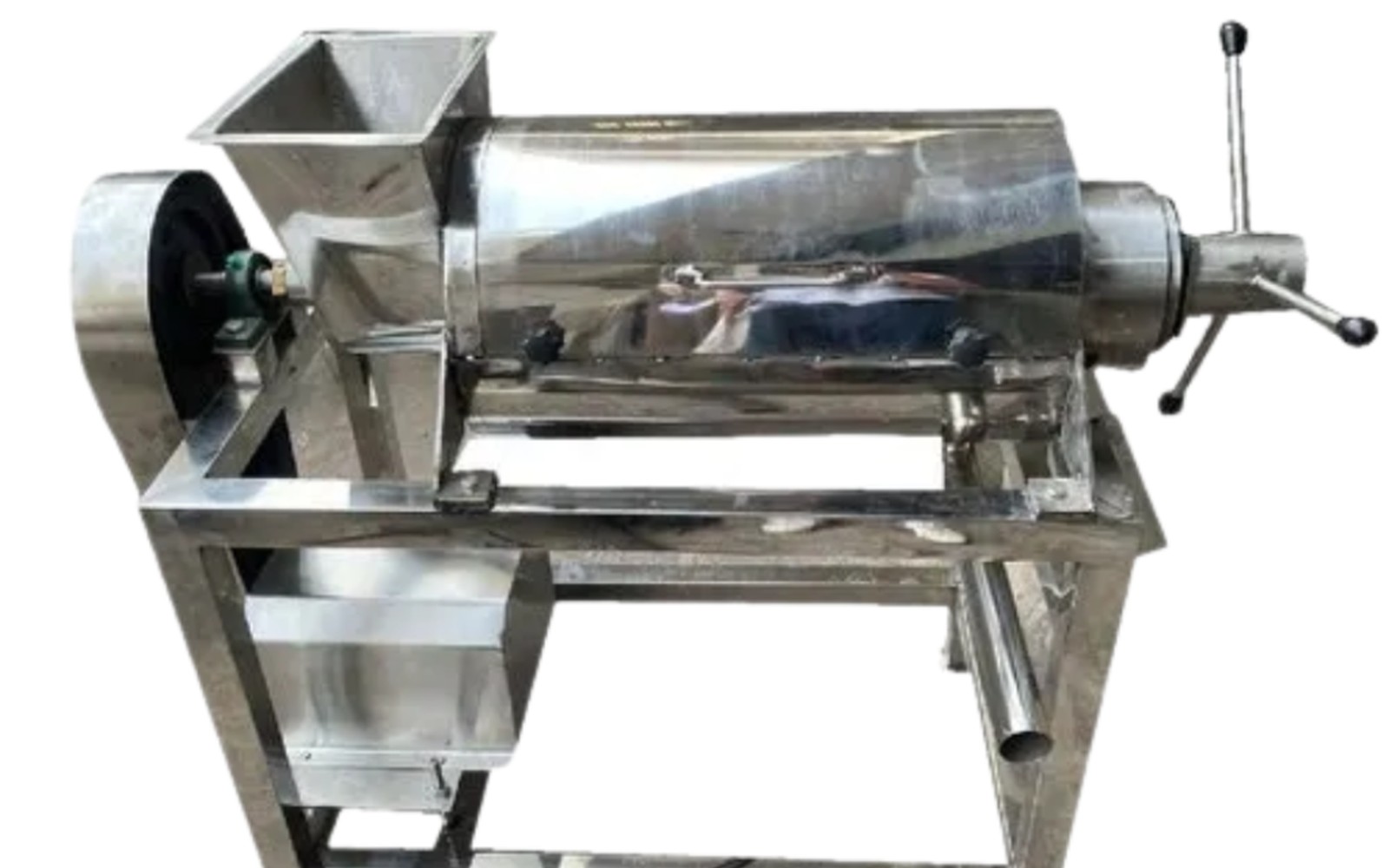
We work with branded beverage manufacturers, private-label producers, and co-manufacturers across the beverage spectrum. On the juiced-and-pressed side, we serve juice manufacturers running extraction lines and bottling systems. Across the wider beverage category, we handle functional beverages, ready-to-drink coffees, kombuchas, sparkling waters, and sports drinks. The common thread is production equipment with identifiable value that can serve as collateral, and a manufacturer with real revenue or a credible plan to generate it.
We do not require a manufacturer to be ten years old or carry a pristine balance sheet. Growth-stage manufacturers with 12 to 24 months of revenue, a retail placement or contract in hand, and a clear use of funds for the equipment have a viable path to financing through our financing team.
Get Financing for Your Beverage Production Equipment
Send us the equipment list, the vendor quote, and a brief on your production situation. We will put together financing options from lenders who understand beverage manufacturing, not just food service. Larger transactions receive a call within 24 hours.
Related Financing Paths
Common Questions on Beverage Manufacturers
Straight answers before you send the equipment file.
Can I finance a complete production line installation, including contractor costs and equipment, in one transaction?
Yes. Soft costs including installation, engineering, and commissioning can sometimes be included in a financed transaction, depending on the lender. The cleaner the equipment vendor invoice, the easier it is to include associated soft costs. Describe the full project scope at application.
My beverage company has two years of revenue but we had a down year in year one. Will lenders penalize that?
Lenders look at trend, not just averages. A company showing clear improvement from year one to year two, with strong current bank balances, is a much better story than a flat or declining one. We present your financials with context, not just raw numbers.
We are adding a canning line to our existing bottling facility. Is the canning line eligible on its own?
Absolutely. A canning line is a standalone capital asset and can be financed independently of the rest of your facility's equipment. If you also want to refinance or consolidate existing equipment obligations at the same time, we can structure both in the same transaction.
What is the maximum term length for a beverage production line loan?
Most equipment financing for production lines runs five to seven years. Some lenders offer ten-year terms for significant assets. The useful life of the equipment and the lender's collateral view determine the outside limit. Longer terms mean lower monthly payments but more total interest paid.
Do you work with foreign-manufactured equipment, like European filling lines?
Yes. European brands like Krones, KHS, GEA, Sidel, and others are well-known assets in this category and lenders are familiar with their value. Import costs, duties, and installation may or may not be bundleable depending on the lender, but the equipment itself is financeable.
Ready to Finance Beverage Manufacturers?
Send the equipment quote, seller, transaction size, and target timing. The financing desk will review the package and return a clear next step.