Startup Business Financing
New juice brand, no years of returns? Startup equipment financing gets cold presses, filling systems, and production gear funded before your first official.
The cold press is sitting in a dealer's warehouse, the retail account is waiting on a sample, and the label is done. The only thing between you and the first production batch is the equipment, and the equipment costs more than you want to spend out of pocket on a business that is still finding its shelf. Startup financing exists because beverage brands are built before the bank account looks like a bank account.
We work with early-stage juice brands, founders building their first commercial cold-press operation, and entrepreneurs scaling from a farmers-market table to a co-packer or production facility. Startup financing is harder to structure than financing for an established business, but it is not impossible when the deal is put together the right way.
What Lenders Look At When Business History Is Limited
Without years of business revenue, lenders shift their underwriting focus to two things: the founder's personal credit profile and the strength of the collateral. That shift changes the math in important ways.
Personal credit score is the most critical variable in a startup deal. A founder with a 720-plus FICO and a clean personal credit history has access to programs that a founder with a 580 score simply does not, regardless of how compelling the business plan is. If your personal credit is strong, startup equipment financing is achievable on a fresh business. If it is not, building it up before pursuing equipment financing is often the smarter sequence.
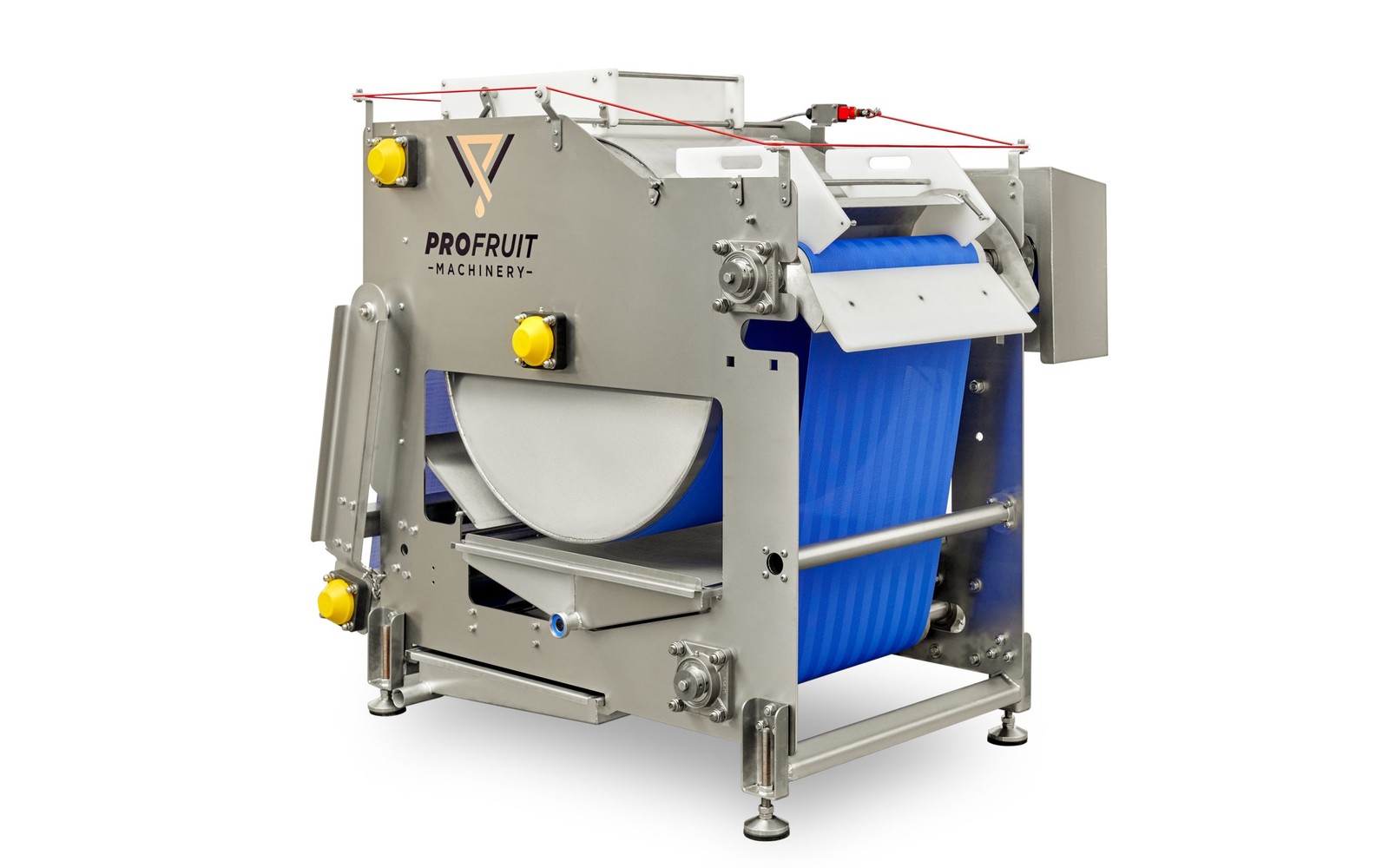
Collateral strength is the second lever. Equipment with clear secondary-market value, like a Goodnature cold press or a production-grade filling system, secures better startup terms than generic or highly specialized equipment with limited resale demand. The lender knows that if the startup does not make it, there is a market for the machine.
Some startup programs require a larger down payment, typically 10 to 30 percent, which lowers the lender's exposure and counterbalances the limited business history. That down payment can sometimes be structured as a security deposit rather than a direct principal reduction, which means it may be refundable at lease end in certain structures.
Programs Available for New Businesses
Not all lenders work with startups, and the ones that do have specific program requirements. Here is what the realistic landscape looks like:
- Startup-program lenders work with businesses under 24 months old. They typically require strong personal credit, a personal guarantee, and equipment with established resale value. Rates run higher than for established borrowers because the default risk is statistically higher in the first two years.
- SBA programs including the SBA 7(a) and SBA 504 can accommodate startup scenarios, particularly when a business plan and personal collateral support the deal. SBA deals take longer to close (often 60 to 90 days) but can provide better rates and longer terms for the right candidate.
- Vendor and manufacturer financing is sometimes available directly from the equipment manufacturer or their financing arm. Goodnature, for example, has worked with lenders who understand their equipment, and that familiarity with the asset can offset some of the startup premium.
- Lease programs designed for startups often require a higher security deposit in lieu of two years of business history. An equipment lease structured this way can get a new brand into production equipment at a manageable monthly payment.
Startup Beverage Founders Who Finance Well
Startup financing works best for founders who are clear-eyed about what the program costs and why. A first-year beverage brand is paying a risk premium, and the honest answer is that risk premium is often worth it when the alternative is not launching at all.
Founders building a cold-press juice brand from scratch often have a strong retail relationship, a tested recipe, and a clear distribution plan before the equipment conversation even starts. Lenders who understand the beverage space recognize that the business plan and customer traction tell a real story even without two years of tax returns.
Founders launching a complete juice bar buildout for a brick-and-mortar location sometimes pair equipment financing with a commercial real estate lease and a modest working capital facility. We can help structure all three conversations so the cumulative monthly obligations fit inside a realistic opening-month revenue forecast.
What does not work well in startup financing: expecting the same terms as a five-year operator, hoping the lender will ignore a poor personal credit history, or applying before the business entity, bank account, and EIN are fully established. Get those basics in place first.
Timeline for Startup Deals
Startup deals take longer than established-business deals because the underwriting is more manual. A standard app-only deal for a two-year-old business might close in a week. A startup deal for a brand under twelve months old typically takes two to three weeks, sometimes longer if an SBA program is the right vehicle.
We recommend starting the financing conversation before you have finalized the equipment choice. That gives us time to assess your profile, identify the right lender programs, and give you a realistic expectation of what you will qualify for, before you have emotionally committed to a specific machine at a specific price.
Owners frequently line this up against Used Juicing Equipment, Hydraulic Press Juicer, and Centrifugal Juicer.
Start the Conversation Early
The sooner we understand your situation, the better we can set expectations and structure the deal. Share where your business is, what equipment you need, and your personal credit range, and we will map the realistic options for your stage.
Related Financing Paths
Common Questions on Startup Business Financing
Straight answers before you send the equipment file.
Can I finance equipment before I have made a single sale?
It is possible but difficult without significant personal credit strength and a down payment. Most startup programs require at least some operating history or evidence the business is actively generating revenue. A pre-revenue startup is a hard placement and will require either exceptional personal credit or a co-signer.
Do I need a business plan to get startup equipment financing?
Not always, but it helps. Lenders who work with startups want to understand how the equipment generates revenue. A concise plan showing projected production volume, target retail accounts, and revenue per batch does more to support your application than financial projections alone.
Will my personal assets be at risk if the business fails?
If you sign a personal guarantee, which is standard in startup deals, the lender can pursue personal assets if the business defaults and the equipment value does not cover the outstanding balance. This is the real risk of startup financing, and it is worth understanding clearly before you sign.
How much can I borrow as a startup?
Startup programs vary, but deals from $50,000 to $150,000 are the most common range for a first-time equipment finance deal with a new business. Deals above that level typically require additional underwriting, a larger down payment, or a co-borrower with established business history.
Is there a benefit to waiting until I have two years of history before buying equipment?
Sometimes. A business with two years of revenue and solid bank statements accesses better rates and programs than a startup. If waiting eighteen months lets you qualify for terms that save meaningful money over a five-year loan, that calculation can favor patience. But if the equipment is what unlocks the revenue, waiting is not free either.
Ready to Finance Startup Business Financing?
Send the equipment quote, seller, transaction size, and target timing. The financing desk will review the package and return a clear next step.