Equipment Lease
Lease cold-press juicers, bottling lines, and production equipment with lower monthly payments and flexible end-of-term options. We finance beverage brands at.
Your next SKU launch does not care whether you own the filler or lease it. What it cares about is whether the machine shows up before the shelf space closes. An equipment lease puts production capacity in your facility with lower monthly payments than a loan, keeps the asset off your balance sheet, and hands you options at the end of the term, whether that means upgrading to a newer model, purchasing outright, or returning the unit and reallocating the capital.
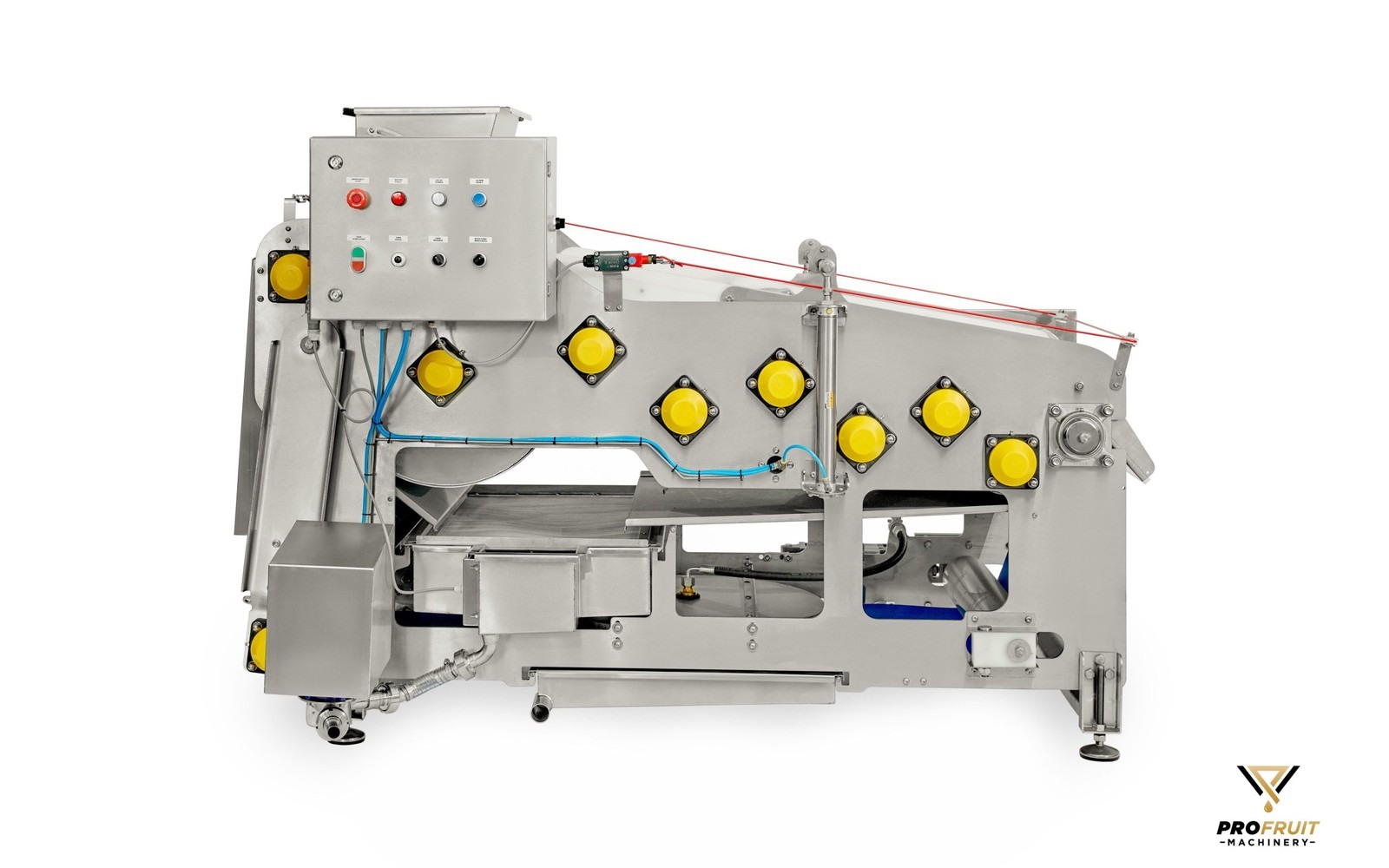
We lease commercial cold-press juicers, HPP units, filling systems, pasteurizers, and complete production lines to juice bars, craft beverage brands, co-packers, and manufacturers. Deals start at $50,000 and we work with B and C credit profiles as well as A-paper operators.
How Lease Payments Compare to Loan Payments
A lease payment is almost always lower than a loan payment on the same equipment because you are financing only the depreciation the equipment experiences over the lease term, not the full purchase price. On a $200,000 commercial pressing system with a strong residual value, the difference in monthly payment between a lease and a loan can be meaningful enough to free cash for raw materials, labor, or marketing.
That lower payment comes with a trade-off: at the end of the term, you do not automatically own the machine. The two most common end-of-term structures are a fair market value lease, where you can buy at appraised value, return, or renew, and a dollar buyout lease, where you pay one dollar and the machine is yours. The right structure depends on whether you want to own the asset long-term or prefer the flexibility to upgrade. We compare both options in detail on our FMV vs. dollar buyout lease page.
Equipment That Leases Well
Lenders set residual values based on the equipment's expected useful life and secondary-market demand. High-residual assets lease at the most attractive rates because the lender can recover more value at lease end if you return the unit. In the juicing and beverage production world, that typically means:
- Cold-press systems from recognized manufacturers like Goodnature hold residual value and fund well. A Goodnature X-1 or M-1 running full production shifts has a clear resale market that supports strong lease terms.
- Bottling and filling systems such as inline fillers and rotary filling machines are leasable at most throughput ranges.
- HPP machines are large-ticket assets whose residual value is well-established in the beverage industry, making them strong candidates for lease financing.
- Labeling and packaging systems including labeling machines and shrink-wrap equipment qualify readily when tied to a larger production build-out.
Used equipment leases are available but carry shorter terms and require clear documentation of the asset's condition. We generally recommend a loan structure for equipment more than seven years old, but exceptions exist depending on condition and manufacturer support.
What We Look At
For lease deals up to approximately $400,000, we can often underwrite on an application-only basis without pulling years of tax returns. We look at time in business, monthly revenue run rate, and the business credit profile. For larger deals, three months of bank statements and basic business financials round out the picture.
Startups and early-stage brands face more scrutiny from standard lessors, but structured leases with a larger security deposit or a personal guarantee can open doors. Founders with a strong personal credit profile and a clear business plan for how the equipment generates revenue often qualify for lease programs even without several years of business history. Our startup business financing page covers what that looks like in practice.
Lease Versus Loan: Choosing the Right Structure
The lease-versus-loan decision comes down to three questions: Do you want to own the equipment at the end? Do you want the depreciation deduction now? And how much does the monthly payment spread matter to your cash position?
Owners who want long-term asset control, plan to apply the Section 179 deduction, and can absorb a higher monthly payment lean toward a loan. Operators who are scaling fast, expect to upgrade equipment in three to five years, and want to preserve cash for inventory and growth lean toward a lease.
Many beverage brands use both: a loan on the core press they plan to run for a decade and a lease on filling or labeling equipment they expect to swap out as volume grows. You can compare the loan structure directly on our equipment loan page.
For operators with existing equipment carrying equity, a Sale-Leaseback can convert that equity into working capital while keeping the machine running in your facility under a lease agreement.
Get Your Lease Quote
Share what equipment you need, the approximate cost, and your current monthly revenue. We will come back with a lease structure the same day and explain every end-of-term option in plain language before you sign anything.
Related Financing Paths
Common Questions on Equipment Lease
Straight answers before you send the equipment file.
Can I upgrade the equipment before my lease term ends?
Yes, in many cases. Some lease programs include early-upgrade provisions. Others allow you to roll the remaining balance into a new lease. We structure deals with upgrade flexibility in mind when you tell us that is a priority.
Does a lease show up on my balance sheet?
Under current accounting standards (ASC 842), most leases do appear on the balance sheet as a right-of-use asset. However, operating leases do not record depreciation the same way owned assets do, and the off-balance-sheet treatment that existed before 2019 is mostly gone. Talk to your accountant about how a specific structure affects your financial statements.
What happens if the equipment breaks down during the lease?
Maintenance responsibility depends on the lease structure. Most equipment leases put routine maintenance on the lessee. Manufacturer warranties carry through the lease, and you can add equipment warranties or service contracts at closing. The lender holds the title but not the maintenance obligation.
Can I lease equipment I already own and then lease it back?
That is a sale-leaseback, and yes, it is a common structure for beverage operators who own production equipment outright or with a small remaining balance. The lender buys the equipment from you at fair market value, you receive cash, and you continue using the machine under a lease.
Is there a minimum lease term?
Most equipment leases in the beverage and food-processing space run 36 to 60 months. Shorter terms are available but carry higher payments because the lender is recovering more residual risk over a compressed window.
Ready to Finance Equipment Lease?
Send the equipment quote, seller, transaction size, and target timing. The financing desk will review the package and return a clear next step.