Cash-Out Refinance
Pull equity from your cold press, HPP machine, or production line with a cash-out refinance. Keep ownership. Get working capital. Starts at $50k.
The HPP machine you paid down over three years is worth more than you owe on it, and that gap is money that could be buying produce, funding a new SKU, or covering the deposit on a new distribution deal. A cash-out refinance taps that equity, pays off the existing note, and puts the difference in your operating account, all while keeping you as the owner of the equipment you depend on every batch.
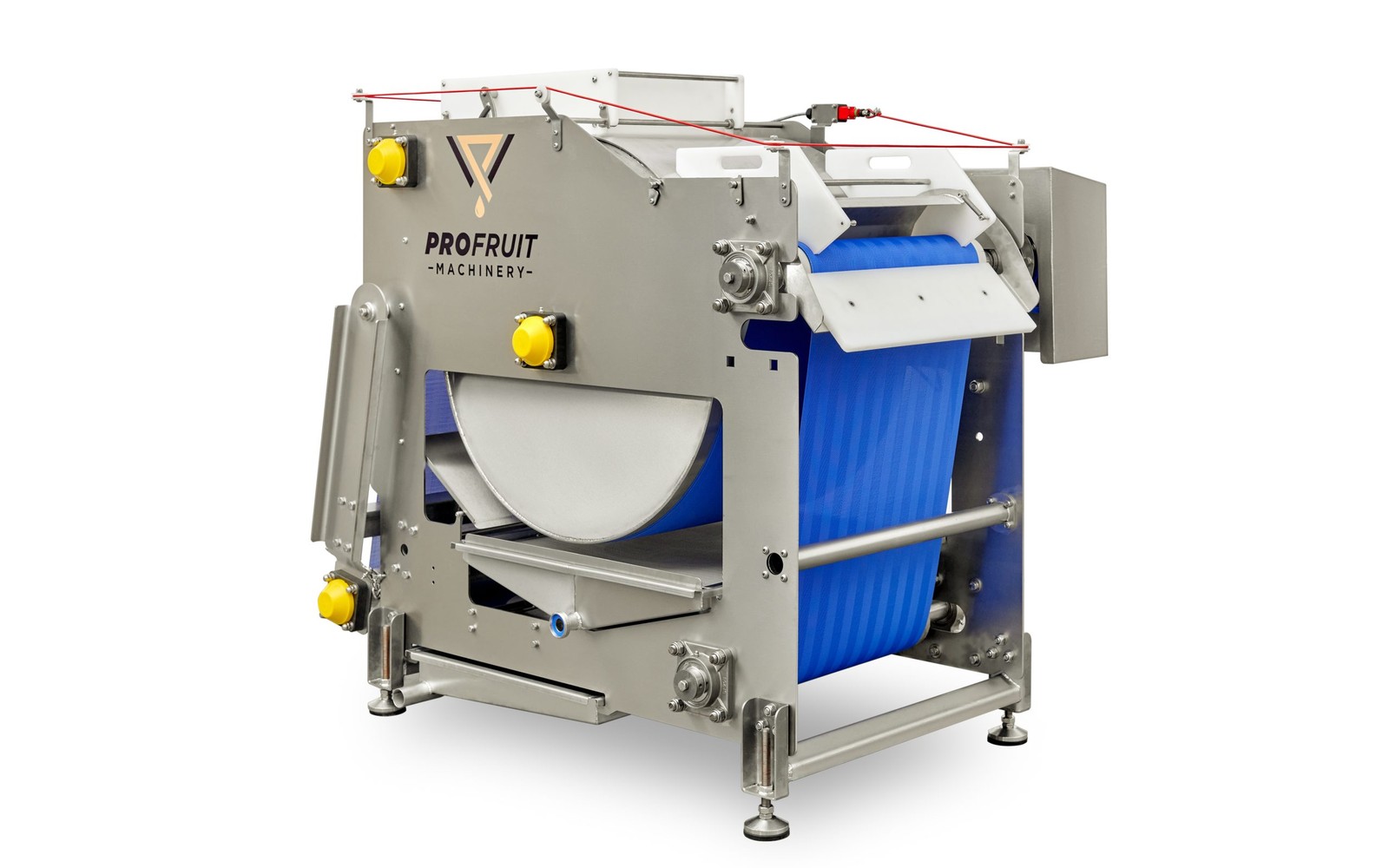
We run cash-out refinances on HPP machines, cold-press lines, HTST pasteurization systems, filling equipment, and full production facilities for juice brands and beverage manufacturers. Minimum deal size is $50,000. The machine must be worth more than its current payoff to generate usable proceeds.
What Happens at Closing
The process mirrors a standard refinance with one additional step. The new lender orders an appraisal or accepts the current market value of the equipment, then advances a loan amount that covers both the old payoff and the cash-out amount you are requesting. The old lender gets paid, their lien releases, and a check (or wire) for the net cash proceeds goes to your business account. You continue making payments to the new lender, now on a larger balance but often at better terms than the original note.
The equity available depends on the current loan-to-value ratio. Lenders typically advance up to 70 to 80 percent of fair market value on a cash-out refinance, though strong borrowers with equipment in excellent condition and solid revenue sometimes qualify for higher advance rates. The difference between what is advanced and what you owe on the original note is your cash-out amount.
Which Equipment Carries the Most Usable Equity
Equipment that holds its value well over time generates the most cash-out potential. In the juicing and beverage production world, the best candidates are:
- HPP machines. Hiperbaric units and comparable high-pressure processors depreciate slowly because demand for the technology is growing faster than the used-equipment supply. A four-year-old Hiperbaric 300 or 420 often carries significant equity if it was purchased new.
- Hydraulic and cold-press systems. Machines from manufacturers with strong secondary markets hold value better than generic or off-brand alternatives. A Goodnature press carries more refinanceable equity than an equivalent unit from a lesser-known manufacturer.
- Full production lines. Filling, capping, labeling, and pasteurization systems bundled as an integrated line carry aggregate value that can support a larger cash-out than any individual component.
- Refrigeration and cold storage. Walk-in refrigeration systems with documented installation and maintenance history hold value in food and beverage facility transactions.
Equipment that depreciates rapidly, has limited secondary-market demand, or has not been maintained well may not support enough value for a cash-out to be meaningful. We will tell you that honestly rather than send you through a process that ends in disappointment.
Operators Who Use Cash-Out Refinances
The juice brand that built up equity in its equipment through consistent payments and now needs growth capital is the classic candidate. So is the founder who bought the press with cash two years ago and now realizes that cash could be working harder in a marketing budget, an additional SKU launch, or a new retail market.
Beverage brands serving grocery and specialty retailers often face large purchase orders that require raw material investment before the payment arrives. A cash-out refinance against existing equipment can fund that inventory cycle without taking on equity investment or running a traditional bank line through a months-long approval process.
Operators evaluating a cash-out refinance against a Sale-Leaseback should know the key difference: a cash-out refinance keeps you as the owner of the equipment while a sale-leaseback transfers title to the lender. If ownership matters (for depreciation, for asset control, or for a future sale of the business), the cash-out refinance is the cleaner structure.
Timeline and Documentation
Cash-out refinances on deals under $400,000 close in five to fifteen business days when documentation is ready. We need the existing payoff statement, an equipment description or appraisal, three months of business bank statements, and basic business details. For larger or more complex deals, the underwriting process can extend to three to four weeks.
Existing lender cooperation is required only to the extent of providing a payoff statement, which they are obligated to furnish. They have no approval right over your decision to refinance. Once we have that payoff number, we can size the transaction precisely and show you the exact cash-out amount alongside the new monthly payment before you commit.
See What Your Equipment Equity Is Worth
Tell us what you have, what you owe on it, and what you are planning to do with the cash. We will run the numbers and show you the advance amount, the new monthly payment, and the net proceeds at closing, no commitment required to see the scenario.
Related Financing Paths
Common Questions on Cash-Out Refinance
Straight answers before you send the equipment file.
How much cash can I pull out in a cash-out refinance?
The cash-out amount equals the new loan amount minus the existing payoff balance. Lenders typically advance up to 70 to 80 percent of the equipment's fair market value. On a $250,000 machine with $80,000 remaining on the original note, you might net $90,000 to $120,000 in cash at closing.
Does pulling cash out of my equipment affect my ownership of it?
No. You remain the title owner throughout. The new lender holds a lien on the equipment as security for the loan, just like the original lender did. Your day-to-day use of the equipment is unchanged.
Can I do a cash-out refinance if the equipment is fully paid off?
Yes, and this is often the scenario that generates the most cash. Equipment with no existing lien allows the full advance amount to come to you as proceeds. The only obligation created at closing is the new loan.
What can I use the cash for?
There are generally no restrictions on how you use the proceeds from an equipment cash-out refinance. Common uses in the beverage space include raw material purchases, additional equipment, marketing campaigns, lease deposits on production space, and payroll during growth phases.
Is the interest on a cash-out refinance deductible?
Interest on business equipment loans is generally deductible as a business expense. The proceeds themselves are not income. The tax treatment depends on how the proceeds are used, so confirm the details with your CPA for your specific situation.
Ready to Finance Cash-Out Refinance?
Send the equipment quote, seller, transaction size, and target timing. The financing desk will review the package and return a clear next step.