Juice Manufacturers
Finance industrial juice extractors, HTST pasteurization, bottling and canning lines, and aseptic fill systems for juice manufacturers. Fast approvals.
Batch yield is everything in juice manufacturing. A production run that loses two percent more juice in the extraction stage costs money on every pallet that ships, and the gap between a well-maintained industrial extractor and an aging one shows up in the yield numbers before it shows up anywhere else. Juice manufacturers who finance equipment strategically, buying capacity ahead of contract commitments, upgrading extraction efficiency before margin erodes, or replacing an aging pasteurizer before it causes a recall event, treat equipment as the revenue lever it actually is.
We finance juice manufacturers from regional packers running a few hundred thousand cases a year to large-format industrial producers. The equipment in this category is specialized, the deal sizes are meaningful, and the lender universe that truly understands the assets is smaller than most manufacturers realize. Our network includes lenders who have financed extraction lines, HPP systems, aseptic fill equipment, and complete juice production facilities.
Core Equipment for Juice Manufacturing
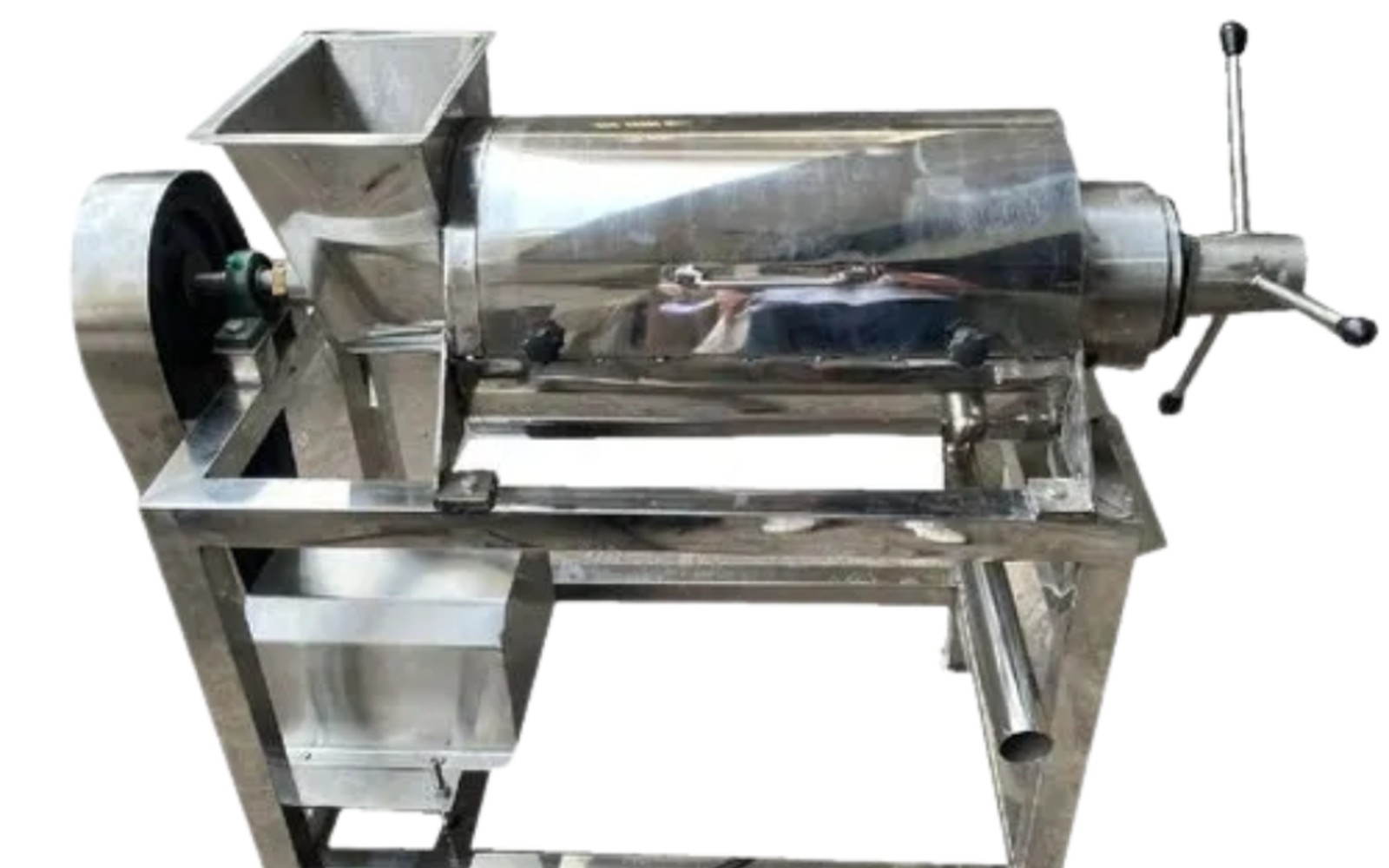
The extraction stage is where yield and quality begin. Industrial juice extractors for citrus, apple, and multi-fruit production run at capacities measured in tons of fruit per hour and carry capital costs ranging from several hundred thousand dollars to over a million for high-capacity continuous systems. Brands like JBT, Bucher Unipektin, and SPX FLOW build equipment in this category that lenders recognize and value correctly as collateral.
After extraction, the processing chain typically includes filtration, blending, and either pasteurization for shelf-stable or refrigerated product, or an aseptic filling system for ultra-long shelf life without refrigeration. The HTST pasteurization system is the workhorse for high-acid juices: it heats product to a precise temperature for a defined hold time, then cools it rapidly before filling. For manufacturers supplying shelf-stable product to foodservice or retail, this system is the quality control centerpiece of the line.
- Industrial juice extractors (citrus, multi-fruit, continuous systems)
- HTST and tunnel pasteurization systems
- Aseptic filling systems for ambient shelf life
- Homogenizers for particle-size consistency
- High-speed bottling and canning lines
- Cold-storage and blast-chilling for chilled products
Transaction Sizes and Terms
Juice manufacturing equipment deals typically start at $150,000 and extend into the multi-million-dollar range for full line installations. For transactions up to approximately $400,000, application-only financing delivers a decision in 24 to 48 hours with no financial statements. Larger transactions require financial documentation, and we recommend putting together a clean package, three years of tax returns, current P&L, balance sheet, and the equipment vendor quote, before we approach the lender market.
Terms for juice manufacturing equipment generally run five to seven years for standard assets like extractors and pasteurizers, with longer terms available for large-format systems where the lender is comfortable with the collateral value at each point in the amortization schedule. Manufacturers who want to optimize cash flow during the ramp-up period after a new line installation often prefer leases with deferred payment starts or step-up payment structures. We can ask for those terms when the business case supports them.
Refinancing and Sale-Leaseback in Juice Manufacturing
Juice manufacturers who financed original equipment at higher rates or in less favorable market conditions sometimes benefit from equipment refinancing when the business is stronger and the credit picture has improved. A rate reduction on a large extraction system or pasteurizer translates to meaningful monthly savings that compound over the remaining term. We pull the current payoff, appraise the equipment value, and compare the refinanced structure against the existing obligation.
For manufacturers who want to fund a capacity expansion without net new debt, a Sale-Leaseback on fully owned production equipment returns equity to the business. The equipment stays in service in the facility; the cash funds the expansion. This structure is particularly useful for family-owned juice manufacturers who built their first facilities with equity and now want to accelerate growth without diluting ownership.
New Versus Used Production Equipment
Used industrial juice processing equipment is a legitimate and active market. An HTST system or continuous extractor with ten years of reliable operation can have significant remaining useful life, and buying used at 40 to 60 cents on the dollar of new cost, then financing that purchase, is a capital-efficient strategy. We finance used equipment purchases from dealers and from private-party sellers, including situations where a manufacturer is buying an asset from a facility that closed or downsized.
The risk in used production equipment is deferred maintenance and unknown service history. We recommend pre-purchase inspections by an independent equipment specialist for any used extraction or pasteurization system. The inspection cost is small relative to the asset price, and a clean inspection report strengthens the lender's view of the collateral.
Juice manufacturers who are growing into a new format, say, adding can packaging to an existing bottle-only facility by purchasing a used canning line, often find that beverage co-packers are sometimes willing to sell older equipment when they upgrade. Those private-party transactions are financeable, and we handle the documentation.
Related Financing Paths
Common Questions on Juice Manufacturers
Straight answers before you send the equipment file.
Can I finance an industrial extractor from a private seller rather than a dealer?
Yes. Private-party equipment purchases are financeable. The key requirements are a clear title, an independent value assessment, and documentation of the sale transaction. We handle private-party deals regularly, including situations where the seller needs the purchase structured cleanly for their own accounting.
We are negotiating a large retail contract that requires us to expand extraction capacity. Can we finance before the contract is signed?
Yes. We can submit an application and work toward a pre-approval while the contract is in negotiation. Having a committed financing letter in hand actually strengthens your negotiating position, because you can commit to a delivery and ramp timeline with confidence.
My juice manufacturing company is profitable but carries a seasonal revenue pattern. How do lenders handle seasonal cash flow?
Lenders familiar with agricultural and beverage production understand seasonal patterns. Showing 12 months of bank statements that include both peak and slow periods, along with a P&L demonstrating annual profitability, is the best way to frame a seasonal business. We can also ask for seasonal payment structures on some transactions.
Can I refinance a pasteurizer that still has three years left on the original loan?
Yes. A refinance pays off the existing loan balance and establishes a new loan with different terms. Whether that makes economic sense depends on the current rate, the remaining balance, and the new rate you qualify for. We can model the comparison before you commit.
Does financing cover the installation crew and startup commissioning for a new extraction line?
Soft costs can sometimes be bundled into a financed transaction, depending on the lender. Installation, commissioning, and startup training are the most commonly included soft costs. Include them in the vendor quote and we will try to incorporate them at the outset rather than leaving them as out-of-pocket items.
Ready to Finance Juice Manufacturers?
Send the equipment quote, seller, transaction size, and target timing. The financing desk will review the package and return a clear next step.