Tetra Pak Financing
Finance Tetra Pak aseptic filling systems and juice packaging equipment. Long-term beverage processing equipment loans and leases for serious producers.
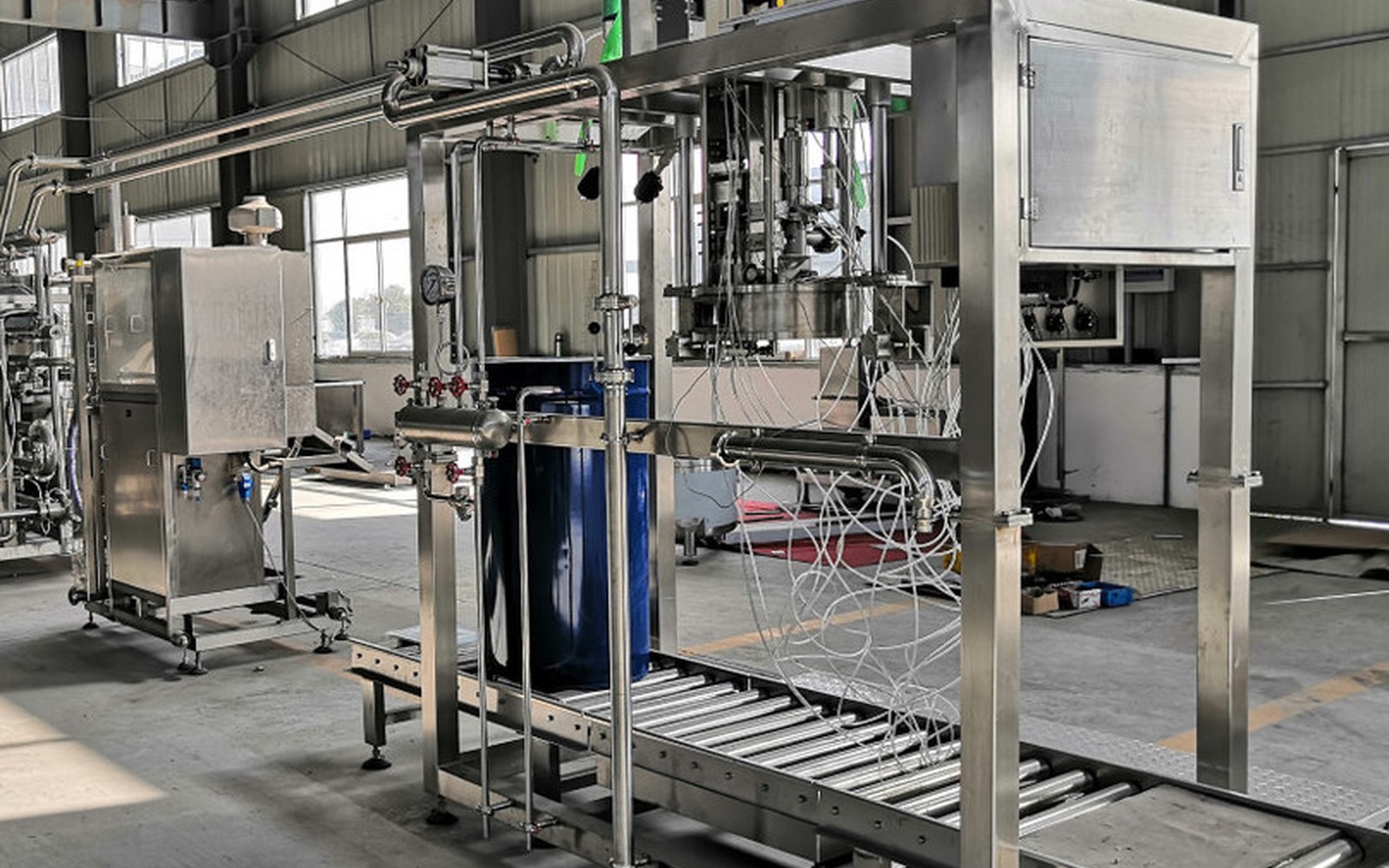
Ambient shelf stability is a distribution superpower, and Tetra Pak aseptic technology is what delivers it. A juice or beverage that does not need refrigeration can sit on a grocery shelf for months, ship without a cold chain, and reach markets that a refrigerated product never could. That distribution advantage is why Tetra Pak cartons appear in juice aisles globally and why Tetra Pak equipment sits at the center of serious juice production facilities for brands that want to go beyond the cold-chain category. The machinery required to fill product into aseptic packaging is not a simple countertop purchase. It is a major capital system, and financing it requires understanding the production economics behind the decision as well as the asset itself.
Tetra Pak is a Swedish-Swiss multinational whose parent entity, Tetra Laval Group, encompasses Tetra Pak, Sidel, and DeLaval. Tetra Pak itself focuses on food processing and packaging, with aseptic filling and carton packaging as its primary product category. Their systems are installed in production facilities processing milk, juice, plant-based beverages, and other liquid foods at industrial scale. The Tetra Pak A3/Flex filler is a flagship system used by juice brands producing for retail distribution at significant volume, capable of handling multiple carton sizes and formats in a single machine configuration. Getting financing in place for a Tetra Pak installation means working with lenders who understand the asset and the business model, and we have those relationships in place.
Why Juice Brands Choose Aseptic and What That Means for Financing
The decision to move into aseptic packaging is not just a packaging choice; it is a market strategy. Brands selling in cold-pressed refrigerated formats are limited to markets they can reach within their product's refrigerated shelf life, which constrains distribution radius and retail channel options. Aseptic juice products can be distributed nationally and internationally through ambient logistics, opening retail channels, foodservice accounts, and export markets that refrigerated formats cannot serve. For a juice brand that has established its product and wants to expand its market reach dramatically, a Tetra Pak aseptic system is the capital investment that enables the next growth phase.
That strategic significance changes the financing conversation. We are not just talking about a piece of equipment; we are talking about a production capability that opens new revenue channels. Lenders who finance Tetra Pak systems understand this context and evaluate deals accordingly. An application that clearly articulates the production logic, the target distribution channels, and the revenue projections that the aseptic capability enables is a much stronger application than one that presents the machine as an isolated capital expense. We help our clients frame the deal in those terms before they apply.
The natural buyer for Tetra Pak equipment is a juice manufacturer or beverage manufacturer that has already proven its product in refrigerated format and is ready to invest in ambient-capable production. The capital commitment is significant, the lead time on Tetra Pak installations is meaningful, and the business case needs to be solid. We work best with clients who have done that analysis before they call us.
Financing a Tetra Pak System
A Tetra Pak filling system for a juice production facility is a multi-million dollar project in most configurations. That scale requires a comprehensive financing approach. We work with specialized lenders who finance food processing and packaging equipment at this tier, and the underwriting process is thorough: business tax returns for two to three years, detailed financial statements, an equipment appraisal or vendor quote, and a production plan that describes how the system's output maps against existing and projected sales channels.
Terms on large Tetra Pak installations can extend to 84 months, which aligns well with the asset's long useful life and the multi-year payback horizon typical for large production capital. An equipment loan structure is most common for owned-facility installations where the operator plans to run the system for its full useful life. A financial lease with a dollar-buyout option is available for situations where the accounting or tax structure benefits from a lease classification. We model both and present the comparison so you can choose with full information.
For facilities that include a Tetra Pak system alongside other processing equipment, including a Pasteurizer, a Homogenizer, and bulk storage tanks, bundling the full equipment list into a single financing deal is both practical and often advantageous. Many of our clients also finance upstream production systems such as a Krones filling and blow-mold line or GEA homogenization and separation equipment alongside the Tetra Pak system under the same deal. One approval, one payment, and potentially better aggregate terms than financing each system separately with different vendors or lenders. We manage that process from a single point of contact so you are not coordinating multiple simultaneous financing conversations while also managing a complex installation project.
Application Requirements for Tetra Pak Deals
These transactions require thorough documentation from the start. Incomplete applications at this scale slow down underwriting significantly, so getting organized before applying saves meaningful time. What we typically need includes: signed purchase agreement or detailed vendor quote for the Tetra Pak system, recent business tax filings, the most recent year-end financial statements, three months of business bank statements, a corporate or LLC operating agreement, and personal financial statements and guarantees from owners with 20 percent or more ownership. For newer businesses or complex ownership structures, additional documentation may be required. We will let you know exactly what is needed before the process starts rather than coming back to you with incremental requests that delay the timeline.
B and C credit situations are considered for Tetra Pak deals, but the complexity and size of these transactions mean that credit challenges require additional supporting structure, such as a larger down payment, cross-collateralization, or a more experienced co-signer. We have closed deals in challenging credit situations on large equipment, and the right approach depends on the specific credit profile and what flexibility is available.
Related Financing Paths
Common Questions on Tetra Pak Financing
Straight answers before you send the equipment file.
How does a Tetra Pak aseptic system differ from a standard filling line for financing purposes?
Aseptic systems involve stricter validation requirements, more complex commissioning, and higher installation complexity than standard filling lines. These factors affect what costs can be included in the financed amount and how lenders assess the system's value and risk. Lenders familiar with aseptic processing understand the validation process and treat the equipment differently than they would a simple rotary filler. We place Tetra Pak deals with lenders who know the category.
Our brand has been operating for three years but just reached the scale where a Tetra Pak system makes sense. Will three years be enough history?
Three years of operating history is a solid foundation for a large equipment deal, particularly if revenue has been growing and the financials are clean. The most important thing at three years is that the most recent twelve months of revenue clearly justify the production capacity the Tetra Pak system provides. A brand growing into the need for aseptic capacity is exactly the kind of deal these lenders are designed to fund.
Is it possible to include Tetra Pak packaging materials in the financing?
Equipment financing covers capital equipment, not consumable packaging materials. The Tetra Pak system itself, installation costs up to a cap, and integrated ancillary equipment are typically financeable. Ongoing packaging material purchases are a working capital expense that would be handled through a separate working capital line or out of operating cash flow.
Can I use an existing paid-off asset as collateral to help fund a Tetra Pak purchase?
Cross-collateralization using an existing paid-off asset can strengthen a Tetra Pak financing application and potentially open up better terms. If you own processing equipment, real estate, or other meaningful assets, using them to support the new financing is a legitimate strategy. We can explore this as part of the overall deal structure when it is relevant to your situation.
Ready to Finance Tetra Pak Financing?
Send the equipment quote, seller, transaction size, and target timing. The financing desk will review the package and return a clear next step.