Cold-Press Juice Brands
Finance hydraulic presses, HPP machines, cold-fill bottling lines, and refrigeration for cold-press juice brands. $50k minimum, closing timed to the beverage-equipment package.
Getting a cold-press brand onto a second retail shelf means the first shelf has to be moving product fast enough to justify the restock order. The equipment behind that velocity, the hydraulic press, the cold-fill bottling line, the HPP system or HPP tolling arrangement, the refrigerated storage, is what determines whether you can hit the case count a buyer wants and hold the shelf life a retailer demands. We finance the production equipment that turns a recipe into a scaled cold-press brand, and we work with founders at every stage from first commercial press to multi-line production facilities.
Cold-press juice brands occupy an interesting financing niche. The equipment is significant in cost. A commercial hydraulic press juicer from a brand like Goodnature or Bucher can run from $30,000 for a smaller X-1 configuration up to $500,000 or more for full industrial presses. HPP machines capable of extending shelf life for retail distribution run from roughly $500,000 to well over $1 million. The capital need is real, and it rarely fits inside a bank's standard food-and-beverage lending box.
Production Equipment for Cold-Press Brands
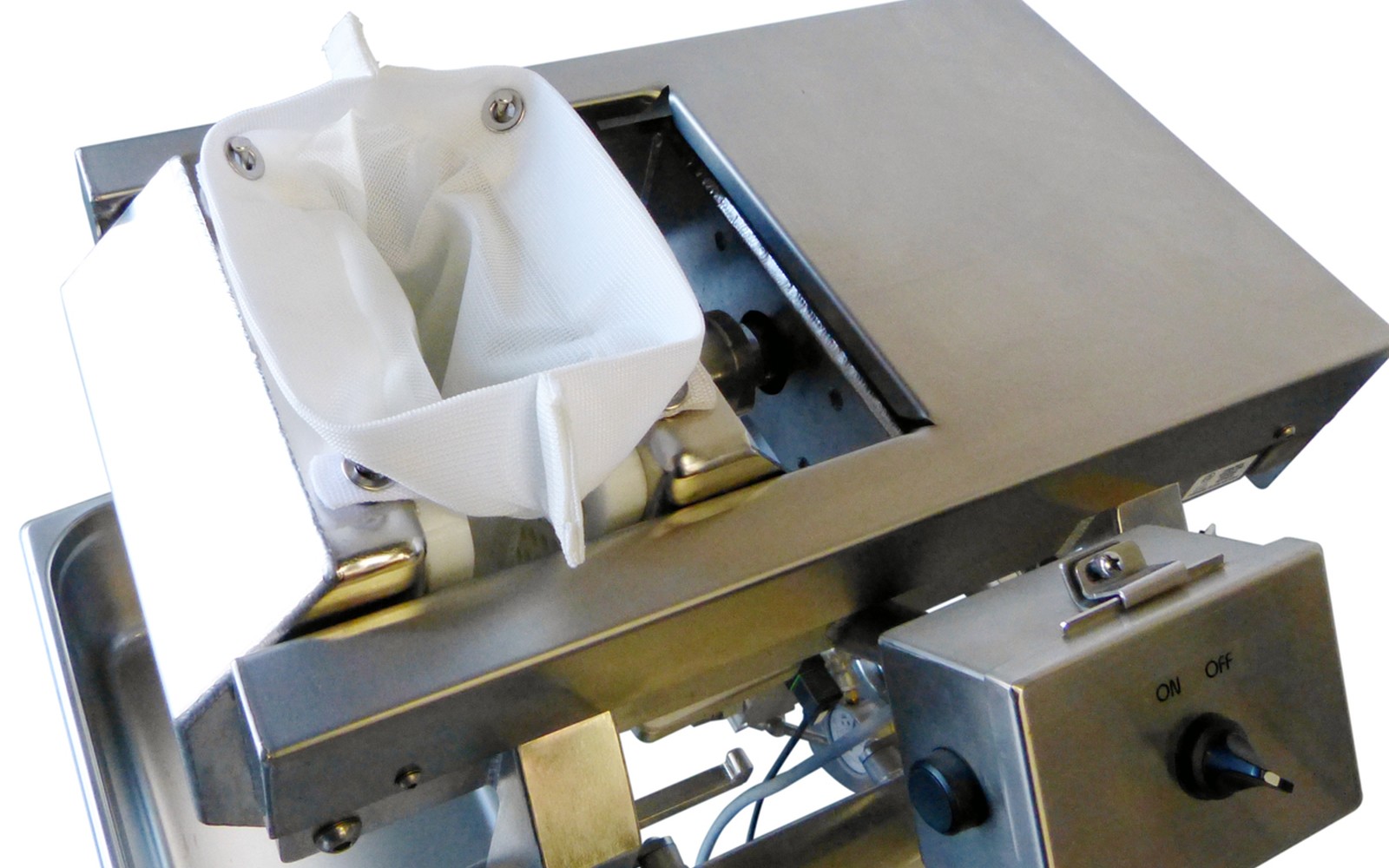
The core asset for any cold-press brand is the press itself. Commercial cold-press juicers operating on a rack-and-cloth or hydraulic system extract juice without the heat that centrifugal machines generate, preserving enzymes and extending natural shelf life. For brands targeting natural-foods retailers, that shelf life difference matters. For brands targeting convenience and mainstream grocery, adding a high-pressure processing machine extends refrigerated shelf life to 30 to 45 days by using cold water pressure rather than heat, which lets a brand reach distribution channels that a raw cold-press product cannot serve.
The rest of the production line, including the fruit and vegetable washing system, the bottle filling machine, capping, labeling, and refrigeration, all need to be sized and sequenced to match the press capacity. A mismatch between press throughput and filling line speed creates bottlenecks that cost money every production day. We finance the full line as a package, which keeps the capital conversation simple and ensures the funded equipment actually works together at the right scale.
- Hydraulic and rack-and-cloth cold-press juicers
- HPP machines for extended shelf-life production
- Cold-fill bottle filling and capping lines
- Labeling and packaging equipment
- Walk-in refrigeration and blast chilling
- Fruit and vegetable washing and prep lines
Refinancing and Sale-Leaseback for Cold-Press Brands
Early-stage cold-press brands sometimes purchase their first press with equity from a friends-and-family round or personal savings, getting operations running before they have the revenue history to qualify for traditional financing. Once the brand has three to six months of sales, that press equity can be unlocked through a Sale-Leaseback. The press stays in the facility and keeps running; the capital returns to the operating account, where it funds produce purchasing, packaging inventory, or the next piece of production equipment.
For brands that have been running for a year or more on original equipment and now need to upgrade to a higher-capacity press, a equipment refinancing on the existing asset can cover a portion of the new purchase. We have structured transactions where a brand refinanced an X-1 press to partially fund a step up to an M-1 or larger industrial system, keeping the capital requirement for the upgrade manageable.
Timeline and Process
For transactions under approximately $400,000, application-only financing requires a one-page application and typically no financial statements. Decisions come back in 24 to 48 hours; closing timed to the beverage-equipment package. Larger transactions, which are common in cold-press production given equipment costs, require financial statements and may involve two to four weeks for full underwriting. We submit to multiple lenders simultaneously to find the structure that fits, rather than going to one bank and waiting.
Cold-press brands that are scaling quickly sometimes need equipment that ships on a timeline that does not align neatly with a lender's review window. We can often issue an approval letter and a commitment to fund early in the process, so you can order the press and confirm delivery while the closing paperwork is in motion.
Who This Is For
We work with cold-press juice brands at several stages. Early-stage founders who have proven the recipe and are scaling from a shared commercial kitchen into their own production facility represent a common deal type: the equipment list is real, the brand has some revenue, and the capital need is landing between $80k and $200k. Mid-stage brands adding HPP capability to extend shelf life and crack mainstream grocery distribution are another strong fit, as the HPP asset itself is significant and the revenue story supports the investment. Established brands expanding into a second production facility or adding a juice production line for a new SKU category come to us as well, often needing a faster and more flexible process than their existing bank can offer.
Co-packing relationships also shape some cold-press brand financing decisions. Brands that are growing too fast for a co-packer to handle but not yet ready to own a full facility sometimes start with one or two key assets, the press, the HPP, and the cold fill line, leasing production space around them. We can finance those specific assets for a brand in that transitional position.
Related Financing Paths
Common Questions on Cold-Press Juice Brands
Straight answers before you send the equipment file.
Can I finance an HPP machine as a startup cold-press brand?
HPP machines are large-ticket assets, often $500,000 to over $1 million, which puts them in a tier where lenders want financial statements and business performance history. Brands with 12 or more months of revenue have the strongest path. Brands earlier than that might consider HPP tolling arrangements while building the revenue track record needed to finance the machine outright.
I bought my first hydraulic press with personal savings. Can I pull that equity out?
Yes. A sale-leaseback lets you sell the press to a lender at appraised value and lease it back, putting cash in the business while the press stays in your facility and keeps running. The equity you put in comes back as working capital.
Does financing cover the full production line or just one machine?
We can finance a full production line as a single package, including the press, filling line, capping, labeling, and refrigeration, under one transaction. Bundling the full capital need into one structure is often cleaner than financing each piece separately.
My cold-press brand has strong retail sales but my business credit is still thin. Is that a problem?
Not necessarily. Lenders in our network look at the full picture: revenue in the bank, the strength of the retail relationships, the owner's personal credit, and the equipment value. Strong revenue with thin business credit is a common profile for growing brands and we place deals like that regularly.
How do I compare a lease versus a loan for a large press purchase?
A loan builds ownership from day one and gives you a clear path to owning the asset outright. A lease preserves monthly cash flow and can offer a lower payment, with a buyout option at the end of the term. For capital-intensive assets like hydraulic presses, the right answer depends on your tax situation, your cash flow pattern, and how long you plan to run that specific press.
Ready to Finance Cold-Press Juice Brands?
Send the equipment quote, seller, transaction size, and target timing. The financing desk will review the package and return a clear next step.