FMV vs. $1 Buyout Lease
Understand the real difference between a fair market value lease and a $1 buyout lease for cold-press juicers, HPP machines, and bottling lines. We help.
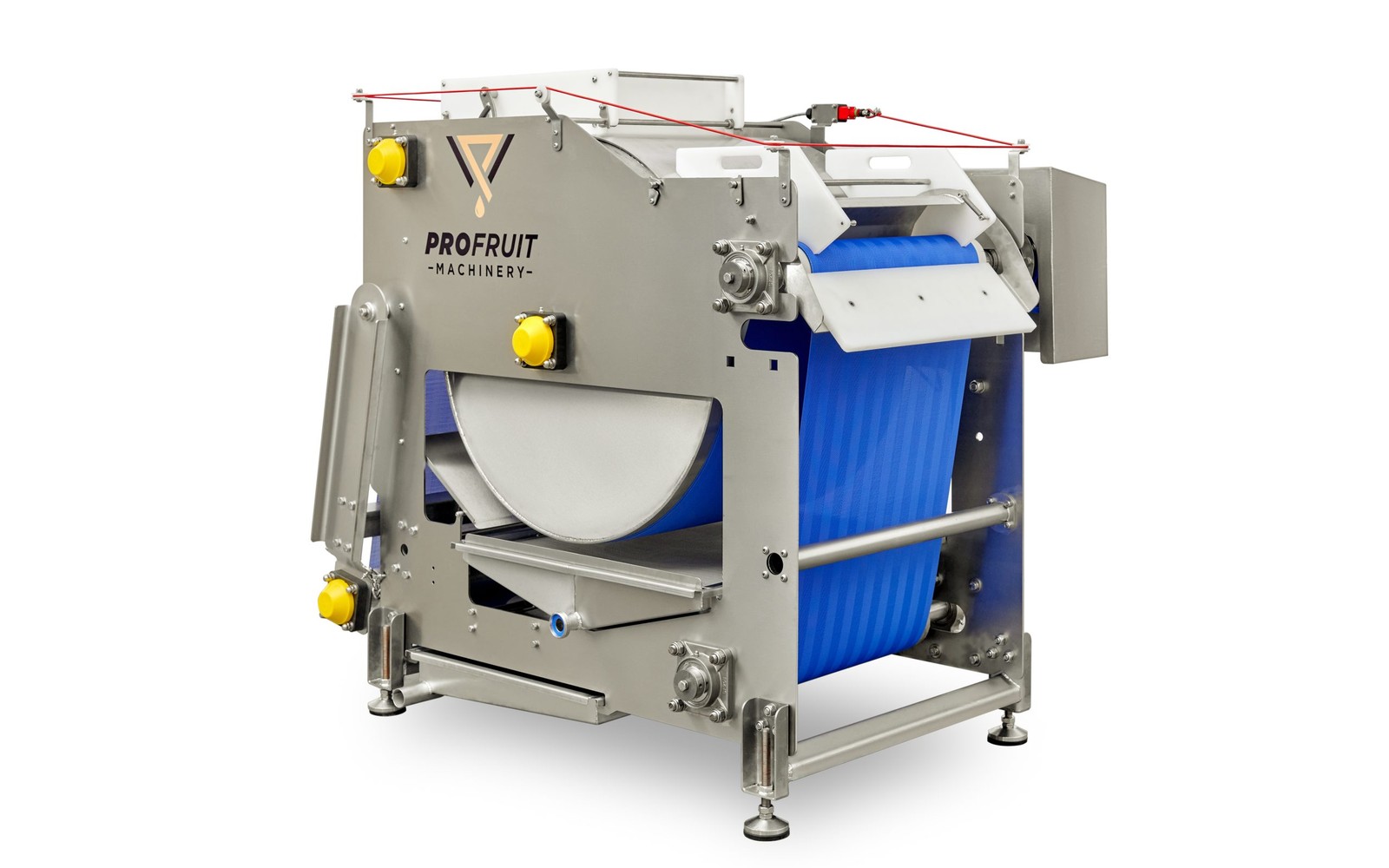
Two batches, same press, very different lease structure. The equipment sitting on your floor produces the same yield whether you signed a fair market value lease or a $1 buyout, but what happens at the end of the term is completely different, and the monthly payment reflects that gap. Beverage founders often arrive at this question when they are pricing out a commercial cold-press juicer or a full juice production line and the lender presents two payment options that look deceptively similar on the surface.
This page breaks down how both structures actually work, who each one fits, and what to watch for in the fine print so your next lease matches your actual exit plan.
How Each Structure Works
A fair market value (FMV) lease is essentially a rental with a return or buy option. The lender retains ownership throughout the term and prices your monthly payment assuming they will get the equipment back (or sell it at fair market value) when the term ends. Because the lender carries the residual risk, your payment is lower than it would be on a loan or a $1 buyout. At end of term you have three choices: return the equipment, renew the lease, or buy it at what the market says it is worth on that day. For technology-heavy gear like high-pressure processing machines that depreciate fast, FMV structures give you a clean way to upgrade instead of owning outdated iron.
A $1 buyout lease (also called a capital lease or finance lease) is functionally a loan dressed in lease clothing. You pay down essentially the full purchase price plus interest over the term, and for a nominal $1 at the end you own the machine outright. Payments are higher than FMV because the lender recovers the entire cost during the term. The machine shows up on your balance sheet as an asset (and the corresponding debt as a liability), and you claim depreciation from day one. For core production equipment you plan to run for ten or twelve years, a $1 buyout often makes more sense than paying a below-cost FMV payment and then buying the machine anyway at whatever price the lender sets.
Payment, Tax, and Balance Sheet Differences
The payment gap between FMV and $1 buyout depends on the residual the lender builds in. On a piece of equipment with strong resale value, that residual might be 15-20 percent of original cost, which is meaningful on a $120,000 cold-press setup. FMV payments can run noticeably lower per month, and for a brand in a growth phase where cash flow into new SKUs matters, that difference funds real shelf space.
Tax treatment splits the two structures cleanly. Under a true operating lease (FMV), your monthly payment is generally a fully deductible operating expense. Under a $1 buyout (capital lease), you own the asset and instead claim depreciation, potentially accelerated under Section 179 or bonus depreciation rules. If your accountant is chasing a large depreciation event in a high-revenue year, the $1 buyout structure gives you that tool. If you want the simplest possible expense treatment and the flexibility to hand the equipment back, FMV fits better.
Balance sheet impact matters for brands that plan to raise capital or seek bank lines. A $1 buyout adds both an asset and a liability. An FMV operating lease (pre-ASC 842 treatment) kept the obligation off the balance sheet entirely, though current accounting standards have changed how operating leases are disclosed. Talk to your CPA before choosing purely for balance-sheet reasons.
Which Structure Fits Your Batch Operation
FMV leases work well when the equipment has a meaningful resale market, when you expect technology to shift before the machine wears out, or when lower monthly payments directly fund growth activities. A juice brand expanding from retail into co-packing relationships often needs every cash-flow dollar pointed at new accounts, and a lower FMV payment leaves more room. The same logic applies when you are equipping a second production facility and are not yet sure which location will carry the long-term load.
$1 buyout leases fit best when the equipment is foundational and you are confident you will run it past the finance term. A Bucher Unipektin press in a juice production setting commonly runs for fifteen or more years with proper maintenance, so paying a higher monthly note to own it outright makes practical sense. The same is true for walk-in refrigeration, CIP systems, and other utility infrastructure that does not become obsolete and is expensive to replace. Brands that plan a sale-leaseback later may also prefer the $1 buyout path because you must own the asset cleanly to monetize it through a sale-leaseback transaction.
- FMV: lower payment, return or upgrade at term, operating expense treatment, no ownership at end unless you buy
- $1 buyout: full cost paid over term, ownership for $1 at end, depreciation available, asset and liability on balance sheet
- Decide by your exit intent, not by which payment number looks better on a proposal sheet
What Beverage Equipment Markets Mean for Residuals
Lenders price FMV residuals based on their confidence that the equipment will have a buyer at term end. For commodity beverage machinery, used-equipment markets are fairly liquid, and lenders can price residuals with some confidence. That confidence produces a lower FMV payment for you. For highly specialized or brand-specific configurations, residuals get discounted because resale is narrower, which shrinks the FMV payment advantage over a $1 buyout.
Cold-press juicers from established manufacturers hold value reasonably well in the used market because the beverage segment has been growing and second buyers are plentiful. HPP machines are a different story: they are expensive to move and require specialized installation, so residuals on HPP are conservatively priced and the FMV payment gap over a $1 buyout shrinks. For some HPP configurations, the two options converge closely enough that $1 buyout wins on simplicity alone.
Related Financing Paths Worth Considering
If ownership is the goal but cash outlay at term feels uncertain, a standard equipment loan achieves the same result as a $1 buyout lease with a cleaner legal structure. The loan puts title in your name from funding day one rather than requiring a symbolic buyout step. For brands that prefer the lease format for vendor or accounting reasons, $1 buyout and the loan are economically nearly identical over a full term.
For operators buying a used press or a second-hand bottling line, used equipment financing can sit under either a $1 buyout lease or a standard loan. The used-equipment path opens access to machinery at one-third to one-half the new-equipment cost, which changes the math on which lease structure makes sense. Lower purchase price means the FMV payment advantage (in raw dollars) shrinks further. Applications up to roughly $400,000 can often move on an application-only basis, meaning three months of bank statements gets you most of the way to a credit decision without a full financial package.
Ready to Choose the Right Lease Structure?
We work with juice brands, production facilities, and co-packers who need a clear read on which lease structure fits their batch plan and their balance sheet. Share what you are financing and what you want to happen at end of term, and we will model both options so the comparison is concrete, not theoretical. Our minimum is $50,000 and we look at B and C credit alongside stronger profiles. Most funded deals close in about one to two weeks from complete application.
Call or apply online and we will build a side-by-side comparison from your actual equipment quote.
Related Financing Paths
Common Questions on FMV vs. $1 Buyout Lease
Straight answers before you send the equipment file.
Can I switch from FMV to $1 buyout mid-lease if I decide I want to own the machine?
Most lenders do not convert a live FMV lease mid-stream. The practical path is to buy out the residual at whatever the lease agreement specifies, which effectively pays off the remaining obligation and transfers title. Budget for this early if ownership feels likely, because the mid-lease buyout can be priced higher than you would have paid on a $1 buyout from the start.
Does it matter whether I call it a lease or a loan on my business credit application?
The label matters less than the economic structure. A $1 buyout lease is a capital lease and behaves like a loan for credit and accounting purposes. FMV leases that qualify as operating leases are disclosed differently. When filling out bank applications, describe the obligation accurately rather than using the name that sounds better.
My press is almost paid off on a $1 buyout. Can I refinance or pull cash out before the final payment?
Yes. Once you own substantial equity in the machine, a cash-out refinance or sale-leaseback puts that equity to work. The machine serves as collateral, and we lend against its current market value. This works particularly well on equipment that has held value, like Goodnature or Bucher presses that are well-maintained and in production.
What happens if the fair market value at end of term is higher than I expected?
FMV leases typically give you the option to buy at the then-current fair market value, which is determined by the lender or a third-party appraiser at the time of the purchase option. If the market moved up, the purchase price goes up with it. Read the FMV definition clause before signing so you know who sets the value and how.
Are there juice-production situations where neither FMV nor $1 buyout is the best path?
Yes. Brands that already own paid-off equipment and need working capital often do better with a sale-leaseback, which converts that asset into cash and then leases it back. Startups with limited history sometimes do better with application-only structures that skip traditional credit underwriting. And if the equipment is under $50,000, we typically point operators toward other routes since our programs start at that minimum.
Ready to Finance FMV vs. $1 Buyout Lease?
Send the equipment quote, seller, transaction size, and target timing. The financing desk will review the package and return a clear next step.