

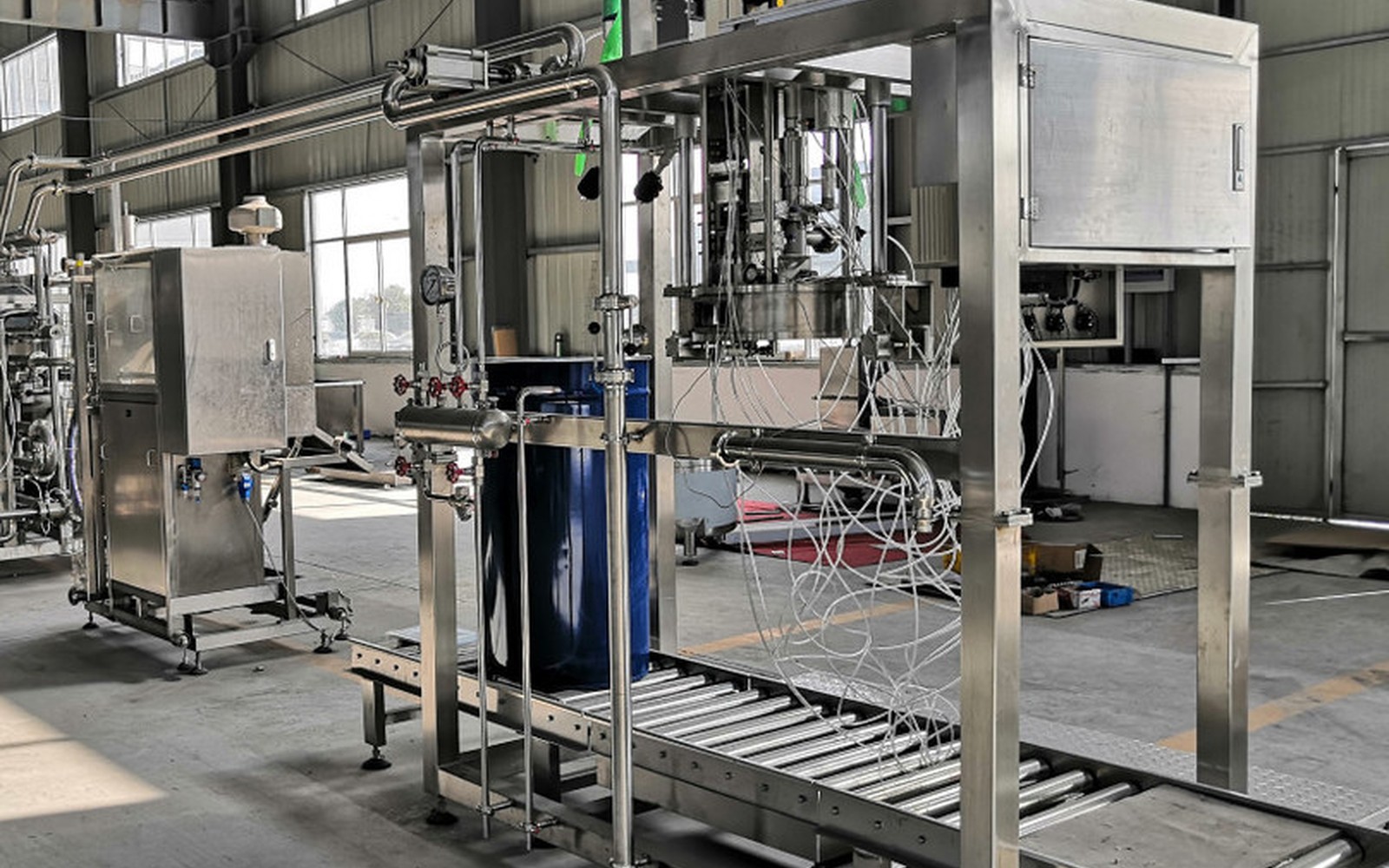
High-Pressure Processing (HPP) Machine
Finance a high-pressure processing machine for cold-pressed juice, raw food, or beverage production. Flexible terms, fast approvals, B/C credit considered.
High-pressure processing unlocks shelf life that thermal pasteurization cannot match without killing the nutritional profile that makes cold-pressed juice worth the premium. An HPP machine subjects sealed, packaged product to water pressure of 87,000 psi (600 MPa) for 60 to 180 seconds, destroying pathogenic bacteria and spoilage organisms without heat. The result is a product with a refrigerated shelf life of 30 to 120 days depending on formulation, while retaining the vitamins, enzymes, and color that survive cold pressing and disappear through heat treatment. For any brand with a retail or food-service distribution account that requires predictable shelf life, HPP is not optional. It is what makes the retail program possible.
HPP machines are among the most capital-intensive assets in the beverage industry. New systems from Hiperbaric, the dominant manufacturer, start around $700,000 for their smallest commercial units and exceed $3 million for high-throughput configurations. Used systems trade at meaningful discounts, and HPP tolling arrangements offer an alternative for brands not ready to own the machine. Wherever a brand sits on that spectrum, the capital conversation is a significant one, and our program finances HPP equipment for buyers at every stage of the decision.
HPP Machine Specs and Configuration
Hiperbaric machines are the benchmark in commercial HPP. Their product line runs from the Hiperbaric 55 for pilot and small-batch production through the Hiperbaric 300, 420, and 525, which are rated for vessel volumes of 300, 420, and 525 liters respectively. Throughput in an HPP machine is a function of vessel volume, cycle time, and loading/unloading efficiency. A Hiperbaric 525 operating on 90-second cycle times with optimized loading can process several thousand liters of product per hour. That throughput determines how many production days the machine is working versus sitting idle, and idle time is the enemy of the investment thesis.
HPP machines require 480V three-phase electrical service, significant floor-space clearance, and a water treatment system for the pressurized water medium. These installation requirements add to the total project cost. We finance the machine itself and can work with installation costs as part of a broader deal structure. The baseline financing conversation starts with the Hiperbaric or comparable machine as the core asset, and installation, electrical, and ancillary costs are layered in based on what is included in the vendor's quote.
Used HPP machines from Hiperbaric and other manufacturers including Avure (now owned by JBT) and Multivac trade in an active secondary market. Hiperbaric machines are particularly sought after because Hiperbaric also offers certified refurbishment, which gives a used unit near-new reliability backing. A certified refurbished Hiperbaric 300 can be a cost-effective path for a brand that does not yet have the volume to justify a new 525.
Financing an HPP Machine Purchase
HPP machine acquisitions almost always exceed $400,000, placing them above the application-only threshold. A full financing review for an HPP deal includes three months of business bank statements, business tax returns, and the equipment vendor quote or purchase agreement. Given the capital size, term lengths typically run 60 to 84 months, and lenders with beverage equipment expertise are the most appropriate fit because they understand the business model that justifies the asset cost.
For buyers purchasing a new Hiperbaric directly, the financing process runs parallel to the manufacturer's lead time for delivery, which typically runs six to twelve months. That parallel timeline means the loan is committed before the machine ships, but the payment structure can be drafted to defer the first payment until delivery and commissioning. Confirming that timeline with the lender during the application is one of the first questions worth asking.
The Section 179 deduction and bonus depreciation provisions may allow significant tax deductions in the year the HPP machine is placed in service, which meaningfully affects the effective net cost of the acquisition for tax-paying entities. We are not tax advisors, but we flag this at every HPP deal discussion because the tax impact can change the math on purchasing versus using an HPP tolling service.
HPP Tolling vs. Owning Your Own Machine
Before committing to HPP machine ownership, many brands run product through an HPP tolling system, paying a per-unit tolling fee to a tolling facility that runs the product on their machine. Tolling works well at lower volumes, typically below two to five million units per year depending on the tolling rate, but the per-unit economics invert as volume grows. Brands that exceed the tolling break-even point, and can demonstrate the consistent volume needed to justify machine ownership, are the natural candidates for HPP machine financing.
The transition from tolling to owning an HPP machine is one of the most common trajectories we see among cold-press brands in growth mode. The business case writes itself: take the monthly tolling cost, multiply by twelve, and compare it to the annual loan payment on a machine sized for current and near-term volume. When those numbers intersect favorably, ownership is the right call, and financing is how that ownership becomes accessible without a single-event capital drain.
Related routes worth a look include Used Equipment Financing, Bonus Depreciation Financing, FMV vs. $1 Buyout Lease, and TRAC Lease.
Related Financing Paths
Common Questions on High-Pressure Processing (HPP) Machine
Straight answers before you send the equipment file.
Can I get financing on a used Hiperbaric that has been refurbished by the manufacturer?
Yes. Manufacturer-certified refurbished HPP machines are well-regarded by lenders because the refurbishment program provides documented condition, warranty coverage, and a known service history. A certified refurbished Hiperbaric often qualifies for financing terms close to a new machine because the risk profile is similar.
We use HPP tolling now and want to buy our own machine. Does our tolling invoice history help the application?
Tolling invoices are useful supporting documents because they quantify your current volume and demonstrate that you are already generating HPP-processed product at scale. They help the lender see the revenue base the machine will serve. Include them with your bank statements and application.
Our HPP machine will process juice for our brand and for other brands we will toll for. Does that affect the financing?
Operating an HPP machine as a tolling service alongside your own brand production is a legitimate business model and does not disqualify the deal. Lenders may want to understand the revenue mix and whether external tolling contracts exist, but the multi-user model can actually strengthen the cash-flow case for the machine.
What happens if we cannot make the payments during a slow production period?
We cannot guarantee payment relief, but we encourage buyers to structure deals with payment levels that leave operating margin even in a slower month. Building in a debt service coverage cushion is part of what we discuss during deal structuring. Some lenders offer seasonal payment modifications on a case-by-case basis for established relationships.
Can we refinance our HPP machine if rates improve in two years?
Yes. HPP machines can be refinanced if the machine has equity and the business qualifies for new terms. A refinance at lower rates reduces monthly cost. A cash-out refinance extracts equity if the machine has paid down meaningfully or appreciated in value. Both are options we can facilitate through our financing team.
Ready to Finance High-Pressure Processing (HPP) Machine?
Send the equipment quote, seller, transaction size, and target timing. The financing desk will review the package and return a clear next step.