Juice Production Line
Finance a complete juice production line with flexible terms and fast approvals. New and used systems, B/C credit considered. From $50k.
Getting a SKU onto a retailer's shelf and then keeping it there at volume requires more than a good recipe and a press. A juice production line is the integrated set of equipment that takes raw produce in one end and sends finished, filled, capped, and labeled bottles or cartons out the other. The line typically includes washing and prep, extraction or pressing, clarification or filtration, blending and standardization, pasteurization or high-pressure processing, filling, capping, labeling, and cold-chain packaging. Each station is a capital asset on its own, and the combined investment for a mid-size commercial line can easily reach $500,000 to several million dollars.
Most growing juice brands do not start with a complete line. They start with the extraction piece, add pasteurization, then fill on a contract basis at a co-packer, then bring filling in-house as volume justifies the capital. That staged growth pattern is where equipment financing does its real work. Each phase of the buildout can be financed on its own timeline, with payments tied to the revenue that the new capacity generates rather than a lump capital event.
Line Components and How Financing Covers Them
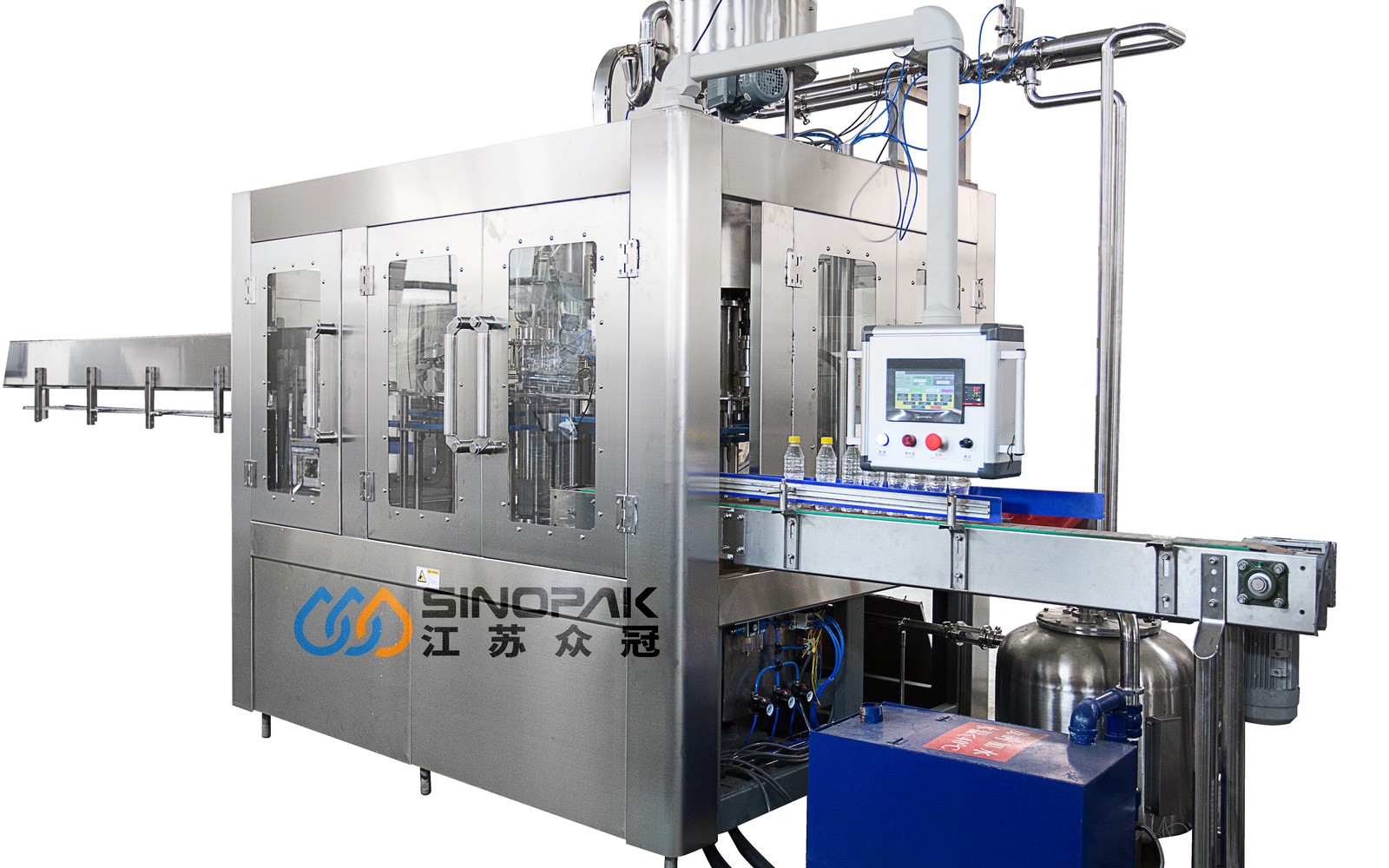
A complete juice production line involves equipment from several categories that we finance individually or as a bundled package. The extraction stage includes industrial presses or extractors. The thermal or pressure processing stage includes HTST pasteurization systems or high-pressure processing machines. Filling is handled by inline, rotary, or aseptic filling systems depending on the package format and product. After filling, the line moves through capping, labeling, case packing, and cold-chain storage.
When a buyer is purchasing multiple stations at once, we structure the deal as a single comprehensive equipment loan or lease covering the full line. This simplifies the financing into one payment and one term rather than managing separate loan agreements for each machine. A full production line financed as a single deal also qualifies for larger transaction treatment, which can mean better rates and longer terms than any individual component purchase would support on its own.
Lenders familiar with the beverage manufacturing space, including those in our network who work with beverage manufacturers, understand that a juice production line is not a collection of unrelated machines. The value is in the system as a whole, and a functioning integrated line is worth more on the secondary market than its components sold separately, which supports a strong advance rate on financing.
Structuring Financing for a Multi-Stage Line
Multi-machine production line financing typically involves a master equipment financing agreement that can accommodate either a single-phase purchase or a staged rollout over 12 to 24 months. In a staged rollout, the first tranche covers the extraction and pressing equipment, with subsequent tranches added for filling, pasteurization, or packaging as each phase is ready for purchase. Each tranche operates on its own payment structure but falls under the master agreement.
For buyers purchasing a complete line from a single vendor or from an auction or plant liquidation, a single lump-sum loan covering all equipment is the cleaner path. The documentation requirements scale with deal size: application-only for deals under approximately $400,000, bank statements plus application for larger transactions, and full financial review for the largest line acquisitions. Terms on production line financing typically run 48 to 72 months, with 60 months being common on complex multi-station deals.
An equipment lease structure works well for production line buyers who need to keep capital free for working-capital demands, particularly during production ramp-up when inventory and ingredient costs are high before retail revenue catches up. The lease preserves cash while the line runs and generates the revenue that eventually makes ownership the obvious next step.
Related Equipment and Supplemental Financing
A juice production line rarely stands alone. The equipment that flanks it is often financed in parallel or added shortly after the core line is operational. Walk-in refrigeration systems for finished goods storage, conveyor systems for moving product between stations, and CIP systems for sanitation between runs are common companion purchases. We finance these as standalone transactions or bundle them into the line deal when purchased together.
For brands using beverage co-packers now and planning to bring production in-house, the transition financing is a common structure. The brand finances the new production line against the cost reduction it realizes by no longer paying co-packer margin. That payback argument, properly documented, can be compelling to a lender evaluating the deal's cash-flow support.
Related Financing Paths
Common Questions on Juice Production Line
Straight answers before you send the equipment file.
I am buying a production line from a plant that is closing. Can I finance used line equipment purchased at auction?
Yes. Used production line equipment purchased at auction or from a plant liquidation is eligible for financing. We will need a detailed equipment list with make, model, serial number, and condition notes for each piece. The total deal value and the composition of the equipment will drive the advance rate and terms.
We need the line up and running before we can show revenue. How do lenders think about that situation?
Pre-revenue production line financing is handled through startup business financing when the company itself is new, or through the company's existing operating history when it is an established brand adding in-house production capacity. An existing brand with co-packer contracts, sales history, and a clear path from those numbers to in-house production presents a more complete credit story than a true startup.
Can we finance the line equipment and a working-capital reserve in the same deal?
Equipment financing is specific to the physical assets. Working capital is a separate product. However, some lenders offer both through coordinated programs, and we can introduce you to lenders who combine equipment and working-capital facilities when deal size and credit support both. Alternatively, a sale-leaseback on existing equipment can generate working capital alongside the new line financing.
We have some equipment already and want to add stations. Does the existing equipment help our financing application?
Existing paid-off equipment is an asset on your balance sheet, which strengthens the overall credit profile. It can also be used as additional collateral in some structures, or converted to working capital via a sale-leaseback to help fund the new station purchases. Owning production equipment outright signals operational maturity, which lenders view positively.
Ready to Finance Juice Production Line?
Send the equipment quote, seller, transaction size, and target timing. The financing desk will review the package and return a clear next step.