Equipment Loan
Finance your cold press, bottling line, or HPP machine with an equipment loan. Own your gear outright, build equity, and deduct depreciation. Starts at $50k.
A batch that runs out of capacity before it runs out of demand is a revenue problem disguised as a production problem. An equipment loan hands you ownership of the machine the moment the deal closes, so you are building equity in the press, the filler, or the HPP unit while it earns every day. That ownership matters: you can depreciate the asset, refinance later if you need liquidity, and never hand the machine back when the term ends.
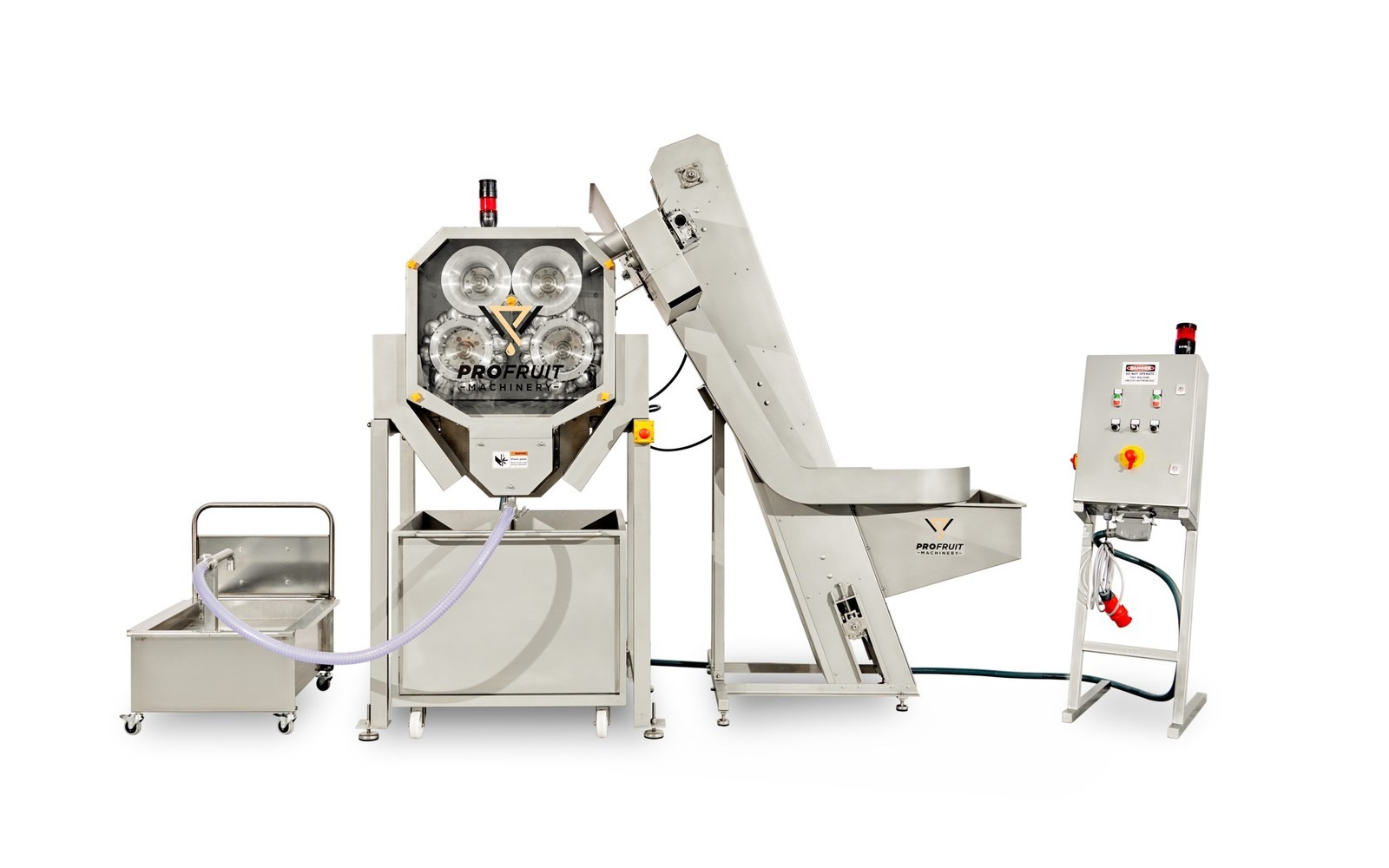
We finance cold-press juicers, full juice production lines, HPP machines, bottling and canning systems, and every piece of processing equipment in between. Our minimum is $50,000, with the sweet spot between $100,000 and $150,000 or higher. New and used equipment both qualify, and we work with B and C credit profiles, not just A-paper borrowers.
How an Equipment Loan Works
The lender advances the purchase price and takes a lien on the equipment as collateral. You make fixed monthly payments over the agreed term, typically 36 to 72 months. At payoff, the lien releases and the machine is unencumbered. No balloon, no residual, no end-of-lease decision.
Because the equipment itself secures the loan, lenders can underwrite deals that might not pass on an unsecured basis. That means a cold-press manufacturer with two years of revenue, solid bank statements, and a healthy batch margin can qualify even if the credit score is not perfect. We typically ask for three months of business bank statements rather than stacks of tax returns for deals under $400,000.
Rates are fixed at closing, so the payment you budget in month one is the same in month 48. For a beverage brand building out a bottling line or commissioning a canning line, that predictability matters as much as the rate itself.
What Qualifies as Collateral
Any tangible piece of production equipment with a meaningful secondary-market value makes a solid loan candidate. In the juicing and beverage space, that covers a wide range:
- Cold-press and hydraulic presses from manufacturers like Goodnature and Norwalk hold value well and fund readily.
- HPP machines are high-ticket assets, often $400,000 and up, that lenders treat seriously because the resale market for Hiperbaric and comparable units is active.
- Filling and capping systems, including inline and rotary fillers, qualify when they are rated for production volume, not just sampling.
- Pasteurization and blending systems such as HTST units and jacketed batch tanks are standard collateral in the food and beverage lending market.
- Refrigeration and cold-chain assets including walk-in refrigeration systems and blast chillers qualify when part of a broader production facility.
Used equipment qualifies at the appraised or invoice value, whichever is lower. Age matters more than the brand on the nameplate: a five-year-old commercial press in working condition funds at far better terms than a fifteen-year-old unit that has not been serviced.
Loan Terms and What Drives the Cost
Term length, equipment age, your business credit profile, and the loan-to-value ratio all move the rate. Here is how those levers work in practice:
- Term length: Shorter terms carry lower rates but higher monthly payments. A 36-month structure costs less total interest than a 60-month one on the same amount.
- Equipment age: New equipment, or late-model used gear with clear title, qualifies for the best terms. Older equipment may require a higher down payment or a shorter term.
- Credit profile: A-paper borrowers (700-plus FICO, strong revenue) see the best pricing. B and C credits qualify, but at a spread above the base rate. We are transparent about where you fall before you commit.
- Down payment: Loans can structure with zero down in some cases, though a 10-20 percent down payment on larger deals often unlocks better pricing and helps you avoid being upside-down on rapidly depreciating assets.
Section 179 of the tax code lets most buyers deduct the full cost of qualifying equipment in the year of purchase rather than depreciating it across the asset life. That deduction can meaningfully reduce the effective cost of the loan. We are not tax advisers, but we encourage every borrower to run the numbers with their CPA. You can learn more on our Section 179 financing page.
Who Gets the Most Out of an Equipment Loan
An equipment loan suits beverage founders who want to own the iron outright, plan to hold the machine for many years, and prefer the depreciation and equity upside that come with ownership. It is a particularly good fit when:
- You are scaling a cold-press juice brand and the machine you are buying will run for a decade or more.
- You want the Section 179 or bonus-depreciation deduction in the current tax year.
- You are buying used equipment at a strong discount and want to preserve cash rather than pay outright.
- Your cash flow is consistent enough to absorb fixed monthly payments without strain.
Founders who expect to upgrade equipment every three to four years, or who prefer to keep capital off the balance sheet, may find a lease structure more attractive. Compare the two options on our equipment lease page to see which structure fits your growth stage.
Get Your Equipment Loan Quote
Tell us what you are buying, the price, and a little about your business. Most quotes come back the same day. Funding typically takes one to two weeks from application to wire.
Related Financing Paths
Common Questions on Equipment Loan
Straight answers before you send the equipment file.
Can I use an equipment loan to buy a used press from a private seller?
Yes. Private-party purchases qualify as long as the equipment can be inspected and its value substantiated. We may require a third-party appraisal on older or high-value units. The seller receives a wire from the lender directly at closing.
Do equipment loans appear on my business credit report?
Most commercial equipment loans are reported to business credit bureaus, which means on-time payments build your business credit profile. If you are early in establishing business credit, that reporting can work in your favor over the life of the loan.
Can I pay off the loan early without a penalty?
Many equipment loans have no prepayment penalty or a modest one in the first year. We disclose prepayment terms upfront. If early payoff is a priority for you, mention it and we will find a lender whose structure fits.
What happens if I need more equipment mid-term?
You can add equipment through a second loan or, if your original lender allows it, a blanket amendment. Some borrowers refinance the entire portfolio into a single facility. We can model both paths when the time comes.
How quickly can I get funded?
Simple deals with clear documentation, verified revenue, and equipment under $400,000 often close in five to ten business days. Larger or more complex structures can take two to three weeks.
Ready to Finance Equipment Loan?
Send the equipment quote, seller, transaction size, and target timing. The financing desk will review the package and return a clear next step.