Bottle Filling Machine
Finance a bottle filling machine for your juice or beverage production facility. Flexible terms, fast approvals, B/C credit welcome. From $50k.
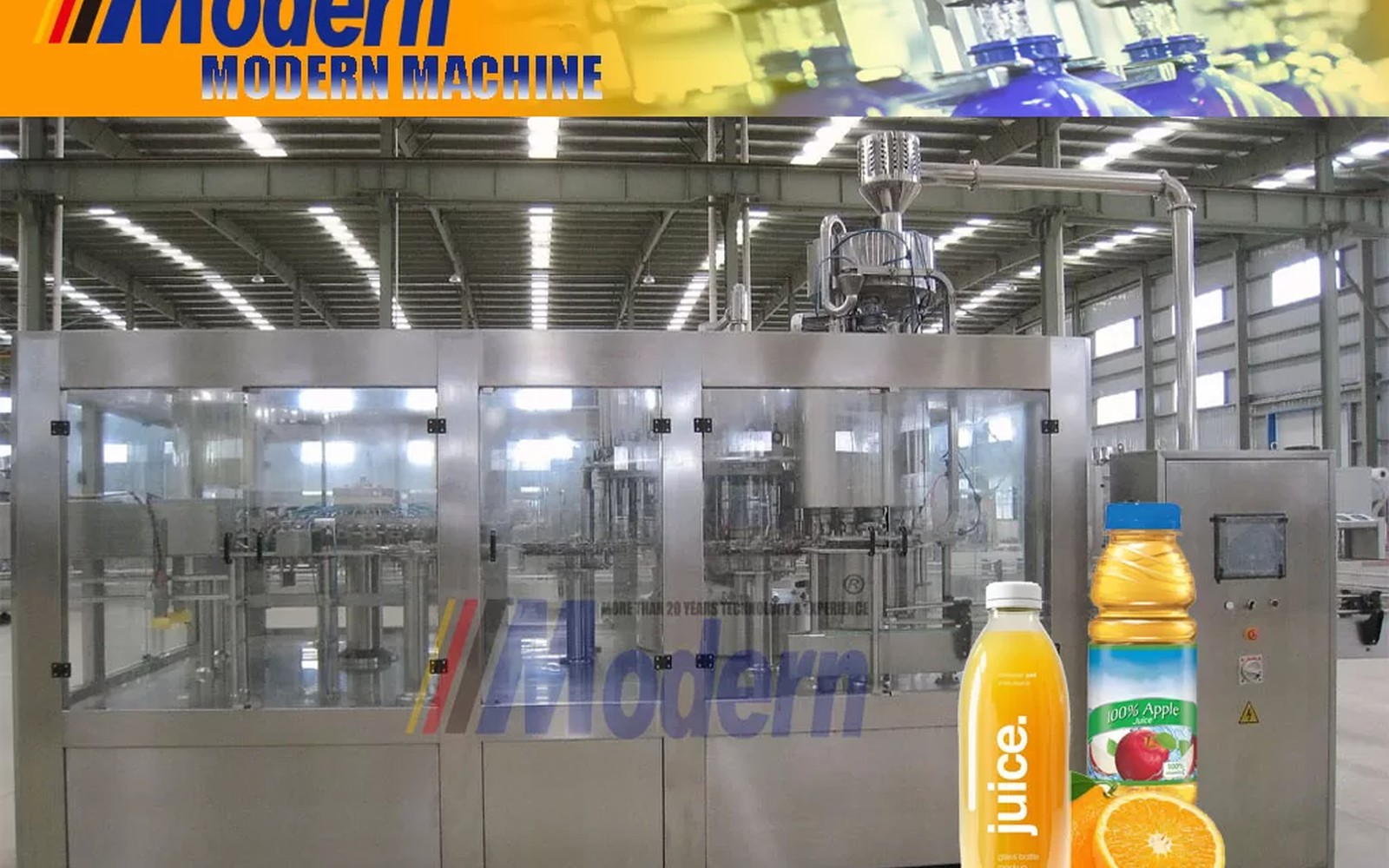
Filling is where extracted juice stops being product and becomes inventory. Every bottle your filling machine puts out is one more unit toward the purchase order sitting on your desk, and a machine that runs slowly, fills imprecisely, or goes down mid-run costs you in ways that show up on the P&L long after the repair bill is paid. Commercial bottle filling machines for juice and beverage production range from linear gravity fillers suitable for a startup production run to high-speed rotary volumetric and flowmeter-controlled systems capable of thousands of bottles per hour. Matching the machine to the production volume is the first decision. Financing the right machine rather than the cheapest available machine is the second.
Bottle filling equipment for juice production spans a wide price range. Entry-level commercial fillers start around $15,000 to $30,000 for semi-automatic systems. Mid-volume automatic inline fillers reach $50,000 to $150,000. High-speed rotary filling systems from manufacturers like Krones, KHS, and Accutek run $200,000 to over $1 million depending on configuration. That range puts a majority of commercial bottle filling purchases squarely in our financing program's target range.
Filling Machine Types and How to Choose the Right One
The most common bottle filling technologies in juice production are gravity filling, counter-pressure filling, volumetric piston filling, and electronic flowmeter filling. Gravity fillers are simple and cost-effective for non-carbonated, low-viscosity juices. Volumetric piston fillers handle products with more viscosity variation, like smoothies or pulp-heavy juices, with high fill accuracy. Flowmeter-controlled fillers offer the best accuracy across a range of viscosities and are preferred in high-volume environments where fill-weight variance drives cost.
Inline fillers place bottles in a straight line and fill them sequentially, which is mechanically simpler and easier to clean but tops out on throughput at lower speeds than a rotary system. Rotary fillers move bottles through a circular carousel with multiple filling heads operating simultaneously, allowing much higher bottle-per-minute rates. A rotary filling machine at 80 filling heads can run thousands of bottles per hour. The jump from an inline to a rotary system is typically justified when weekly production volume crosses into the tens of thousands of units.
Manufacturers worth knowing in this space: Krones for high-volume automated systems, Accutek for mid-volume American-built options, and KHS for European-engineered systems with strong service networks. All of these manufacturers' equipment is eligible for financing through our program, new and used.
New vs. Used Bottle Fillers
The used bottle filling machine market is active and diverse. Plant closures, line reconfigurations, and brand consolidations put quality used equipment on the market regularly. A used Krones or Accutek filler in good mechanical condition can be purchased at 40 to 60 percent of new cost and serve a growing brand well for years. The risks on used filling equipment center on seal and valve condition, fill-head calibration, and compatibility with the bottle formats you are actually running.
Our used equipment financing program covers private-party purchases as well as dealer transactions. We have financed used fillers sourced from beverage industry auctions, plant liquidations, and direct seller deals. In each case, the due-diligence steps are the same: verify the make, model, serial number, approximate age, and current operational condition. A test fill run before purchase is worth scheduling when possible.
Terms and Financing Structure for Bottle Fillers
Bottle filling machine deals landing between $50k and $400k qualify for application-only financing. The process is fast, the documentation is minimal, and approval can happen within one to three business days. Terms typically run 36 to 60 months for mid-range fillers, with longer terms available for larger systems. Monthly payments for a $100,000 filler financed over 48 months land in a range that most growing brands can service from the incremental revenue the in-house filling capability generates.
For brands currently using a beverage co-packer for filling, the financial case for bringing filling in-house often crystallizes when co-packer per-unit filling fees are multiplied by annual production volume. If that number approaches or exceeds the annual payment on a filler purchased outright, ownership begins to pencil. Add the scheduling flexibility and quality control that comes with in-house filling, and the case gets stronger. We walk through that math with buyers during the application process.
Related Financing Paths
Common Questions on Bottle Filling Machine
Straight answers before you send the equipment file.
Can I finance a bottle filler and a capper together in one loan?
Yes. Bundling a bottle filler with a capper, labeler, or other filling-line components into a single transaction is standard practice and often results in better terms than separate smaller deals. Include the complete equipment list with quotes in your application.
My bottle filler is currently on a co-packer's floor. I want to bring it in-house. Can I finance a new one while my company is still in the co-packer relationship?
The transition from co-packer to in-house production is a common scenario we finance. Your current co-packer revenue demonstrates the production volume the machine will serve. The lender is looking for evidence that the business has the volume to justify the machine, and co-packer invoices or purchase orders serve that purpose.
What fill-head count should I be targeting when financing a new bottle filler?
Fill-head count determines throughput, and the right number depends on your target bottles-per-hour and your production schedule. We are not equipment engineers, but we can put you in touch with equipment vendors who specialize in sizing filling lines to production requirements. Getting the right size machine is more important than financing quickly on the wrong one.
I already own a bottle filler outright and need working capital. Can I do a sale-leaseback on it?
Yes. A sale-leaseback converts the equity in your owned filler into cash, with the machine staying in your facility and production continuing without interruption. This structure works well when a brand needs capital for a marketing push, packaging redesign, or inventory purchase but does not want to sell equity or take on unsecured debt.
Does the bottle size or format the filler handles affect the financing terms?
The bottle format itself does not affect financing terms. What matters is the machine's value, brand, model, and condition. A filler configured for 12-ounce glass is financed the same way as one configured for 32-ounce HDPE. If the machine requires significant reconfiguration to run a new format, that is a maintenance cost to plan for, not a financing issue.
Ready to Finance Bottle Filling Machine?
Send the equipment quote, seller, transaction size, and target timing. The financing desk will review the package and return a clear next step.