Beverage Co-Packers
Finance filling lines, pasteurizers, HPP machines, CIP systems, and complete production capacity for beverage co-packers. Closing timed to the beverage-equipment package.
A co-packer's entire business model is throughput. Brands come to you because they cannot or will not build and run their own production facility, and your ability to take on a new SKU, a new bottle format, or a new category depends entirely on whether your equipment can handle the run. Adding a new filling line or upgrading your pasteurization capacity is not an overhead expense; it is the move that lets you sign the next contract and fill the next purchase order. We finance beverage co-packers who are growing production capacity, replacing aging equipment, or adding a new capability that opens a category their current setup cannot serve.
Co-packing is a capital-intensive business that generates relatively steady, contract-backed revenue. That revenue profile is one lenders respect once they understand it. The challenge is that most beverage co-packers need significant equipment investment well ahead of the revenue it will generate, because the contract and the equipment purchase have to happen close together in time. We structure financing to close on that timeline.
Production Equipment Co-Packers Finance
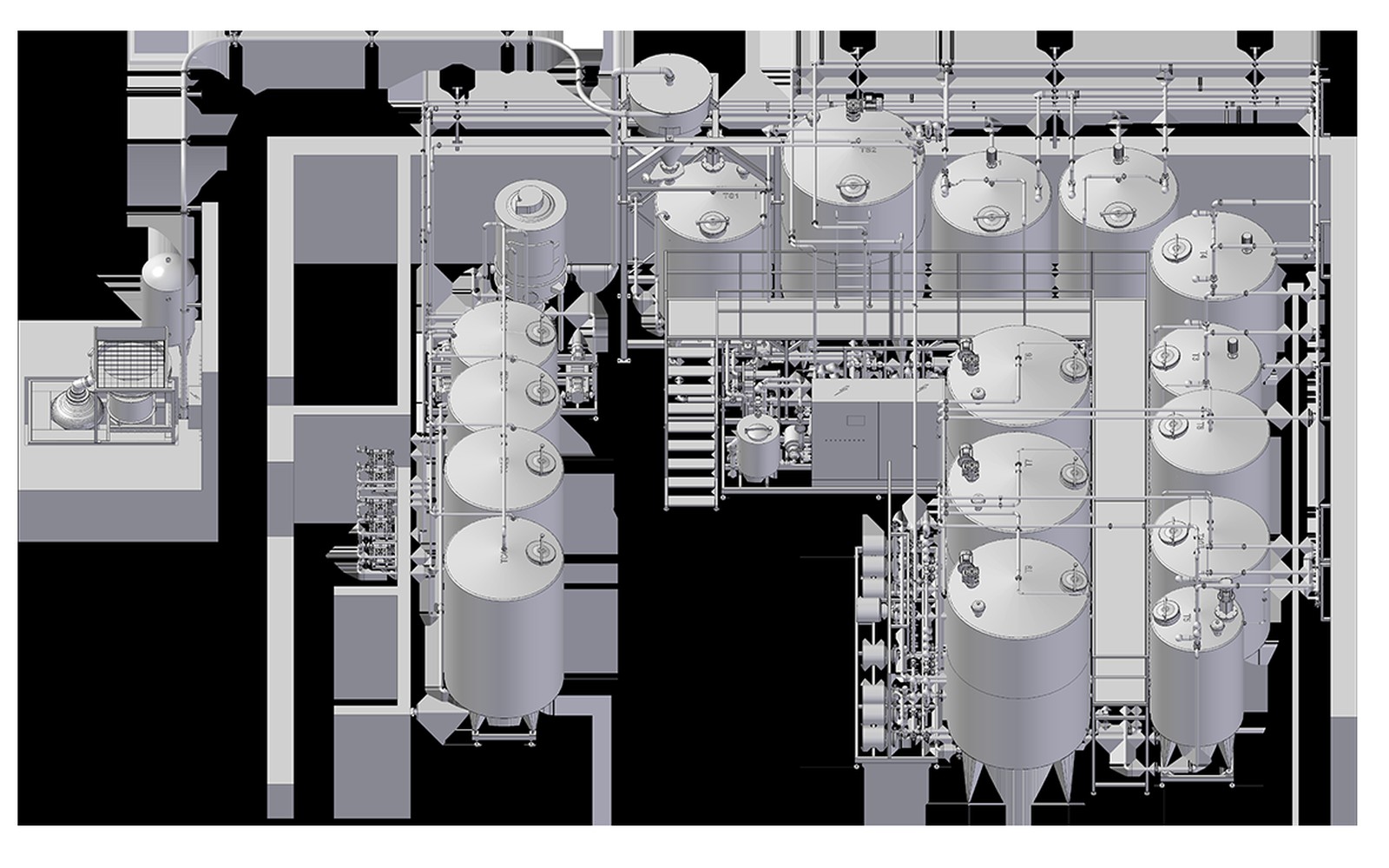
The equipment list for a beverage co-packer is broad. On the juice and cold-beverage side, a juice production line integrating extraction, filtration, blending, filling, and capping can be financed as a single package or by individual asset. High-capacity inline filling machines and rotary filling machines are common capital purchases as a co-packer expands volume. Pasteurization systems, including HTST pasteurization systems for high-acid beverages, represent significant assets that extend the shelf-life profiles a co-packer can promise to clients.
Clean-in-place infrastructure, specifically a CIP system, is not optional for a food-grade production facility handling multiple client SKUs. The sanitation system is often as large a capital item as secondary processing equipment, and it qualifies for financing just like production equipment does. Cold chain assets, including walk-in refrigeration, blast chillers, and refrigerated staging areas, round out the typical co-packer equipment need.
- High-speed filling lines (inline and rotary)
- HTST pasteurization systems
- CIP sanitation systems
- HPP machines for client shelf-life requirements
- Walk-in refrigeration and blast chilling
- Labeling, shrink-wrapping, and case-packing equipment
How Financing Works for Co-Packers
Co-packer deals typically sit in the $150,000 to $2 million range depending on what production capacity is being added. For transactions up to approximately $400,000, application-only financing covers the deal with a one-page application and a credit review, no tax returns needed. Larger transactions require financial statements and a more complete underwriting package, but we submit to multiple lenders at once to avoid the one-bank-at-a-time wait that slows many co-packers down.
Co-packers with existing equipment sometimes have an underutilized asset on the books. A Sale-Leaseback on paid-off production equipment returns that equity to the business, funding new capacity without adding to the overall equipment debt load in a way that complicates the next credit application. We can model both approaches and show you the cash flow difference before you commit.
Terms and Structures for Co-Packer Equipment
Equipment loans and finance leases are both common structures for co-packer assets. For assets like filling lines and pasteurizers that a co-packer plans to own and operate for ten or more years, a loan that builds equity makes straightforward sense. For assets that may be replaced or upgraded as client needs evolve, an equipment lease with a fair market value buyout preserves flexibility and can improve the monthly cash flow picture during periods when new client revenue is still ramping.
Section 179 and bonus depreciation are real considerations for co-packers who are profitable and want to accelerate the tax benefit of a capital purchase. We can connect you with equipment lenders who have structured Section 179 financing deals specifically to optimize the timing of the deduction against the payment schedule. Your tax advisor should be in that conversation, but we can lay out the mechanics on the financing side.
The Co-Packer Opportunity
Demand for co-packing capacity in the better-for-you beverage sector has grown alongside the explosion of new functional beverage, cold-press, and clean-label drink brands. Many of these brands are founder-led and undercapitalized for production infrastructure, making co-packing their only realistic path to retail. Co-packers who can handle HPP, cold-fill, or specialty formats like pouches and cans have pricing power that commodity co-packers running only warm-fill or standard PET bottling do not.
Co-packers serving kombucha producers or functional beverage startups often need specialized equipment, like carbonation systems or aseptic fill capability, that requires capital to add. The brands funding that production can often not afford to wait six months for a traditional bank approval. The co-packer who can turn around that capability quickly, backed by financing that moves at the speed of the market, captures the account.
Get Equipment Financing for Your Co-Packing Facility
Tell us what production capacity you are adding and we will match the deal to lenders who understand food-grade beverage manufacturing. One application, multiple options, no obligation.
Related Financing Paths
Common Questions on Beverage Co-Packers
Straight answers before you send the equipment file.
Can I finance a CIP system separately from the production line it serves?
Yes. A CIP system qualifies as standalone equipment and can be financed independently. If you are also financing a filling line or pasteurizer at the same time, bundling them into a single transaction is often simpler and may improve the lender's view of the overall deal.
I have a contract in hand but the production line needs to be installed before I can perform. Can financing close that fast?
Application-only transactions can be approved in 24 to 48 hours and funded within one to two weeks. If you have a contract commitment that creates a clear delivery timeline, share that with us at application so we can frame the urgency for the lender.
Does financing cover used production equipment I am buying from another co-packer?
Yes. Used equipment purchased from another business qualifies for financing. We handle private-party and dealer purchases. The equipment age and condition factor into the lender's assessment, and we recommend having an independent value estimate for older assets.
My co-packing facility is profitable but carries some older debt. Will that affect approval?
Existing debt is part of the underwriting picture but it is not automatically disqualifying. Lenders look at the debt service coverage, the equipment value, and the overall business performance. Strong bank balances and client contracts are positives that offset reasonable leverage.
Can I refinance production equipment I bought outright two years ago?
A cash-out refinance on owned equipment converts that equity into working capital. The original purchase price and current appraised value drive the available loan amount. This is a common move for co-packers who self-funded initial equipment and now want to fund the next phase without depleting operating cash.
Ready to Finance Beverage Co-Packers?
Send the equipment quote, seller, transaction size, and target timing. The financing desk will review the package and return a clear next step.