Juice Bars
Finance cold-press juicers, blending stations, refrigeration, and complete buildouts for juice bars. Application-only up to $400k, closing timed to the beverage-equipment package.
A batch that doubles in size is a shelf that fills twice as fast, and for juice bars the same logic plays out at the counter every morning. Your press, your blending stations, your refrigeration capacity, and your point-of-sale throughput all determine how many customers you can actually serve before the lunch rush ends. The equipment is the product. We finance juice bars from single-location buildouts to multi-unit operators who are ready to outfit a second or third storefront, and we work with the real numbers that beverage businesses actually run, not the assumptions a generic bank makes about food service.
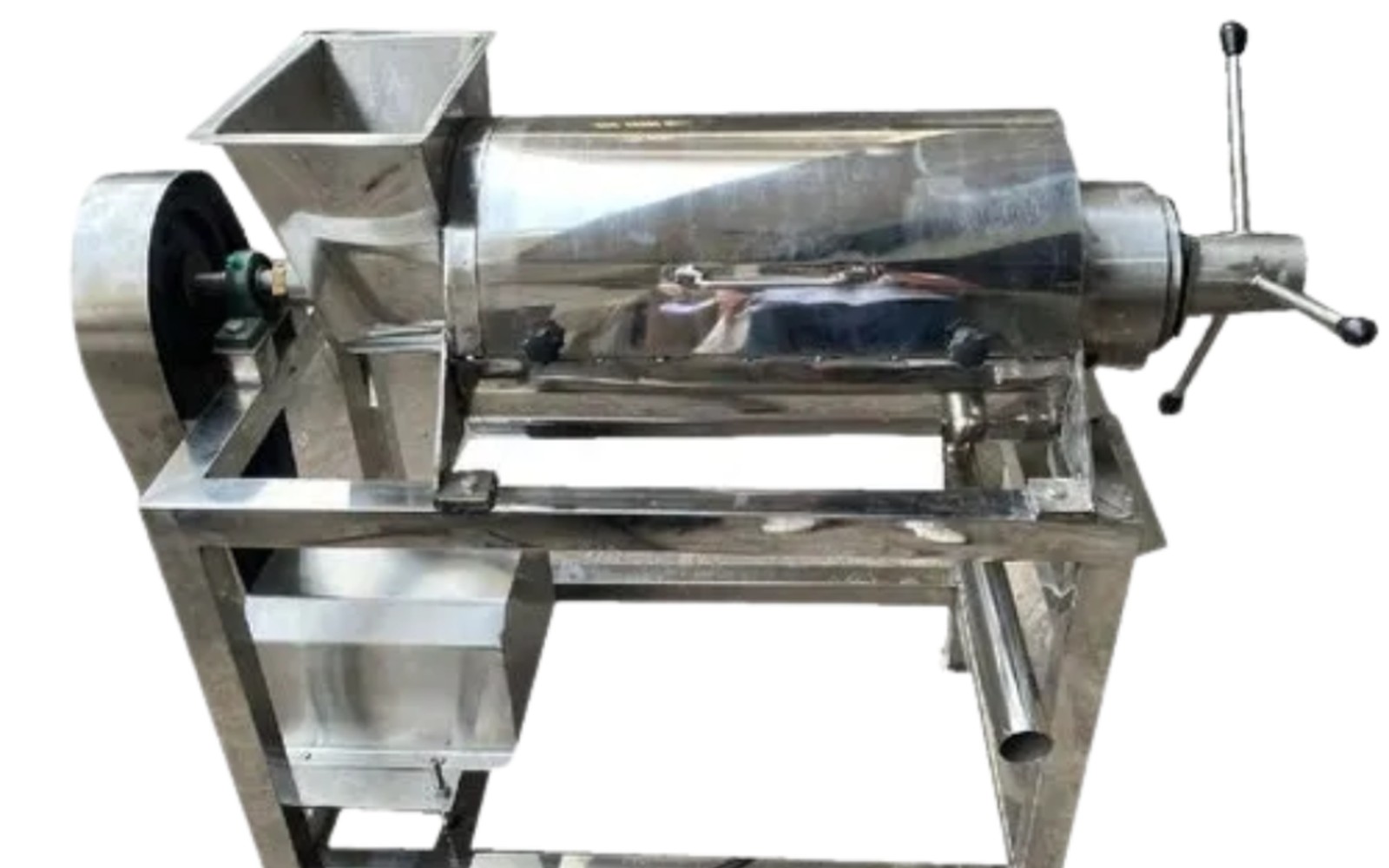
Juice bars face a specific capital challenge: the equipment list is long, the per-item cost is real, and the revenue ramp takes a few months to catch up. A commercial cold-press juicer alone can run $10,000 to $60,000 depending on batch capacity, and that is before the refrigeration, the blending stations, the POS hardware, and the leasehold improvements. We structure financing so you can outfit the whole bar without draining the operating account you need to buy produce every week.
What Equipment We Finance for Juice Bars
Almost anything bolted, plugged in, or permanently installed in your bar qualifies. The most common items we see are cold-press and masticating juicers, commercial blenders and smoothie blending stations, walk-in coolers, display refrigeration, bottle filling machines for grab-and-go product, labeling equipment, and POS systems. We also finance complete juice-bar buildouts as a single package, which means the contractor invoice, fixtures, and equipment can roll into one payment rather than being funded piecemeal.
Soft costs like installation, freight, and extended warranties can sometimes be bundled in as well. Our minimum ticket is $50,000, with a sweet spot around $100,000 to $150,000 and up. That range fits a single well-equipped bar nicely, and it covers the gap between what you saved and what the full buildout actually costs.
- Commercial cold-press and masticating juicers
- Walk-in and display refrigeration
- Blending and smoothie stations
- Bottling and labeling equipment for grab-and-go
- Full buildout packages (fixtures, equipment, installation)
- POS and order-management hardware
How the Process Works
We offer application-only financing up to approximately $400,000, which means no tax returns and no financials for transactions in that range. You fill out a one-page application, we run credit, and a decision usually comes back in 24 to 48 hours. Funding lands in about one to two weeks from approval. Larger transactions, or operators who want a lower rate by putting financials in front of lenders, move through a slightly longer underwriting path but still close faster than most bank processes.
Juice bars with some revenue history do well even if the business credit is still thin. B and C credit situations are something we work with regularly. The available equipment finance programs understand beverage retail and they look at the full picture, including the owner's personal credit, the equipment value, and the business model, rather than screening on a single number. If you are opening a first location, startup business financing structures exist for operators who have strong personal credit and meaningful equity in the deal.
New Equipment, Used Equipment, and Refinancing
New equipment is the most common path for juice bars: brand-new presses and refrigeration come with warranties and lower maintenance risk during the critical first year. But used and refurbished commercial juicers can be a smart buy for operators who are capital-constrained and know what to look for mechanically. We finance both. Used equipment financing covers private-party purchases and dealer sales alike, and the application process is identical.
If you already own equipment outright or nearly free and clear, a Sale-Leaseback lets you convert that equity into working capital while keeping the equipment on-site and in service. That cash can fund a second location buildout, a produce deposit for a larger supplier contract, or simply build the operating reserve that a growing bar needs.
The Juice Bar Market and Why Equipment Quality Matters
The cold-pressed and premium juice retail category has grown substantially over the past decade, driven by consumer interest in whole-food nutrition and clean ingredients. Juice bars in urban cores, fitness districts, and tourist-heavy markets compete heavily on throughput speed and product freshness. A press that can handle the morning rush without slowing down the line is a competitive asset, not just an operational convenience.
Multi-unit operators who run smoothie shops alongside their juice bars often find that equipment standardization across locations matters for training, sourcing, and maintenance. Financing that covers multiple locations at once, rather than requiring a separate application per site, saves real time and coordination overhead. We can structure multi-location deals so all the equipment funds together.
Operators who sell bottled product through grocery or wellness retail channels have an additional equipment calculus: the filling and labeling equipment that supports retail SKU production is often as costly as the press itself, and it earns in a different rhythm than counter sales. Financing that treats the whole production picture, not just the bar equipment, is what we specialize in.
Related Financing Paths
Common Questions on Juice Bars
Straight answers before you send the equipment file.
Can I finance a juice bar that is still under construction?
Yes. We finance pre-opening and under-construction locations regularly. The equipment can fund while the space is being built, so the machines are on-site and ready when the doors open. For full buildout packages we can sometimes fund the contractor invoice alongside the equipment.
My juice bar has been open eight months and revenue is ramping. Will lenders look at partial-year numbers?
Many lenders in our network accept three months of bank statements as the primary income documentation, which works well for newer operators with real revenue in the account. Partial-year financials are not a disqualifier on their own.
Can I refinance a cold-press juicer I already own to pull cash out?
If you own the equipment outright or have significant equity in it, a cash-out refinance or sale-leaseback can convert that value into working capital. The press stays in your bar; the cash hits your account.
What credit score do I need to qualify?
We work with B and C credit profiles. There is no hard floor we publish, because the full picture matters: the equipment value, time in business, revenue in the account, and the owner's personal credit all factor in. We encourage operators to apply and let us shop the submission.
Does the financing cover installation and delivery costs too?
Soft costs including installation, freight, and training can sometimes be bundled into the financed amount, depending on the lender and transaction size. Ask us at application and we will structure it accordingly.
Ready to Finance Juice Bars?
Send the equipment quote, seller, transaction size, and target timing. The financing desk will review the package and return a clear next step.