Bottling Line
Finance a complete bottling line for juice or beverage production. Flexible terms, fast approvals, B/C credit considered. Deals starting at $50k.
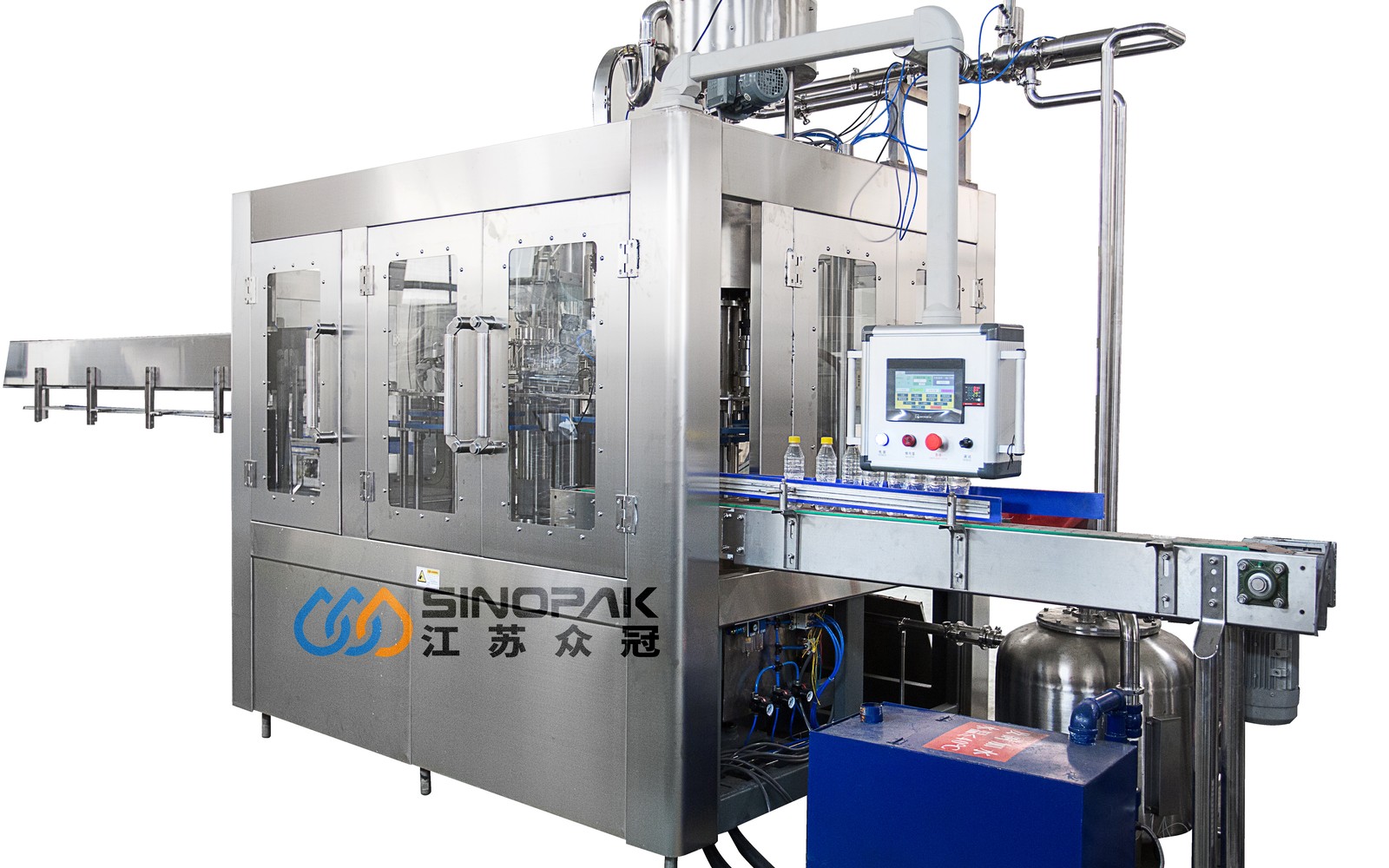
Every batch that comes off the press or out of the extractor has to end up in a bottle. A bottling line is the integrated sequence of machines that makes that happen at the throughput your distribution program requires. From bottle unscrambling and rinsing, through filling and capping, to labeling, date coding, case packing, and palletizing, each station in the line is a capital asset, and the line as a whole is what separates a brand that can serve a regional grocery chain from one that is still running bottles by hand. Financing a bottling line is different from financing a single machine because the deal encompasses every station, and the total often runs from $250,000 for a modest semi-automatic line up to several million for a high-speed glass or PET bottling system.
The most important thing about a bottling line financing deal is getting the throughput match right before the paperwork starts. A line where the filler runs faster than the labeler, or where the capper is slower than the bottle unscrambler, creates a production ceiling that no amount of capital can fix without replacing the bottleneck. We see this issue in used-line purchases and in piecemeal line builds. When buyers are assembling a line from multiple sources, we encourage them to confirm that each station's rated throughput is compatible before financing the package.
Bottling Line Components and Configuration
A full bottling line for juice production typically includes the following stations in sequence: bottle unscrambler, rinser or sterilizer, filler, capper, foil or tamper-evident applicator, labeler, date and lot coder, accumulation table or conveyor, case packer or shrink bundler, and palletizer. Not every line includes all stations, particularly at smaller scale, but the foundational four of filler, capper, labeler, and conveyor appear in virtually every commercial bottling line regardless of volume.
Filling technology choices for a juice bottling line include gravity, volumetric piston, and electronic flowmeter, as covered in the bottle filling machine page. The filler and capper combination is the most important throughput match in the line. Everything upstream must keep the filler fed, and everything downstream must process capped bottles as fast as the capper releases them.
Labeling options include pressure-sensitive label application, hot-glue paper label application, and full-body shrink sleeve labeling. Shrink sleeve labeling has become common in premium cold-press packaging because it allows full-container graphics without the limitations of a paper label. A labeling machine configured for shrink sleeves is mechanically different from a pressure-sensitive applicator and carries a meaningfully higher price tag, which factors into the total line deal.
Major bottling line systems from Krones, KHS, and Sidel offer integrated turnkey line solutions where the manufacturer engineers and supplies all stations and the integration. These turnkey lines simplify commissioning and reduce compatibility risk but carry premium pricing. Used turnkey lines from plant liquidations are available at substantial discounts and represent one of the most compelling capital efficiency opportunities in the beverage equipment market.
How Bottling Line Financing Is Structured
Complete bottling line deals are among the largest transactions in our program. At $250,000 to several million dollars, they typically require three months of business bank statements and at least one year of business tax returns in addition to the application and equipment list. Term lengths run 60 to 84 months, with 72 months being common for larger deals where keeping the payment manageable during production ramp-up is a priority.
For complete line purchases from a single vendor, the deal is structured around the total vendor invoice. For assembled lines from multiple sources, an equipment list covering every station with make, model, serial number, purchase price, and condition is the starting document. Used-line deals often benefit from an independent equipment appraisal to establish current market value, particularly for machines with no current vendor invoice to anchor the price.
An equipment lease works well for bottling lines when the operator anticipates upgrading to a faster configuration within five to seven years. Leasing preserves the option to walk away from the line at the end of the term or buy it at a predetermined value, which matters if the technology landscape changes significantly during the term. A fair-market-value lease versus a dollar buyout lease is a decision worth discussing based on the expected residual value of the line and the buyer's intent to own or upgrade.
The Moment a Bottling Line Investment Makes Sense
The transition from co-packer bottling to in-house bottling is the most common trigger for a bottling line financing deal. Cold-press juice brands that have validated a retail account, built a reliable demand signal, and identified that co-packer per-unit filling fees are eroding margin at scale are at exactly this inflection point. The co-packer model makes sense early, when volume is unpredictable and capital is scarce. It stops making sense when the brand is producing enough units that the annual co-packer fee is comparable to or exceeds the annual payment on a line owned in-house.
The math is straightforward: multiply the current co-packer rate per case times annual case volume, compare that to the annual debt service on a line sized for that volume, and factor in the additional costs of running the line in-house (labor, facility, utilities, maintenance). When the in-house total is lower than the co-packer total, ownership wins. At most brands in growth mode, that crossover happens somewhere between 50,000 and 200,000 cases per year, depending on the co-packer's margin and the line's capital cost.
Beverage manufacturers adding a second line to serve new distribution channels, and beverage co-packers expanding capacity to take on new brand clients, round out the bottling line buyer profile. In all cases, the deal is about matching capital to the production capacity that the revenue pipeline justifies.
Related Financing Paths
Common Questions on Bottling Line
Straight answers before you send the equipment file.
I am assembling a line from different used equipment sources. Can I get one loan for all of it?
Yes. A multi-source used line can be financed as a single deal when we have a complete equipment list covering every piece. The deal is structured around the total purchase value of the assembled line. An independent appraisal may be requested if individual pieces lack current vendor quotes to anchor pricing.
We have a co-packer agreement through the end of the year. Can we finance a line now and start using it at year-end?
Yes. Financing can be committed with funding timed to the equipment delivery and installation date, not necessarily the moment you apply. If you are buying new equipment with a lead time, we can have the financing committed in advance so there is no delay between equipment arrival and the ability to put it to work.
Can I include the facility improvements needed to house the line in the same loan?
Facility improvements, leasehold improvements, and build-out costs are typically not eligible for equipment financing because they are attached to real property rather than movable equipment. However, we can sometimes include a modest soft-cost allowance in the equipment deal for items like utility connections and installation. Larger facility projects are better handled through a separate commercial real-estate or business loan.
What credit profile do I need for a multi-million-dollar bottling line loan?
Large bottling-line deals require a complete credit review including business and personal credit, business tax returns, and bank statements. The business needs to show revenue at a scale that supports the debt service. Personal credit in the high 600s or above strengthens the deal, but business financial strength is the primary driver for larger transactions.
Can I refinance an existing bottling line to pull out capital for a new SKU launch?
A sale-leaseback or cash-out refinance on an existing owned bottling line can convert machine equity into capital for a packaging redesign, new SKU development, marketing launch, or ingredient sourcing. The line stays on your floor, production continues, and the capital hits your account within one to two weeks of funding.
Ready to Finance Bottling Line?
Send the equipment quote, seller, transaction size, and target timing. The financing desk will review the package and return a clear next step.