Commercial Cold-Press Juicer
Finance a commercial cold-press juicer with low monthly payments, flexible terms, and fast approvals. New and used equipment, B/C credit considered.
A cold press that doubles your batch is a press that gets you onto the next shelf, and that is the whole growth story. Commercial cold-press juicers extract juice by slowly crushing and squeezing produce at low RPM, typically under 80 RPM, which keeps friction and heat to a minimum. The result is a product with more retained nutrients, a richer color, and a shelf life that can reach 30 to 45 days under refrigeration compared to roughly three days from a centrifugal unit. For any brand building a cold-pressed juice line, the press is not just equipment. It is your differentiation argument on every retail shelf it reaches.
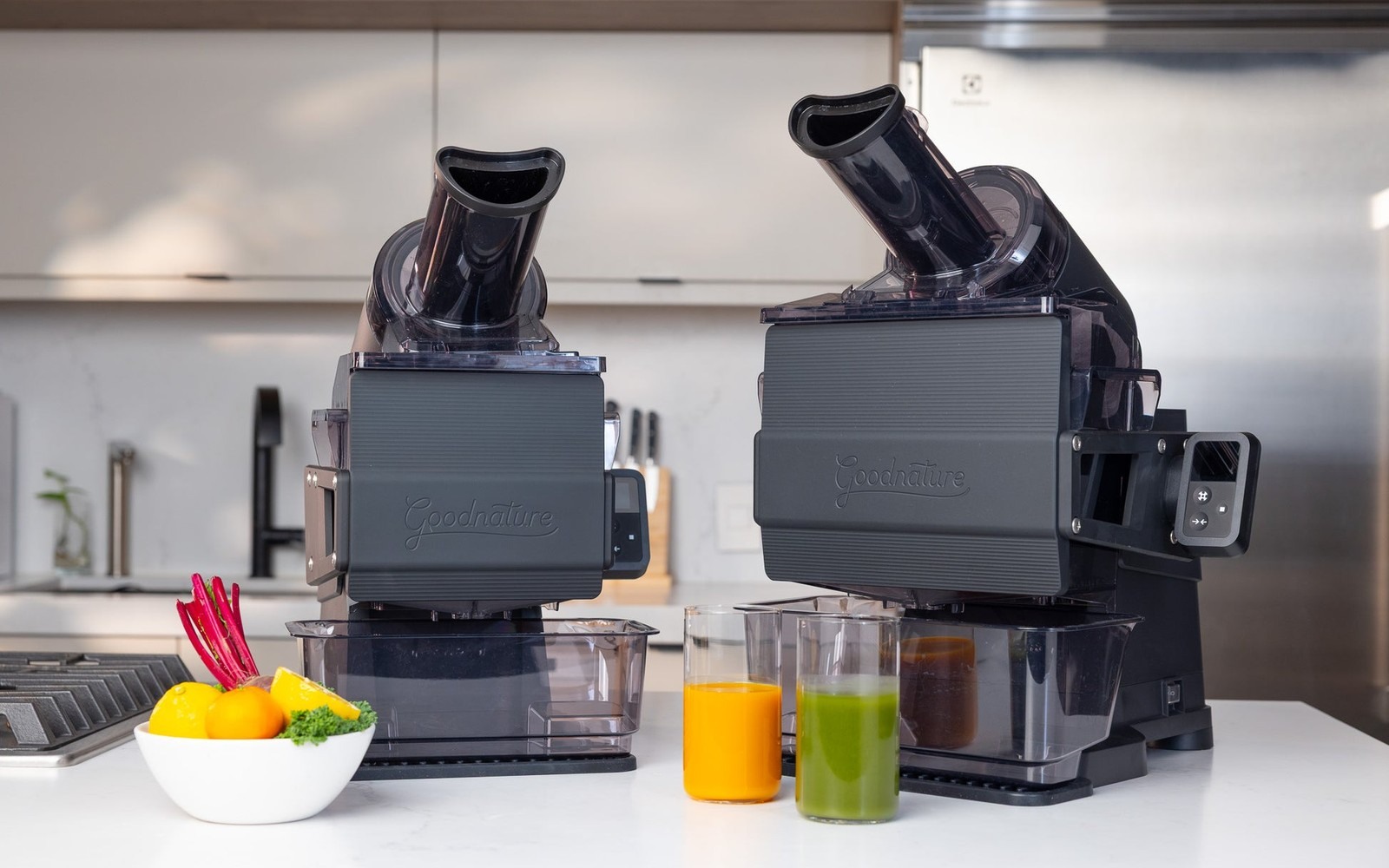
The machines that power serious commercial operations range from the Goodnature-style rack-and-cloth hydraulic systems to continuous cold-press presses designed for uninterrupted production. Entry-level commercial units start around $15,000, while high-throughput hydraulic systems from manufacturers like Bucher Unipektin reach well above $100,000. That capital requirement is exactly where equipment financing steps in, letting you put a capable press to work before the batch revenue catches up with the purchase price.
What Makes a Cold-Press Juicer a Commercial Asset
Cold-press juicers for commercial use fall into two main categories: hydraulic rack-and-cloth systems and continuous-feed masticating or twin-gear designs. Hydraulic systems, like those made by Norwalk and Bucher, press a cloth-wrapped pulp pad under thousands of pounds per square inch of force, extracting up to 30 percent more juice per pound of produce than other methods. Continuous systems use augers or twin gears to grind produce and press it in a single pass, trading some yield efficiency for faster throughput on high-volume runs.
Key specs to evaluate before financing include throughput in gallons per hour, press cycle time, extraction yield percentage, and cleanability. A unit rated for 50 gallons per hour looks very different on a balance sheet than one rated for 200. Both may be the right tool depending on whether you are running a juice bar or a co-packing facility. Lenders who specialize in cold-press juice brands understand that these machines hold strong resale value, which works in your favor when structuring terms.
Used commercial cold-press juicers can offer substantial savings, often 40 to 60 percent off list, but extraction yield and seal condition are the first things to verify before purchase. Our financing covers used equipment financing from private sellers and dealers alike, with the same documentation requirements as a new-equipment deal.
How Cold-Press Juicer Financing Works
Most commercial cold-press juicers qualify for application-only financing up to around $400,000, meaning you submit a one-page application and the lender evaluates the deal based on credit profile and time in business, without pulling two years of tax returns. Deals funded under that threshold can move from application to funded in as little as one to two weeks. Above that threshold, or for borrowers who want the strongest possible terms, lenders typically request three months of bank statements and the most recent business tax return.
The minimum deal size we work with is $50,000, and the sweet spot for most cold-press juicer purchases lands between $100,000 and $150,000. Terms typically run 36 to 72 months, and both loans and leases are available. A lease makes sense when you want to preserve working capital or expect to upgrade equipment within five years. A loan makes sense when you plan to run the machine for a decade and want to own the asset outright. Neither path requires a down payment in many cases, though first-and-last payments at closing are common.
New vs. Used Cold-Press Juicers
New hydraulic cold-press systems come with manufacturer warranties, current technology, and the full expected lifespan of the press cloth and seals. For a brand launching a retail line, the cleaner paper trail of a new machine can also matter for food-safety audits and co-packer agreements. The downside is price, and that is where financing makes new equipment accessible without draining operating reserves.
Used units, particularly Goodnature X-1 and M-1 presses, hold their value well enough that a two- or three-year-old machine in good condition can still command 65 percent of original list price. If you are sourcing a used press through a private party, our private-party equipment purchase financing handles the transaction the same way a dealer deal would. Verify the press cloth condition, the hydraulic pump pressure rating, and extraction yield on a test batch before committing. Those three checks catch the majority of problems with used cold-press equipment.
Who Typically Finances a Commercial Cold-Press Juicer
The buyers we work with most often fall into three groups. First are established juice bars that have outgrown their countertop unit and need a machine capable of producing inventory for wholesale accounts in addition to over-the-counter sales. Second are beverage co-packers adding cold-press capacity to serve brand clients who do not want to own their own equipment. Third are emerging consumer brands that have validated a recipe and a retail account and need to scale extraction volume to fulfill the purchase orders already on the table.
In all three cases, the press is revenue-generating equipment, and the monthly payment should be structured to stay well within what the batch output can service. A machine running two shifts per day at $8 per bottle retail creates a very different cash-flow picture than one running a single four-hour shift for a juice bar menu. Both can be financed; the term length just needs to match the reality of the production schedule.
Get Financing for Your Cold-Press Juicer
Submit a quick application and we will match you with terms designed for your batch volume and production goals. New or used, single unit or a full press room, we fund cold-press juicer purchases starting at $50,000.
Related Financing Paths
Common Questions on Commercial Cold-Press Juicer
Straight answers before you send the equipment file.
Can I finance a cold-press juicer if my business is less than two years old?
Yes. Startups and early-stage businesses can qualify through our startup financing options. The review places more weight on personal credit, industry experience, and the business plan than on years of tax returns. Time-in-business requirements vary by lender and deal size.
Does financing cover the press cloths, racks, and accessory kit, or just the machine itself?
Most equipment loans and leases can be structured to include accessory items and soft costs like press cloths, racks, and initial spare parts up to a reasonable percentage of the total transaction. Larger soft-cost bundles may need to be separated into a working-capital line, but we will flag that when reviewing your application.
I already own a cold-press juicer and need capital. Can I use it to pull cash out?
If the press is owned free and clear, or nearly so, a sale-leaseback or cash-out refinance converts that equity into working capital. We have done this for brands that needed funds for packaging runs, raw-material purchases, or retail launch costs. The machine stays in your facility and keeps producing.
What credit score do I need to qualify?
We work with B and C credit profiles in addition to prime borrowers. The rate and term will reflect the credit picture, but approval is possible across a wider range than most business owners expect. A score in the mid-600s is often workable, especially when the business has demonstrable revenue.
How long does approval actually take?
Application-only deals under $400,000 typically move from submitted application to approval in 24 to 72 business hours. Funding follows within one to two weeks from the date documents are signed. Complex deals with bank statements and tax returns can take a few days longer.
Ready to Finance Commercial Cold-Press Juicer?
Send the equipment quote, seller, transaction size, and target timing. The financing desk will review the package and return a clear next step.