

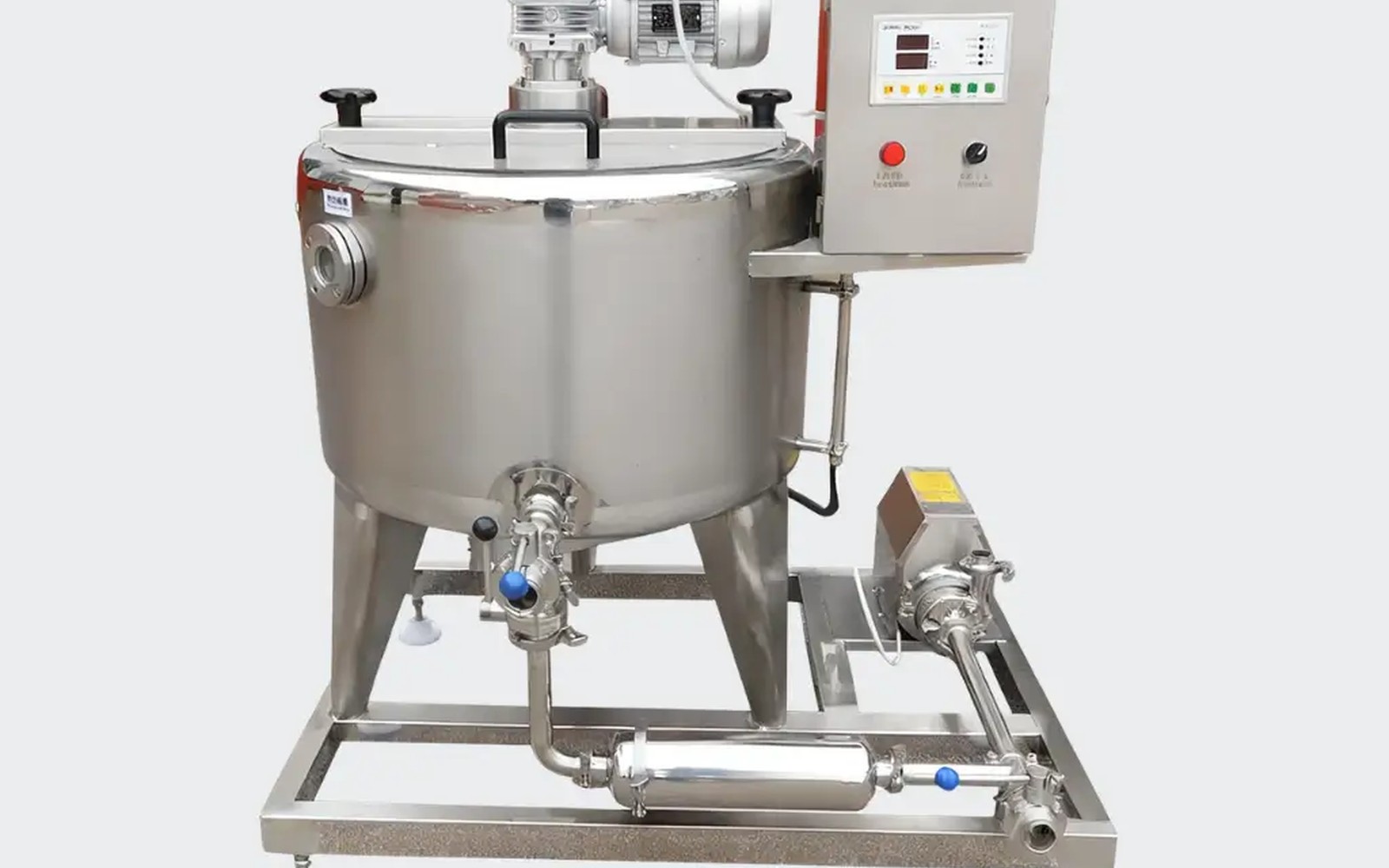
Pasteurizer
Finance a tunnel pasteurizer, plate pasteurizer, or HTST system for juice and beverage production. Application-only up to ~$400k. Get a quote in 24 hours.
Shelf life is revenue. A juice that holds for 30 days earns more distribution channels than one that holds for 9, and pasteurization is what makes those extra weeks possible. Adding a pasteurizer to your production flow is not just a compliance step; it is the equipment decision that unlocks retail, foodservice, and club-store distribution that your product could not reach before. We finance pasteurizers for juice producers, juice manufacturers, and beverage brands that are expanding shelf life and moving into new channels.
Pasteurizer types vary considerably in cost, throughput, and integration requirements. A small batch tunnel pasteurizer suited for low-volume juice operations can run $30,000 to $80,000. Plate heat exchangers and inline flash pasteurizers for higher throughput scale into the $150,000 to $600,000 range. Full HTST (high-temperature short-time) continuous systems from major manufacturers sit at the upper end and often integrate with upstream and downstream equipment as part of a larger line capital project. We finance across that range, from a single-unit installation to a complete pasteurization upgrade.
Pasteurizer Types for Juice Production
Tunnel pasteurizers move filled and sealed containers (bottles, cans, or pouches) through a series of warm-water spray zones and a cooling zone. This in-package pasteurization is common for carbonated beverages and juices where the product cannot be heated before fill. The container itself provides the sealed environment. Tunnel pasteurizers require significant floor space and water consumption, but they are compatible with a wide variety of packaging formats without modifying the fill line.
Plate heat exchangers and tubular heat exchangers pasteurize the liquid product before filling. The juice is heated rapidly to the target temperature, held for the required time, then cooled and routed to a filler. This approach is faster and more energy-efficient for high-volume operations but requires the product to be filled hot (or cooled rapidly for cold-fill) immediately after treatment. Many juice brands pair this type of pasteurizer with a bottle filling machine designed for hot-fill temperatures.
For brands exploring extended shelf life without ultra-high-temperature processing, tunnel and plate pasteurizers hit the sweet spot between product quality and shelf stability. The specific system you need depends on your container format, fill temperature, target shelf life, and whether you are running a still or carbonated product. We finance all configurations, and we do not require the equipment to be new.
How Pasteurizer Financing Works
Most pasteurizer deals we finance come through one of three paths. The first is a direct equipment purchase from a manufacturer or dealer, where we fund the invoice and hold the equipment as collateral. The second is a private-party or auction purchase, common when a brand finds a good used tunnel pasteurizer from a facility that has transitioned to HPP or closed a line. The third is a refinance of a pasteurizer you already own and want to monetize for working capital through a cash-out refinance.
For new purchases, we offer both loans and leases. An equipment loan means you own the machine from day one; a lease gives you lower monthly payments and may offer end-of-term flexibility to upgrade if pasteurization technology evolves. Loan terms for pasteurizers typically run 48 to 72 months. Application-only approval is available for total transaction amounts up to roughly $400,000, requiring just your business information and three months of bank statements. Larger projects require a full credit package but still move through underwriting on a predictable timeline.
B and C credit operators are considered. We also work with startups and emerging brands that have been operating for less than two years; those situations typically need a stronger down payment but are not automatically declined.
Why Pasteurization Is a Capital Priority for Growing Juice Brands
Cold-press juice has earned its premium position at retail, but the 4-day shelf life of truly raw juice is a distribution wall. Lightly pasteurized cold-press, sometimes called HPP as a complement rather than substitute, or flash-pasteurized juice occupies a middle ground that lets brands reach regional grocery distribution without the refrigerated supply chain limitations of truly raw product. Cold-press juice brands that invest in pasteurization can often double or triple their geographic footprint with the same production capacity simply because the shelf life allows longer-haul distribution.
For brands moving into foodservice, contract manufacturing for private label, or club-store volume, a documented pasteurization step is frequently a requirement from the buyer. Retailers and foodservice operators have their own food safety audit processes, and a pasteurizer with documented time-temperature controls is part of passing those audits. Brands targeting grocery and specialty retailers face this hurdle consistently. The capital investment is not optional at that stage of growth; it is the entry ticket.
Related Financing Paths
Common Questions on Pasteurizer
Straight answers before you send the equipment file.
Can I finance a used tunnel pasteurizer from an auction or equipment dealer?
Yes. Used pasteurizers are common collateral for us, particularly tunnel units from beverage facilities that have transitioned to other preservation methods. We need documentation of the value, either a dealer invoice or an independent appraisal, but the source of the equipment does not have to be new.
My pasteurizer is part of a larger line project. Can I finance the entire line together?
Yes, bundling a pasteurizer with upstream and downstream equipment into a single package is straightforward. The collateral is the complete line, and you get one set of terms rather than multiple loans to manage. This is very common when a brand is doing a significant production upgrade.
What documentation do I need to apply?
For transactions up to roughly $400,000, we offer application-only approval: your business information plus three months of bank statements. Larger projects require tax returns and financial statements. Either path, we move quickly and do not let paperwork drag out the timeline unnecessarily.
Does the type of pasteurizer (tunnel vs. plate) affect the financing structure?
Not significantly. Both are treated as durable production equipment and financed the same way. What matters is the total transaction amount, the age and condition of the equipment, and your credit profile. The technology type does not change the basic loan or lease structure.
I already own a pasteurizer. Can I refinance it to get working capital?
Yes. A cash-out refinance on equipment you own free and clear generates a lump-sum cash payment to your business. We hold the pasteurizer as collateral and you make monthly payments on the refinance. This is a good option when you need capital for ingredients, packaging, or a second line piece but do not want to dilute equity.
Ready to Finance Pasteurizer?
Send the equipment quote, seller, transaction size, and target timing. The financing desk will review the package and return a clear next step.