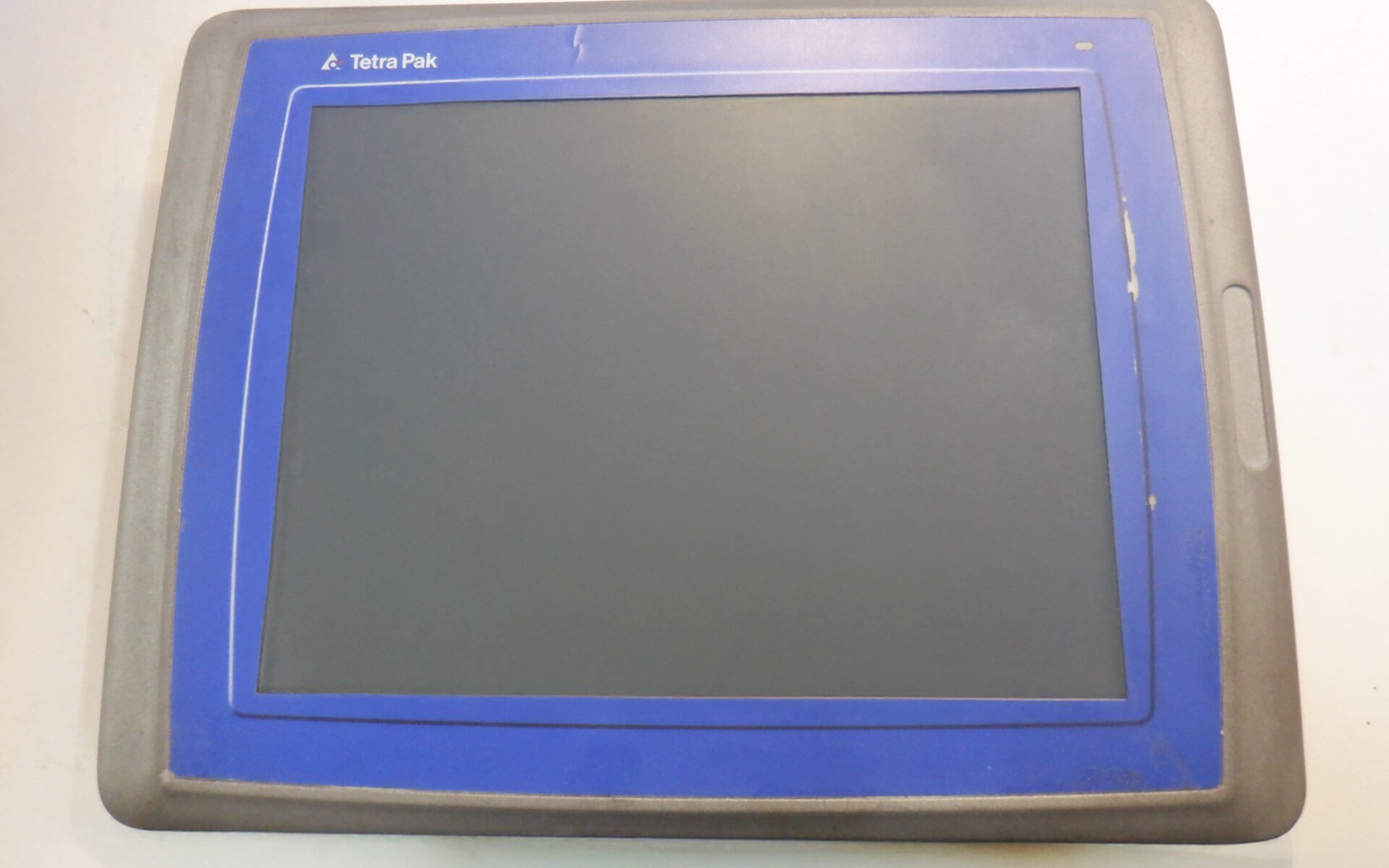
Tetra Pak A3/Flex Filler Financing
Finance a Tetra Pak A3/Flex aseptic filler for juice, plant milk, or functional beverage production. Structured deals, B/C credit considered, funded in about.
Shelf-stable carton packaging is the product format that lets a juice or plant-milk brand reach markets that refrigeration cannot, from foodservice to international distribution to emergency-prep retail. The Tetra Pak A3/Flex is the aseptic filler that makes that format possible, filling Tetra Brik Aseptic cartons with product that has been commercially sterilized and then filled and sealed in a sterile environment, giving the SKU a shelf life measured in months without refrigeration, preservatives, or quality compromise.
The A3/Flex platform handles the Slim, Base, and Square Tetra Brik carton formats from a single machine, which is where the Flex designation comes from. The ability to run multiple package formats without a full machine changeover is valuable for brands that serve both retail (where the Slim is common) and foodservice (where larger formats dominate). That flexibility is also a lender-friendly characteristic because it broadens the machine's addressable market and supports resale value.
Tetra Pak equipment is among the most capital-intensive in the beverage sector, with aseptic filler installations typically running into the millions of dollars when you include the Tetra Pak-supplied carton material handling, the forming and sealing system, and the sterilization module. We work with Tetra Pak equipment buyers specifically and have lenders who understand this asset class and the long Tetra Pak project timelines.
Why Aseptic Carton Matters for Juice Brands
The beverage categories that benefit most from aseptic carton filling are also among the highest-growth in the sector: plant milks, functional RTD beverages, cold-pressed juices in non-refrigerated formats, and juice blends marketed to developing markets where cold chains are inconsistent. For a beverage manufacturer trying to expand geographically or move product into foodservice at scale, aseptic carton is often the most practical packaging format.
The A3/Flex handles product that has been aseptically processed upstream, typically through a UHT (ultra-high-temperature) pasteurization system or an aseptic filtration step. The aseptic filling equipment category requires that the entire fill environment from the sterile product surge tank through the carton-forming and sealing station be maintained at positive-pressure sterile conditions, which is why Tetra Pak integrates the sterilization of the packaging material (hydrogen peroxide bath) into the machine itself.
For plant-milk producers specifically, the shelf-stable aseptic carton format is what enables broad retail distribution without the cold-chain cost structure that refrigerated products carry. An oat milk brand in an aseptic carton can sit in ambient grocery without the space constraints of the refrigerated section, which is a distribution channel argument the brand can make to buyers that refrigerated-only brands cannot.
The secondary market for Tetra Pak A3 equipment is active. Tetra Pak runs a certified pre-owned program, and used A3 machines, when properly reconditioned and re-validated for aseptic production, can represent meaningful capital savings. Tetra Pak's installed base is large enough that finding a used unit in the right format configuration is feasible, though availability varies.
Financing the A3/Flex: Deal Structures
New Tetra Pak A3/Flex installations are capital-intensive projects in the multi-million-dollar range when full line equipment, installation, and startup are included. Used or reconditioned A3 units reduce that number significantly, though the cost of re-validation and aseptic re-commissioning adds back some of the savings.
Because of the deal size, A3/Flex financing almost always requires full documentation. Three months of business bank statements is the baseline; for large facilities, lenders may also request two years of business tax returns and financial statements. Application-only financing up to about $400,000 covers some component purchases, soft costs, or smaller used-unit acquisitions but will not cover a complete new A3 installation.
Common structures:
- Equipment loan: You own the machine, take the depreciation, and pay fixed monthly amounts over 60 to 84 months. For a long-lived asset like the A3 (Tetra Pak installations are routinely operated for 15 to 20 years), a longer loan term is defensible.
- Sale-leaseback: A Sale-Leaseback on an existing A3 that you own free and clear converts the asset equity to operating capital. This is a common move for manufacturers who need capital for raw-material inventory to ramp a new SKU or market.
- Equipment refinancing: If you financed an A3 several years ago and the business has grown, a refinance can reduce your rate, extend the term to lower the monthly, or generate cash-out capital. Our equipment refinancing page covers the process.
Credit and Documentation for Large Aseptic Projects
The A3/Flex deal size puts most financing conversations in the full-documentation range. That said, the credit and business profile requirements are not as intimidating as the deal size might suggest. Lenders look at:
- Business revenue over the past 24 months and trend direction
- Existing debt service coverage (can the business service existing debt plus the new payment)
- The specific production case for the investment: what product, what volume, what customers
- Personal credit as a secondary factor (relevant but not the primary underwriting driver at this deal size)
B and C credit applicants with strong business financials and a clear production case can get to approval on A3/Flex deals. If your business has had a rough year or two, explain it in context. Available equipment finance programs understand that beverage businesses have had disruptions from supply-chain issues and demand volatility; a coherent explanation of a credit blemish is better than a gap in the file.
For brands with imperfect credit histories, our bad-credit equipment financing resources outline what helps a complex deal move forward.
Related Financing Paths
Common Questions on Tetra Pak A3/Flex Filler Financing
Straight answers before you send the equipment file.
Can I finance a Tetra Pak A3/Flex if my business is a startup with a signed private-label contract?
A signed private-label or co-packing contract significantly strengthens a startup application because it gives lenders forward-looking revenue to underwrite against. You will still need to demonstrate that the operational team, facility, and upstream processing capacity exist to fulfill the contract. A startup with a signed contract, a complete business plan, and strong personal financial backing has a realistic path to funding.
Does Tetra Pak offer financing through its own channels? Should I compare?
Tetra Pak has offered customer financing programs in partnership with financial institutions, particularly for captive transactions where Tetra Pak is the vendor. Comparing manufacturer financing with independent financing is always worth doing. Independent financing sometimes offers better terms because it is not tied to Tetra Pak as the vendor of record, giving the lender flexibility in structuring. We will always tell you honestly what our terms look like versus what Tetra Pak offers.
How long does a Tetra Pak A3/Flex typically last in production service?
Tetra Pak designs its filling equipment for long service lives, and it is common to find A3-series machines that have been running production for 15 to 20 years with proper maintenance. This longevity supports the case for longer financing terms because the machine will realistically outlast a 7-year loan by a wide margin.
We have an existing Tetra Pak machine with a lien. Can we roll that into a new A3/Flex financing?
A refinancing that pays off the existing lien and provides additional funds for the A3/Flex upgrade is structurally possible. The combined deal needs to be supportable by the business cash flow and the combined asset values. Bring us both the existing machine details and the new A3/Flex project scope and we will see if a combined facility works.
Ready to Finance Tetra Pak A3/Flex Filler Financing?
Send the equipment quote, seller, transaction size, and target timing. The financing desk will review the package and return a clear next step.