Sale-Leaseback
Convert the equity in your cold press, HPP machine, or production line into working capital through a sale-leaseback. Keep running the equipment. Get cash now.
Equity sitting inside a cold press or a filling line does not buy produce, pay labor, or fund the next distribution deal. A sale-leaseback converts that locked equity into usable capital without stopping production for a single batch. You sell the equipment to the lender, receive fair market value in cash, and immediately lease it back under a structured agreement that keeps the machine running in your facility exactly as before.
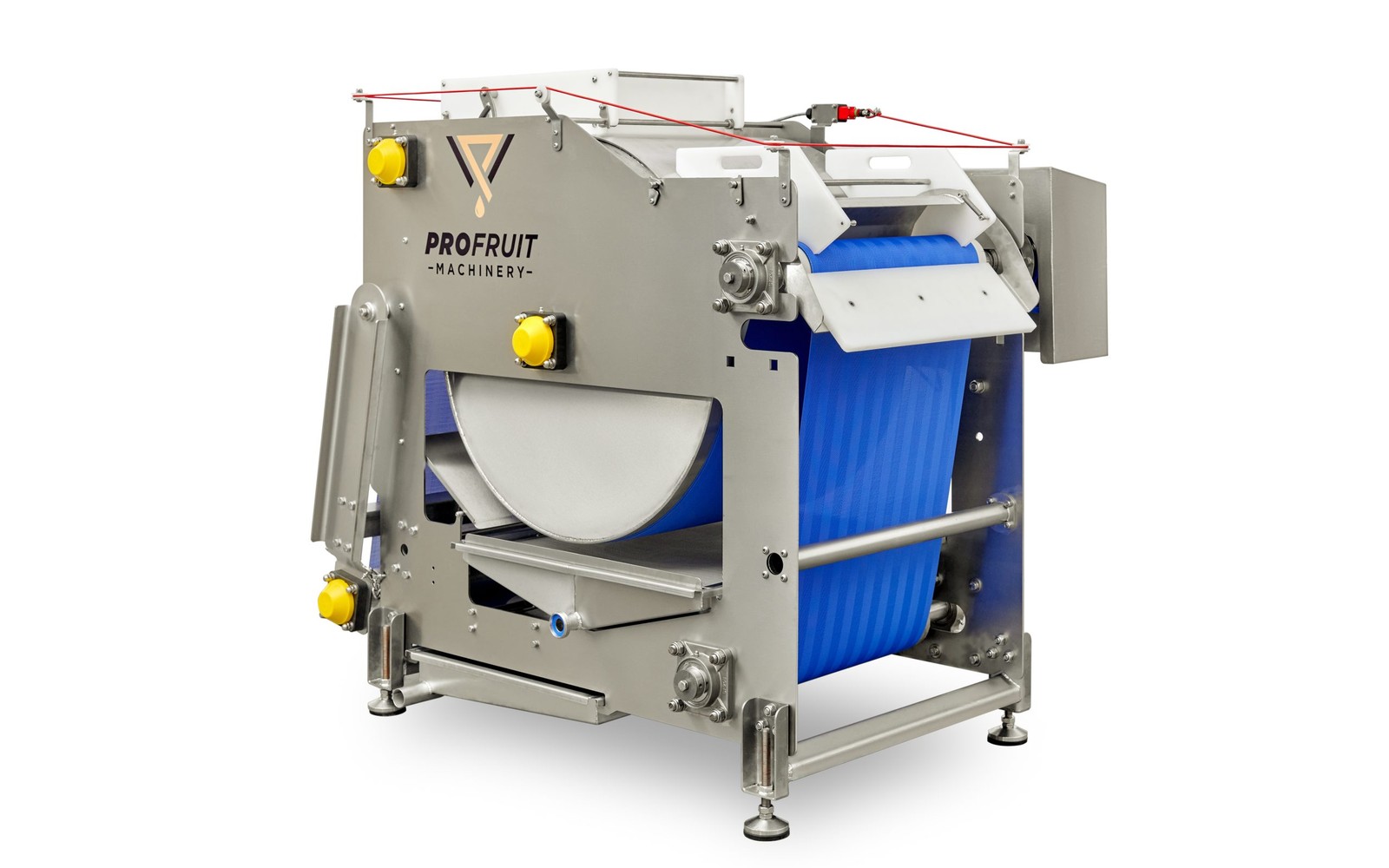
We run sale-leasebacks on commercial cold-press juicers, HPP machines, bottle filling machines, pasteurizers, and full production lines for juice brands, co-packers, and beverage manufacturers. Minimum deal size is $50,000. Equipment needs clear title or a small payoff that the transaction net proceeds can cover.
The Mechanics of a Sale-Leaseback
The transaction has four moving parts. First, we appraise or agree on fair market value for the equipment. Second, the lender purchases the equipment from you at that value, retiring any existing lien if there is one outstanding. Third, you sign a lease agreement and begin making monthly lease payments on the same equipment. Fourth, at lease end, you exercise whatever end-of-term option applies, whether that is a purchase at fair market value, a renewal, or a return.
From an operational standpoint, nothing changes inside your production facility. The machine stays on the floor, your operators use it the same way, and your batches keep running. The only things that change are who holds title and what appears on your bank statement as a cash receipt on closing day.
Net proceeds to you equal the purchase price minus any existing payoff balance and transaction costs. On a piece of equipment with strong equity, that net can be substantial. A $300,000 cold-press system with $50,000 remaining on the original note might net $220,000 to $240,000 into your operating account at closing.
When a Sale-Leaseback Fits the Business
Sale-leasebacks make the most sense in three situations. The first is a brand that grew fast, bought equipment with cash, and now needs that capital redeployed into inventory, distribution, or a new SKU. The second is an operator facing a near-term obligation, whether that is a wholesale order requiring raw material investment or a marketing push ahead of a retail launch, who cannot wait for a traditional loan approval cycle. The third is a business that has hit the limits of its bank credit facility and needs a non-bank source of working capital that does not add to the traditional debt stack in the same way.
Brands working with cold-press juice brands or scaling through beverage co-packers frequently use sale-leasebacks as a bridge between funding rounds or to close a seasonal cash gap without diluting equity.
The structure is also useful for brands that want to redeploy the proceeds into more equipment. Buy a second press with the leaseback proceeds from the first one and you have doubled production capacity without a net increase in cash outlay.
Understanding the Lease Payments After the Sale
Once the sale closes, you have a lease obligation instead of a loan or free-and-clear equipment. The lease payment depends on the sale price, the agreed lease term (typically 24 to 60 months), and the end-of-term structure. Fair market value leases carry lower payments because the lender retains meaningful residual value at term end. Dollar-buyout leases carry slightly higher payments because you are financing closer to the full asset value.
The trade-off relative to a cash-out refinance is worth understanding. A cash-out refinance keeps you as the equipment owner and requires an existing lien to replace. A sale-leaseback converts you from owner to lessee and requires clear or near-clear title. Which one nets more cash depends on the equipment's current value and the remaining payoff. We model both scenarios when the equipment situation could support either approach.
Lease payments on a sale-leaseback are typically structured to match or be slightly above what a comparable loan payment would have been, so the cash-flow impact at the operating level is similar. The difference is the lump-sum receipt at closing.
Alternatives If a Sale-Leaseback Does Not Fit
If you want working capital but prefer to retain title to the equipment, equipment refinancing with cash out achieves a similar result while keeping you as the owner on day one. The cash amount may differ depending on how the lender values the equipment in each scenario.
If the equipment is encumbered well above its current value, neither a sale-leaseback nor a cash-out refinance will generate meaningful proceeds. In that case, an unsecured working capital facility or a separate new-equipment purchase through a standard loan may be the more practical path.
Convert Equipment Equity Into Capital
Tell us what equipment you own, approximately what it is worth, and any existing payoff balance. We will run the numbers and show you what a sale-leaseback would put in your account at closing and what the monthly lease looks like going forward.
Related Financing Paths
Common Questions on Sale-Leaseback
Straight answers before you send the equipment file.
Do I need to own the equipment free and clear to do a sale-leaseback?
Not necessarily. If the equipment carries a small remaining balance, the sale proceeds can retire that lien at closing and you still receive the net amount. The transaction works as long as the equipment's fair market value meaningfully exceeds the payoff.
Does a sale-leaseback affect my taxes?
The sale of the equipment may trigger a taxable gain if the sale price exceeds your adjusted tax basis. Lease payments are generally deductible as operating expenses. The net tax effect depends on your specific situation, and we strongly recommend discussing it with your CPA before closing.
Can I buy the equipment back at the end of the lease?
Yes, in most structures. A fair market value lease gives you the option to purchase at appraised value at term end. A dollar-buyout structure gives you the right to purchase for one dollar. We specify the end-of-term options clearly before you sign.
How long does a sale-leaseback take to close?
For equipment with clear title and straightforward valuation, most sale-leasebacks close in five to fifteen business days. The appraisal or equipment valuation is typically the longest step. We move that forward as quickly as the documentation allows.
What is the minimum equipment value for a sale-leaseback?
Our minimum deal size is $50,000 in equipment value. The sweet spot for sale-leasebacks is equipment valued at $100,000 and above, where the transaction costs are proportionately smaller and the net proceeds are more meaningful.
Ready to Finance Sale-Leaseback?
Send the equipment quote, seller, transaction size, and target timing. The financing desk will review the package and return a clear next step.