Bad-Credit Equipment Financing
Low credit score shouldn't stop your juice business from getting the press or production line it needs. B and C credit equipment financing with real approval.
Revenue is there. The wholesale account is waiting. The lease on the production space is signed. What is holding the business back is a credit score that carries the fingerprints of a hard year, a failed venture, or a period when medical bills or divorce rewrote the personal balance sheet. Bad credit does not mean a dead end in equipment financing, but it does mean the deal needs to be structured differently, and the lender pool narrows considerably.
We work with juice brands, co-packers, and beverage founders at B-credit and C-credit levels. Our minimum is $50,000. The equipment types we finance, from masticating juicers to full juice production lines, serve as their own collateral argument, which is exactly how these deals get done when the score is not perfect.
What B and C Credit Actually Means in This Context
In equipment financing, lenders broadly categorize borrowers into tiers based on credit score and business profile:
- A-credit: 700-plus personal FICO, two or more years in business, consistent revenue. Widest program access, best rates.
- B-credit: 620 to 699 FICO, generally one or more years in business, some revenue history. More limited program set, rates higher than A-credit but still competitive for the right deal.
- C-credit: 580 to 619 FICO, or higher score with significant derogatory items such as collections, charge-offs, or a recent late payment pattern. Narrowest program access, higher rates, often requires a down payment or higher security deposit.
Below 580, most traditional equipment lenders step back entirely. Deals in that range require specialized lenders, larger down payments (sometimes 25 to 40 percent), and equipment with very strong secondary-market value. We are honest about what is and is not achievable at each tier before the application goes anywhere.
Situations We See Regularly
The most common bad-credit borrowers in the beverage space are not reckless operators. They are founders who went through a business failure before finding the right concept, entrepreneurs who burned through personal credit during a lean startup period, and operators whose first venture did not survive a global disruption but whose second one is showing real traction.
A juice brand operator in year two with $60,000 a month in revenue, three months of clean bank statements, and a 640 credit score carries a very different risk profile than a score-card entry suggests. Lenders who understand the beverage industry and look at the full picture, including the equipment's collateral strength and the business's cash flow, can often approve that borrower at terms that are higher than A-credit but workable for the business.
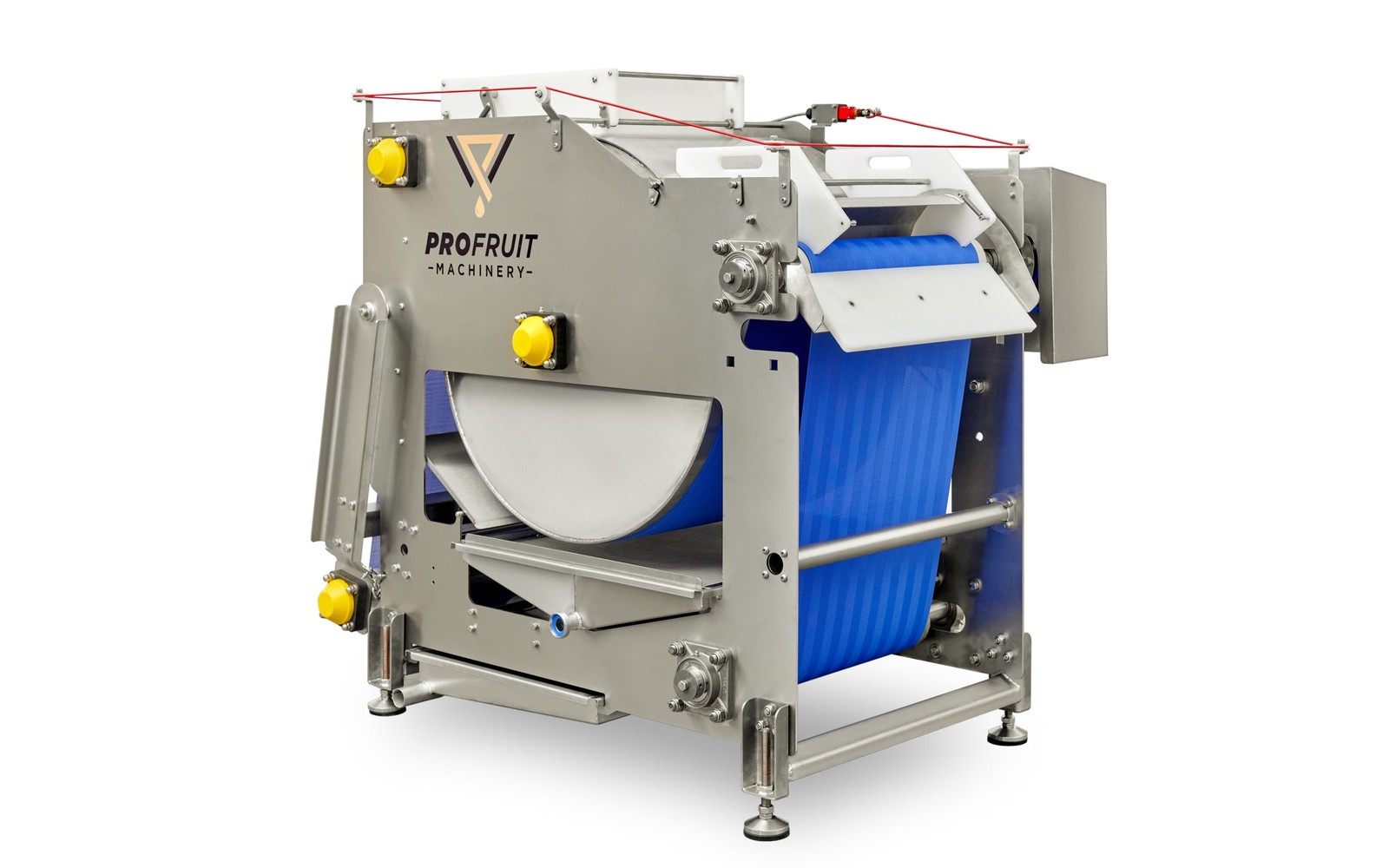
Brands working with smoothie shops and scaling operations often need equipment well before their credit profile has fully recovered from an earlier setback. The equipment itself, a working centrifugal or cold-press unit with clear demand, is the argument the lender needs to see.
How to Strengthen a Bad-Credit Application
Several factors can offset a lower credit score and improve the probability of approval and the quality of the terms offered:
- Down payment. A 20 to 30 percent down payment reduces the lender's risk immediately and often moves a marginal deal into approvable territory. It also reduces the monthly payment, which matters when you are managing tight cash flow.
- Strong bank statements. Three months of business bank statements showing consistent revenue deposits and healthy average daily balances tell a better story than the score alone. A business running $40,000 to $60,000 per month through the account with minimal overdrafts is a fundable business at many lenders.
- Equipment quality. Choosing to finance well-known equipment from established manufacturers like Zumex or Goodnature rather than a no-name alternative is not just a production decision. It is a collateral decision that the lender cares about.
- Co-signer or co-borrower. A business partner, investor, or family member with stronger credit can sign alongside you on the deal, widening the program access significantly. This is a common path for founders with credit damage who have a creditworthy partner willing to participate.
If your score is temporarily depressed and you can wait three to six months, resolving open collections, reducing credit utilization below 30 percent, and catching up any late accounts can move a score enough to open meaningfully better programs. The interest savings over a four-year term often justify the wait.
When Traditional Equipment Financing Does Not Work
Borrowers who cannot qualify for conventional equipment financing at any tier may have a path through a sale-leaseback on equipment they already own, which puts cash in hand without requiring a new credit approval on the same profile. Alternatively, a application-only financing program with a meaningful down payment sometimes works where a fully underwritten deal does not, because the lower advance rate reduces the lender's exposure enough to absorb the credit risk.
Operators considering used equipment have another angle: a used equipment financing deal on a lower-cost machine can be structured with a smaller total balance, which some lenders find more manageable at lower credit profiles than a larger deal on new equipment.
Let's Talk About What Is Actually Possible
Share your credit range, your revenue, what equipment you need, and whether you can bring a down payment. We will tell you honestly what programs are available and what they cost before anything goes to a lender.
Related Financing Paths
Common Questions on Bad-Credit Equipment Financing
Straight answers before you send the equipment file.
What is the lowest credit score that can qualify for equipment financing?
There is no absolute floor, but most specialty lenders who work with distressed credit need to see at least 550 to 580 FICO with compensating factors: a meaningful down payment, strong revenue, and equipment with clear resale value. Below 550, the deal is very difficult to place with any conventional lender.
Will applying hurt my credit score?
Hard inquiries from equipment financing applications do affect your score, typically by a few points. We do a soft pull assessment first to evaluate your profile before placing the application with lenders, which minimizes the number of hard inquiries. We do not blast your application across dozens of lenders.
Can I refinance to better terms once my credit improves?
Yes, and this is a common strategy. Close the deal now at the terms available, run the equipment for 12 to 18 months with on-time payments, let the score recover, and refinance into a better rate. The on-time payment history on the original loan itself helps rebuild the profile.
Does business credit matter, or only personal credit?
Both matter, but personal credit carries more weight at most lenders, especially for businesses under five years old. A strong business credit profile can help offset a personal score in the 640 to 680 range. Below 620, personal credit becomes the dominant variable regardless of the business file.
Are there programs that do not require a personal guarantee?
No-personal-guarantee programs exist for very strong businesses with long histories and high revenue, not for B or C credit borrowers. At sub-700 credit, a personal guarantee is essentially universal. It is the lender's protection given the higher risk profile.
Ready to Finance Bad-Credit Equipment Financing?
Send the equipment quote, seller, transaction size, and target timing. The financing desk will review the package and return a clear next step.