Equipment Refinancing
Refinance existing juicing equipment to lower your monthly payment, extend your term, or pull equity out as cash. Starts at $50k. Fast approval for beverage.
You took on the original financing when rates were higher, when the lender options were fewer, or when you needed to move fast. Now the business has history, the equipment is proven, and the original terms feel like they belong to a different season. Equipment refinancing lets you replace that note with something better, whether the goal is a lower monthly payment, a longer term to free up cash for your next batch expansion, or an earlier payoff on a rate that no longer makes sense.
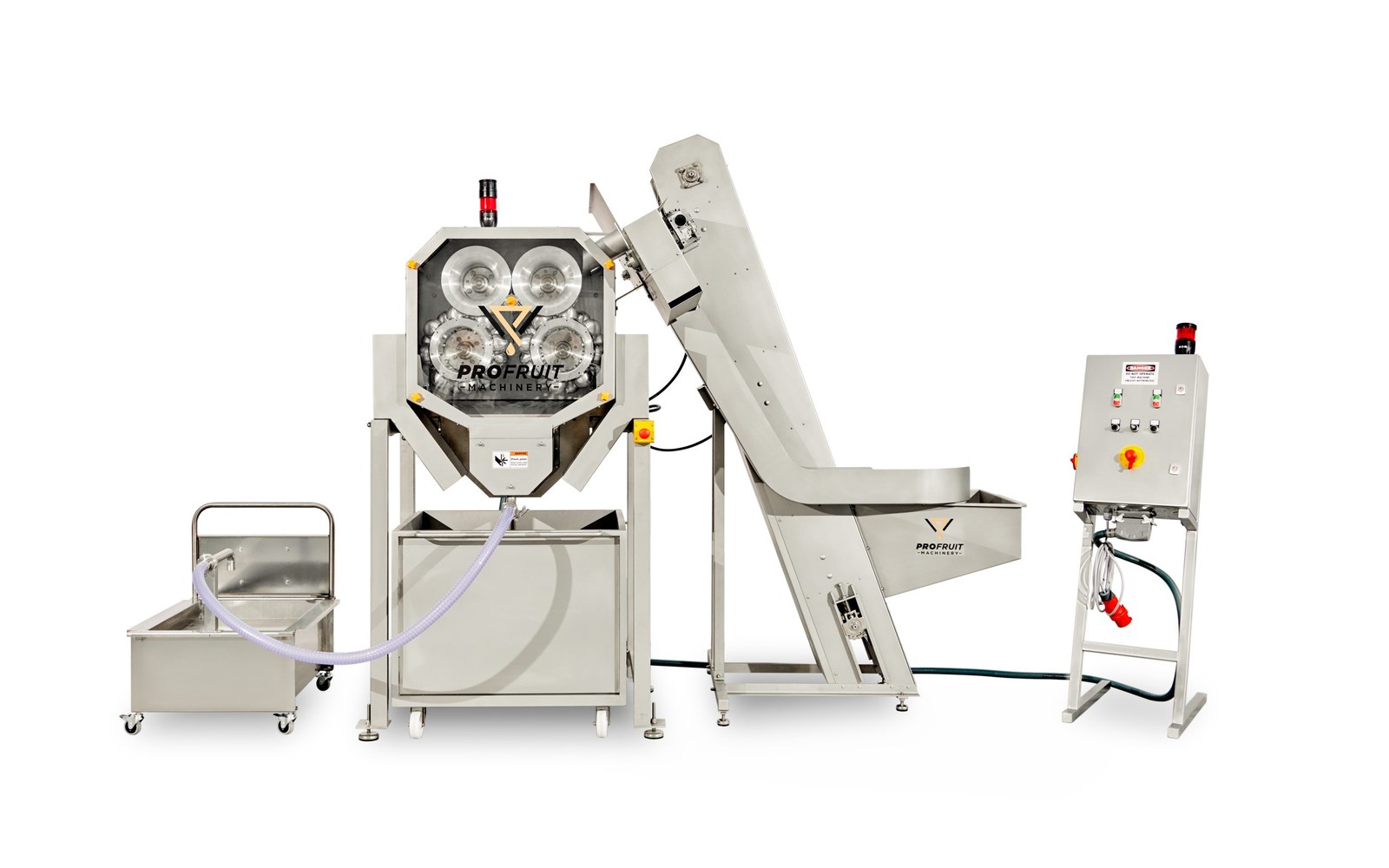
We refinance cold-press lines, HPP machines, filling and capping systems, pasteurizers, and full juice production lines for brands at every stage. If you have a balance remaining on a piece of production equipment and the original terms are slowing you down, that is a refinanceable situation.
How Equipment Refinancing Works
Refinancing replaces your current loan or lease obligation with a new one. The new lender pays off the old balance, takes a lien on the equipment, and sets you up on revised terms. The process is similar to closing a new loan, but faster because the equipment already exists and the appraisal question is often simpler than on a new acquisition.
The key inputs are the equipment's current fair market value and the payoff amount on your existing note. If the value exceeds the payoff, you are in an equity position and have options including a cash-out refinance that lets you pull that equity as working capital while continuing to use the machine. If the payoff exceeds the value, you are underwater, and refinancing requires either covering the difference or finding a lender comfortable with a higher loan-to-value ratio.
When Refinancing Makes Sense
Not every equipment note is worth refinancing. The decision turns on a few concrete factors:
- Your rate is significantly above current market. If you closed the original deal in a high-rate environment or with a limited credit profile and your business has since matured, a refinance can drop the effective cost of the debt meaningfully.
- Your payment is too high for current cash flow. Extending the term spreads the remaining balance over more months, lowering the payment even if the rate does not change dramatically. For a juice brand managing tight seasonal cash flow, that lower fixed obligation matters.
- You want to consolidate multiple equipment notes. Running three or four payments on separate machines is an administrative headache and often inefficient from a rate standpoint. A single refinanced facility simplifies the stack.
- You need equity without selling the equipment. If your press, your filler, or your HPP unit is worth more than you owe, a cash-out refinance frees that margin for raw materials, a new SKU build, or a marketing push without disrupting production.
Brands working with beverage manufacturers or co-packing operations often refinance as they grow, because the original financing secured equipment before the business had track record and the terms reflected that startup risk.
What We Need to Underwrite the Refinance
The documentation package for a refinance is straightforward. We look at the payoff statement from your current lender, the original equipment invoice or appraisal, three months of business bank statements, and basic business information. For most deals under $400,000, that is the full package.
Your credit profile matters, but a refinance is not held to the same scrutiny as a startup loan because the equipment is already deployed, already generating revenue, and already has a payment history. A borrower who has made 18 months of on-time payments on the original note has demonstrated ability to service the debt, which helps even when the business credit score is in B-credit territory.
If your original financing was vendor-arranged or came through a dealer at high rates, those are often the easiest refinances to close because the original terms were priced for convenience rather than competition.
Related Options to Consider
If the goal is purely a lower monthly payment without pulling cash out, a straight refinance is clean and simple. If the goal involves accessing equity, compare the refinance to a Sale-Leaseback, which can generate more cash in some scenarios depending on how the equipment is valued.
Brands that are adding equipment at the same time they are refinancing often bundle the transaction: refinance the existing note and finance the new machine together into a single facility. That approach reduces the number of lender relationships and can improve terms on the new acquisition by demonstrating the full equipment portfolio and its operating history.
If you are also evaluating your tax position, refinancing that resets the depreciation clock can interact with your Section 179 or bonus depreciation strategy. Run those numbers with your CPA before closing.
Refinance Your Equipment Note
Share the equipment description, the approximate payoff balance, and what you are looking to accomplish. We will find the best available terms and walk you through the comparison with your current note before you make any decision.
Related Financing Paths
Common Questions on Equipment Refinancing
Straight answers before you send the equipment file.
Can I refinance a machine I still owe on?
Yes. The new lender pays off the existing balance at closing. As long as the machine's value supports the remaining debt, refinancing is a standard transaction. If you are slightly underwater, some lenders will still refinance with a modest cash contribution at closing.
Does my original lender have to approve the refinance?
No. You simply request a payoff statement from your current lender, which they are required to provide. The new lender pays that amount at closing and takes over the lien. Your original lender does not have approval rights over your decision to refinance.
Will refinancing hurt my credit?
A credit inquiry occurs during underwriting, which has a small temporary effect. Once the old note is paid off and the new one reports, most borrowers see a neutral to positive net effect because the account history on the paid-off note remains and the new note starts clean.
How long does a refinance take?
Equipment refinances for deals under $400,000 with clear documentation often close in five to ten business days. The payoff coordination with your current lender is usually the longest step, not the new underwriting.
Can I refinance leased equipment?
If you are in a dollar-buyout lease close to the end of term, you can refinance the buyout amount into a loan at the term's end. True operating leases with a return option are handled differently, usually through a lease modification rather than a traditional refinance.
Ready to Finance Equipment Refinancing?
Send the equipment quote, seller, transaction size, and target timing. The financing desk will review the package and return a clear next step.