Juicing Equipment Financing in Detroit, MI
Finance cold-press juicers, bottling lines, and beverage production equipment in Detroit, MI. $50k minimum, B/C credit considered, fast approvals.
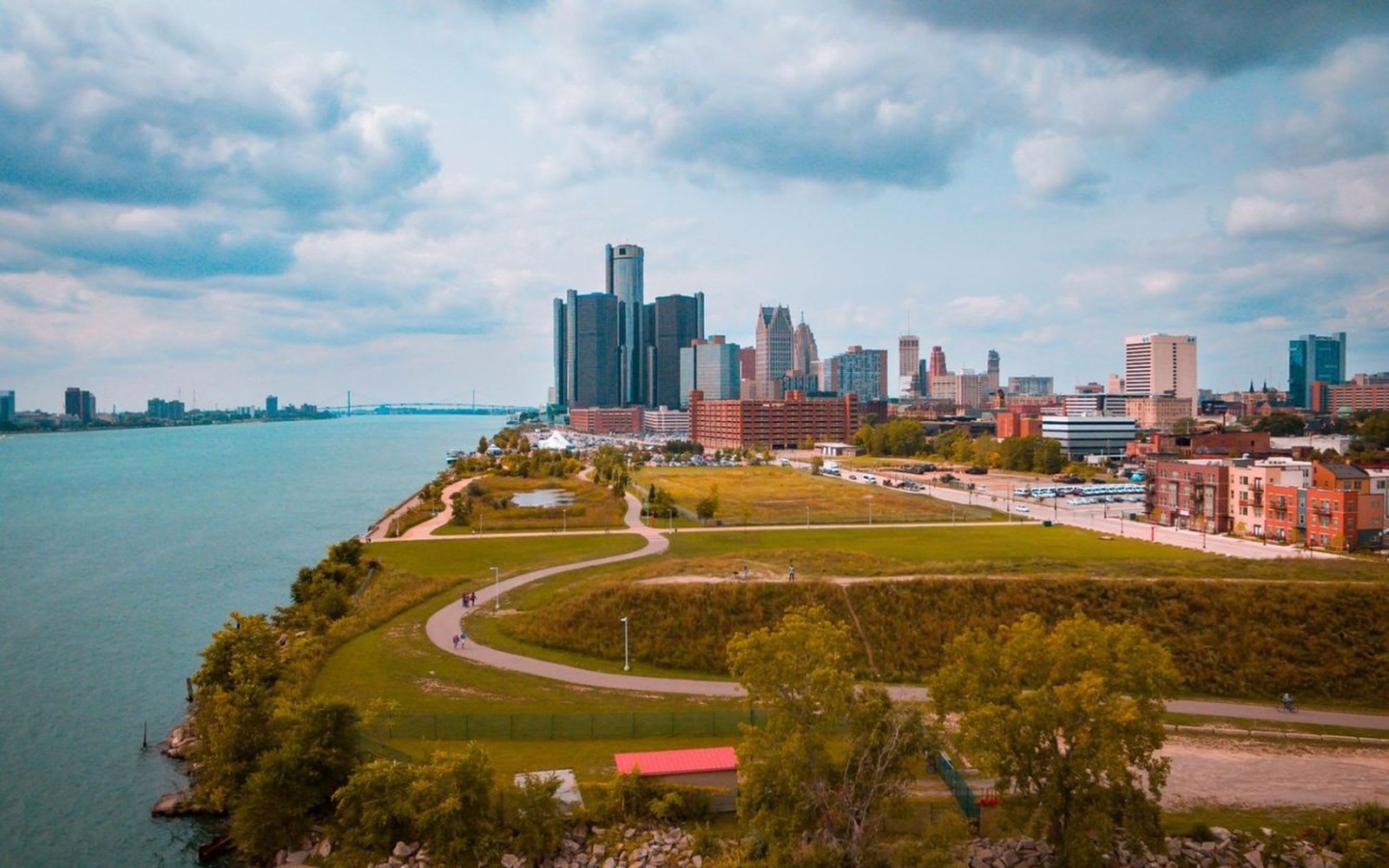
Detroit's food and beverage revival has been one of the most visible entrepreneurial stories of the last decade. Eastern Market, one of the country's oldest and largest farmers markets, anchors a specialty-food ecosystem that feeds locally owned grocery stores, restaurants, and direct-to-consumer brands across Wayne County and beyond. The Corktown, Midtown, and New Center neighborhoods have become hubs for food-and-wellness businesses, including juice bars, cold-brew operations, smoothie concepts, and functional-beverage startups looking to bring clean-label products to a market that has historically underserved health-conscious consumers.
We finance juicing and beverage production equipment for Detroit-area operators. The local story is compelling, the market is growing, and the equipment bill to serve it properly is real. Our minimum is $50,000, our sweet spot is $100,000 to $150,000 and above, and we work with both creditworthy businesses and operators whose credit history has some texture to it. Detroit entrepreneurs building authentic local brands deserve a financing partner who doesn't require a perfect application to say yes.
Detroit's Growing Wellness and Beverage Market
Eastern Market's Saturday market draws tens of thousands of visitors and serves as a launch pad for food and beverage brands that build loyal local followings before approaching retail buyers. The market's culture of direct producer-to-consumer relationships has incubated a number of juice and cold-press brands that have successfully moved into Whole Foods Michigan, Fresh Thyme, and the Detroit independent grocery network.
The city's ongoing population growth in certain neighborhoods, particularly as young professionals and returning Detroiters settle in Midtown, Corktown, and the neighborhoods along the Detroit Riverfront, creates demand for convenient, quality health-food options that weren't historically available at scale in the city proper. Juice bars, wellness cafes, and co-packed cold-pressed products are filling that gap, and the operators running those businesses are investing in equipment that matches real demand.
Michigan's agricultural production adds another dimension: state-grown cherries (Michigan is among the largest producers in the US), blueberries, apples, and asparagus give Detroit-based juice and beverage brands genuine sourcing stories that resonate with the health-conscious consumer segments they serve. A brand that sources Michigan tart cherry for a functional beverage or Michigan blueberries for a cold-pressed product can tell that story at point of sale, and the credibility of that story depends on having production equipment that processes local fruit properly.
Equipment Detroit Brands Are Financing
Cold-press production equipment is the most common request from Detroit juice operators scaling beyond in-store pressing. A production-grade commercial cold-press juicer capable of handling 50 to 200 gallons per hour costs $40,000 to $200,000 depending on throughput and automation. Detroit brands that have outgrown countertop or single-bag press setups are making this jump regularly, and the capital event is one we've structured dozens of times for brands at similar stages.
Brands pursuing retail shelf placement need either heat pasteurization or HPP. A HTST pasteurization system suitable for a 200 to 500 gallon-per-day operation costs $80,000 to $250,000, including heat exchanger, holding tube, and associated controls. That capital event positions a Detroit brand to sell into refrigerated sets with a 30 to 45 day shelf life that retail buyers require. We finance these systems for Michigan operators who have secured or are actively pursuing retail distribution.
Production support equipment, including a fruit and vegetable washing line, a peeling and cutting machine, and a clean-in-place (CIP) system, rounds out the production floor and is financed alongside the primary press and filler in most full-facility buildout deals.
How We Structure Detroit Deals
Application-only approvals handle most equipment deals up to approximately $400,000. You submit basic business and equipment information, and we return a decision in two to three business days. Funding follows within one to two weeks of approval. That timeline matters for Detroit operators competing for a piece of used equipment at auction or from a dealer who has multiple interested buyers.
Larger transactions, including full production line buildouts, HPP acquisitions, and multi-piece facility projects, go through a fuller underwriting process. Three months of bank statements and a basic P&L are the core requirements. Even those deals typically close in about two weeks from a complete submission.
Both equipment loans and equipment leases are available for Detroit operators. Loans keep the asset on your books and let you claim depreciation, which matters for tax planning. Leases can produce lower monthly payments and conserve working capital for ingredient purchasing and marketing. We'll lay out both options and let you decide with your accountant which structure fits.
Refinance and Sale-Leaseback for Detroit Operators
Detroit entrepreneurs who invested in equipment several years ago on rates that reflected a riskier business profile may be able to refinance those notes today at better terms. Equipment refinancing restructures the existing loan, reducing monthly payments and potentially pulling out equity if the equipment has appreciated or been paid down significantly. That freed cash flow goes directly to operating expenses, marketing, or additional equipment.
A Sale-Leaseback works for Detroit operators who own equipment free and clear and need working capital without taking on unsecured debt. The lender purchases the equipment and you lease it back, with the lease payment replacing what you would have paid on a new loan. You receive a lump sum equal to the financed value of the equipment, which goes to work immediately in the business.
Related Financing Paths
Common Questions on Juicing Equipment Financing in Detroit, MI
Straight answers before you send the equipment file.
I operate a juice bar near Eastern Market and want to start co-packing for three other Detroit brands. What equipment do I need to finance and what does that look like?
A co-packing operation needs a production-grade press, a commercial filling line, and sanitation infrastructure including a CIP system. Depending on the brands' volume needs, you might be looking at $150,000 to $400,000 in equipment. That range is well within our application-only financing path, and co-packer revenue from multiple brands strengthens the application compared to single-brand revenue.
My Detroit business has a Chapter 7 bankruptcy from six years ago on my personal credit. Can I still get approved for equipment financing?
A six-year-old bankruptcy is a factor but not necessarily disqualifying, particularly for collateralized equipment financing where the machine itself secures the loan. We'll look at what your credit looks like now, your bank statement cash flow, and the equipment being financed. Deals with older bankruptcy history close with us when the current profile is solid.
Can I finance a Michigan state-certified commercial kitchen buildout along with the equipment inside it?
Equipment financing covers the equipment inside the kitchen, not the leasehold improvements or construction. The press, filler, cold storage, CIP system, washing line, and similar items are all financeable. Construction costs require a different product, typically a small-business loan or SBA facility loan. We can handle the equipment piece and you find a lender for the build-out.
I want to finance a used Goodnature cold press I found from a Detroit restaurant group that is liquidating. How do I start?
Contact us with the details: the press model, the seller's name, the asking price, and the condition. We'll confirm the equipment qualifies and structure the financing. We pay the seller directly at closing. Private-party purchases like this are a normal part of our deal flow.
How does no-money-down equipment financing work, and do Detroit operators qualify?
No-money-down structures are available for well-qualified applicants, typically those with strong credit, established business history, and equipment with solid collateral value. Rather than a down payment, those deals are structured at a slightly higher monthly payment to offset the lender's increased exposure. Not every deal qualifies, but it's worth asking about when you apply.
Ready to Finance Juicing Equipment Financing in Detroit, MI?
Send the equipment quote, seller, transaction size, and target timing. The financing desk will review the package and return a clear next step.