Fruit & Vegetable Washing Line
Finance a commercial fruit and vegetable washing line with terms that match your production schedule. Fast approvals, $50k minimum, B/C credit considered.
Every batch starts at the washing line. Before a single orange goes into a press or a celery stalk reaches the blade, the produce has to come through clean, sorted, and ready. That sounds simple until you price a commercial bubble-wash and spray-rinse system with an infeed conveyor and a discharge belt, and you realize the washing line alone can run $60,000 to $150,000 or more depending on throughput capacity and produce type.
We finance fruit and vegetable washing lines for juice brands at every stage of growth, from the co-packer adding a second produce-prep line to the startup fitting out its first leased production space. Transactions start at $50,000, with a sweet spot landing between $100k and $150k, and we work with new and used equipment. B and C credit are both in play. Applications up to roughly $400,000 can move on application-only terms with three months of bank statements, and funding typically closes in one to two weeks.
What a Commercial Washing Line Actually Does
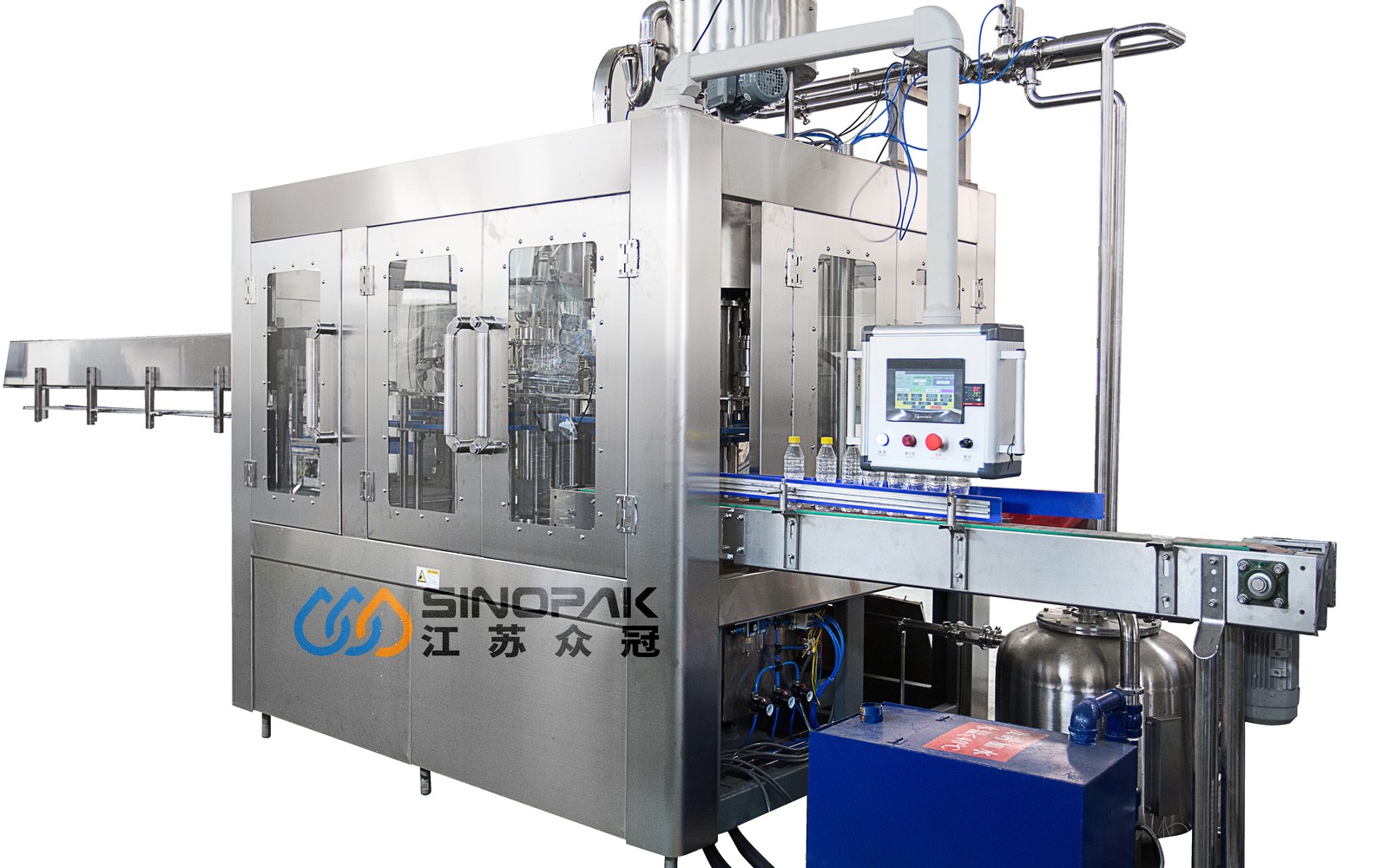
A produce washing system in a juice facility is not a single machine. It is a sequence: infeed table or elevator, bubble-wash tank (where turbulent water lifts surface contaminants), spray-rinse section, and an output conveyor that moves wet produce toward the next step, usually a peeling and cutting machine or directly to an extraction stage.
Bubble-wash tanks use compressed air injection to create turbulence that agitates produce without bruising. Spray rinse bars use clean municipal or filtered water, sometimes sourced through a reverse-osmosis water system, to finish removal of soil and residue. For brands processing leafy greens or root vegetables, some systems add a chlorine-dioxide or ozone treatment stage to meet food-safety targets.
Throughput capacity on commercial units is typically expressed in pounds per hour. Smaller units for craft juice bars and small co-packers run 500 to 2,000 lb/hr. Industrial-scale lines for juice manufacturers can move 5,000 lb/hr or higher and require a separate drain infrastructure. The configuration your facility needs depends heavily on your current SKU mix and where you plan to be in 24 months.
- Stainless-steel construction is standard for food-grade environments
- Variable-speed drives let you dial throughput to match press capacity
- Integrated water-recirculation systems reduce water cost per pound processed
- Sanitary design (crevice-free welds, sloped surfaces) supports daily CIP compliance
Who Finances a Washing Line
The most common buyers we see are cold-press juice brands scaling from farmer's-market production to retail distribution, and beverage co-packers adding a produce-prep line to serve a new juice client. Both situations look similar from a financing standpoint: the equipment cost is real, the payback comes through higher batch throughput, and tying up working capital in one machine limits flexibility on other line items like cold storage or a new press.
We also regularly see financing requests from juice manufacturers replacing aging produce-prep equipment. A line that was sized for 2,000 lb/hr five years ago is now the throughput ceiling at 4,000 lb/hr batch demand, and a refinance or trade-in scenario often makes more sense than a straight cash purchase.
Restaurant groups and hotel food-and-beverage operations building in-house juice programs show up less often but increasingly fit our minimum transaction size, especially when the washing line is part of a broader complete juice bar buildout package.
Typical Costs and How Financing Structures Fit
A standalone commercial bubble-wash and rinse system for a small juice brand runs roughly $60,000 to $90,000 new. Integrated lines with infeed conveyors, sorting tables, and high-capacity rinse sections for a full production facility push $100,000 to $175,000. Used or refurbished equipment can drop that number by 30 to 40 percent and still carry a serviceable remaining life of five to ten years, making used equipment financing a smart route for brands conserving capital for marketing and SKU development.
An equipment loan lets you own the line outright from day one and eventually pay it off free and clear. An equipment lease can keep monthly payments lower and gives you a predictable line item against your production budget. Which structure is better depends on your revenue seasonality, how you handle tax depreciation (a Section 179 election on a $100k washing line is worth knowing about), and whether you expect to upgrade the line within five to seven years.
How Fast We Close
We work on a simple intake: a completed credit application, three months of business bank statements, and the equipment quote or invoice. For transactions under roughly $400,000 we do not require full financial statements, which is the application-only threshold that most buyers of a single washing line fall under. Once we have the file, approvals typically come back within 24 to 48 hours. Funding closes in about one to two weeks from approval, depending on how quickly vendor documents come back.
If you are buying used equipment through a private seller rather than a dealer, we can still structure the deal. Private-party transactions require a clear equipment description, serial number, and a fair-market-value appraisal or dealer comp, but the process is the same.
Start Your Washing Line Financing
Tell us the equipment, the asking price, and where the line will live. We will put together terms that match your batch schedule and your growth plan. Approvals move in days, not weeks.
Related Financing Paths
Common Questions on Fruit & Vegetable Washing Line
Straight answers before you send the equipment file.
Can I finance a washing line that is part of a larger equipment package?
Yes. We can structure a single facility transaction that includes the washing line, peeling and cutting equipment, a press or extractor, and cold storage under one agreement. Bundling often makes approval simpler because the overall collateral picture is stronger.
My business is less than two years old. Can I still get approved?
Startups are considered. We look at the owner's personal credit profile, the equipment's collateral value, and the business revenue trend. A stronger personal credit score (680 or above) and a credible business plan improve the odds considerably, though B and C credit situations are reviewed on the full picture.
Is a used washing line from a food-equipment reseller financeable?
Typically yes, provided the equipment is in operating condition and the seller can furnish a basic condition report or inspection record. Age, stainless-steel grade, and prior food-safety certifications all factor into how we assess the collateral.
How does refinancing a washing line I already own work?
If you own the equipment outright and it has been in service less than roughly ten years, we can appraise it and do a cash-out refinance. The cash goes back into your business, and you make structured payments on the equipment's equity. This is sometimes the fastest route for a brand that needs working capital but does not want a short-term lender at a punishing rate.
What if the vendor I am buying from is overseas?
Cross-border equipment purchases add a documentation step, but we handle them. You will need a commercial invoice in U.S. dollars, import clearance confirmation, and evidence of shipping insurance. The timeline may extend by a week or so to accommodate customs.
Ready to Finance Fruit & Vegetable Washing Line?
Send the equipment quote, seller, transaction size, and target timing. The financing desk will review the package and return a clear next step.