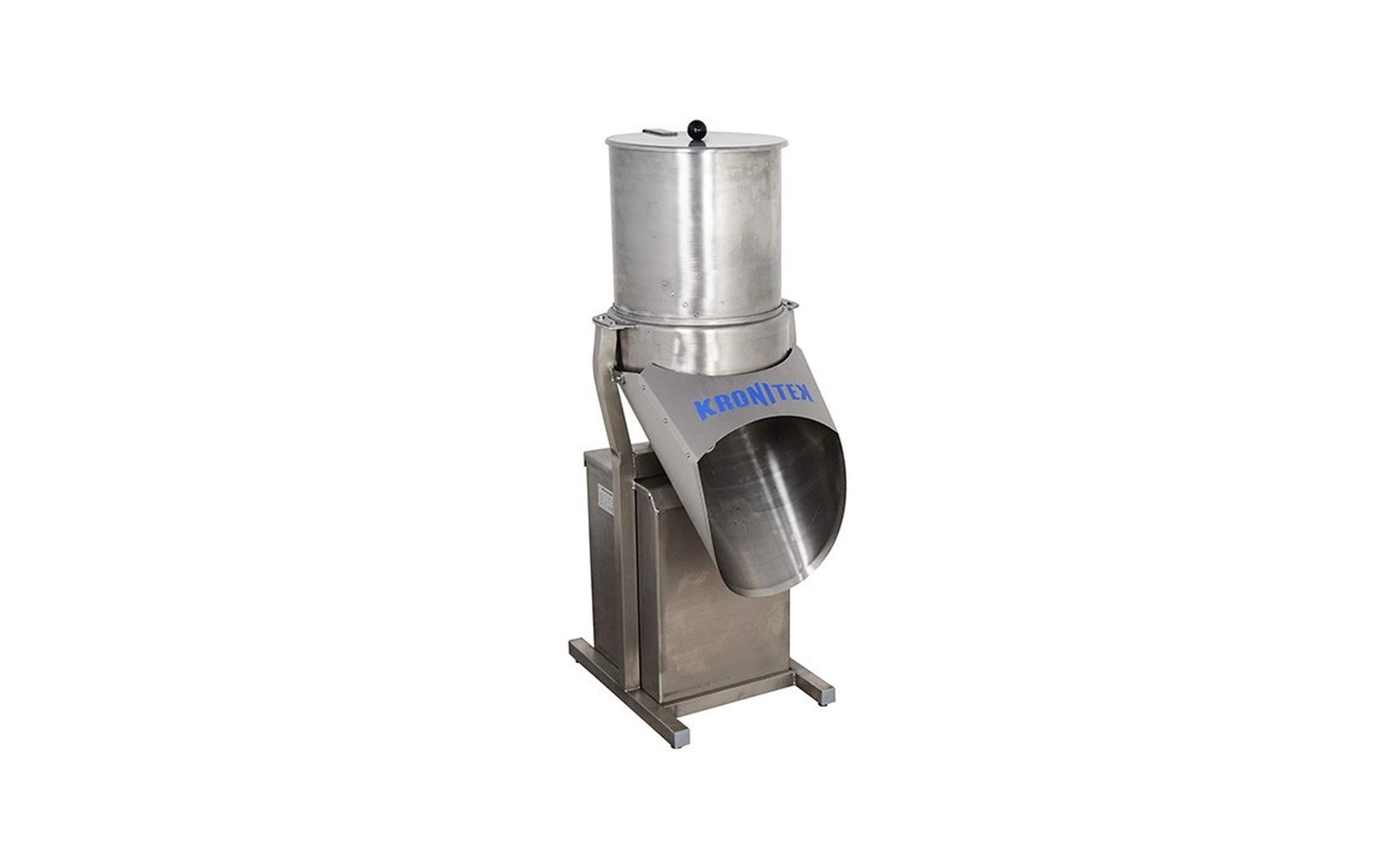
Peeling and Cutting Machine
Finance commercial peeling and cutting machines for juice production. Fast approvals from $50k, B/C credit welcome, closing timed to the beverage-equipment package.
Throughput at the peeling and cutting stage sets the ceiling for everything downstream. If the prep machine can process 800 pounds of ginger and beets per hour but the press can handle 1,400, you are running your most expensive piece of equipment at 57 percent of capacity. Solving that gap means upgrading your peeling and cutting line, and that machine is more expensive than most brands expect, typically $40,000 to $120,000 for a commercial-grade unit with automatic feed and adjustable cut geometry.
We finance peeling and cutting equipment for juice operations at every scale. Our minimum is $50,000, the sweet spot for most buyers sits landing between $100k and $150k when the machine is part of a broader produce-prep upgrade, and we consider new and used equipment. B and C credit profiles are reviewed on the full picture, not just a score. Applications up to roughly $400,000 move on application-only terms with three months of bank statements, and funding closes in about one to two weeks.
Machine Types and What They Handle
Commercial peeling machines come in two primary configurations for juice applications: abrasive-drum peelers and pressure-peelers. Abrasive drums use a rotating silicon-carbide or carborundum drum surface to remove thin-skinned produce, ideal for carrots, beets, potatoes, and ginger. Pressure-peelers (batch-type) heat the produce briefly with steam, then flash-release the pressure, which lifts the skin without significant product loss. Pressure-peel is common in higher-volume operations processing softer produce like peaches or tomatoes destined for a pulp extraction system.
Cutting machines pair with peelers in a modular sequence. Industrial dicers and slicers use rotating blade heads to produce consistent pieces, which matters for press efficiency: uniform cut geometry means more even pressure distribution and better yield per press cycle. Cutting head configurations are typically interchangeable, letting you switch from a 3/8-inch dice to a coarse shred by swapping the blade insert, usually in under 10 minutes.
Capacity ranges for commercial units are wide. A table-top prep machine handles 200 to 400 lb/hr and costs $8,000 to $25,000, which sits below our minimum. Floor-standing automatic-feed models for juice production run $40,000 to $85,000. Fully integrated peel-and-cut lines with infeed hoppers, reject conveyors, and automated grading run $90,000 to $150,000 or more, placing most of our buyers squarely in a financed deal rather than a cash purchase.
- Stainless-steel housing and FDA-compliant blade materials standard for food-grade environments
- Variable-speed infeed lets you match throughput to the press behind it
- Tool-free blade changes reduce sanitation downtime
- Integrated belt or vibratory conveyors move peeled product toward the cutter automatically
Why Brands Upgrade Peeling and Cutting Equipment
The most common trigger is a press upgrade. A brand running a small hydraulic press buys a mid-volume commercial cold-press juicer or a centrifugal extractor and immediately discovers the prep station cannot keep up. The press sits idle during changeover, and idle press time is the exact opposite of batch growth.
The second trigger is food-safety compliance. Juice brands distributing through natural-grocery retailers often face a supplier audit that scrutinizes the produce-prep stage, looking for separation between soil-contact surfaces and finished-product areas, sanitizable equipment surfaces, and documented CIP records. Older prep equipment with wooden components or porous gaskets typically fails those audits. A new peel-and-cut line with crevice-free welds and documented sanitary design often resolves a compliance flag in a single equipment cycle.
A third pattern is geographic expansion. Brands shipping to a second city or launching through a co-packer's facility sometimes need a second peel-and-cut unit so production does not require moving equipment between locations. Financing lets both machines land simultaneously without a capital spike.
New vs. Used: What the Tradeoffs Look Like
Used peeling and cutting equipment trades at 35 to 55 percent of new price when blades and drive components are in good condition. For a brand with capital constraints, a used line at $50,000 versus a new one at $95,000 is a meaningful difference, especially when the difference gets redirected into cold storage or a second walk-in refrigeration system for finished product.
The risk on used equipment is blade wear and motor-drive condition. We recommend requesting a test run with your produce type before committing to purchase. We can finance used juicing equipment of this type from a dealer or a private seller; the documentation requirements are slightly different for private-party deals but the rates and structure are comparable.
Related Financing Paths
Common Questions on Peeling and Cutting Machine
Straight answers before you send the equipment file.
Can I finance a peeling machine and a cutting machine as one transaction?
Yes. If they are from the same vendor on one invoice, it is straightforward. If they are from different sources, we can still put them on one agreement, but we need separate quotes and may need to treat them as a multi-asset transaction. Tell us the full equipment list upfront.
The machine I want is imported. Does that create a financing problem?
Not usually. We finance imported equipment regularly. You will need a U.S.-dollar invoice, confirmation of import clearance, and shipping insurance documentation. Add roughly a week to the normal timeline to account for freight and customs documentation.
Can I refinance a peeling machine I already own to pull out cash?
If the machine is less than roughly eight to ten years old and in operating condition, a cash-out refinance is possible. We assess the current market value of the equipment, lend against a portion of that equity, and you get the cash to deploy elsewhere in the business.
My credit score is in the 580-620 range. What are my options?
B and C credit deals close with us regularly. A lower score typically means a higher rate and sometimes a personal guarantee, but it does not automatically disqualify the application. We look at revenue trend, time in business, and the collateral value of the equipment together.
How long is a typical loan term for this type of machine?
Most buyers choose 36 to 60 months. Shorter terms mean lower total interest cost; longer terms keep monthly payments manageable during a growth phase. We will model both scenarios and let you compare.
Ready to Finance Peeling and Cutting Machine?
Send the equipment quote, seller, transaction size, and target timing. The financing desk will review the package and return a clear next step.