Juicing Equipment Financing in Atlanta, GA
Finance cold-press juicers, HPP machines, and bottling lines in Atlanta. $50k minimum, B/C credit considered, funded in 1-2 weeks. Juice bars to full.
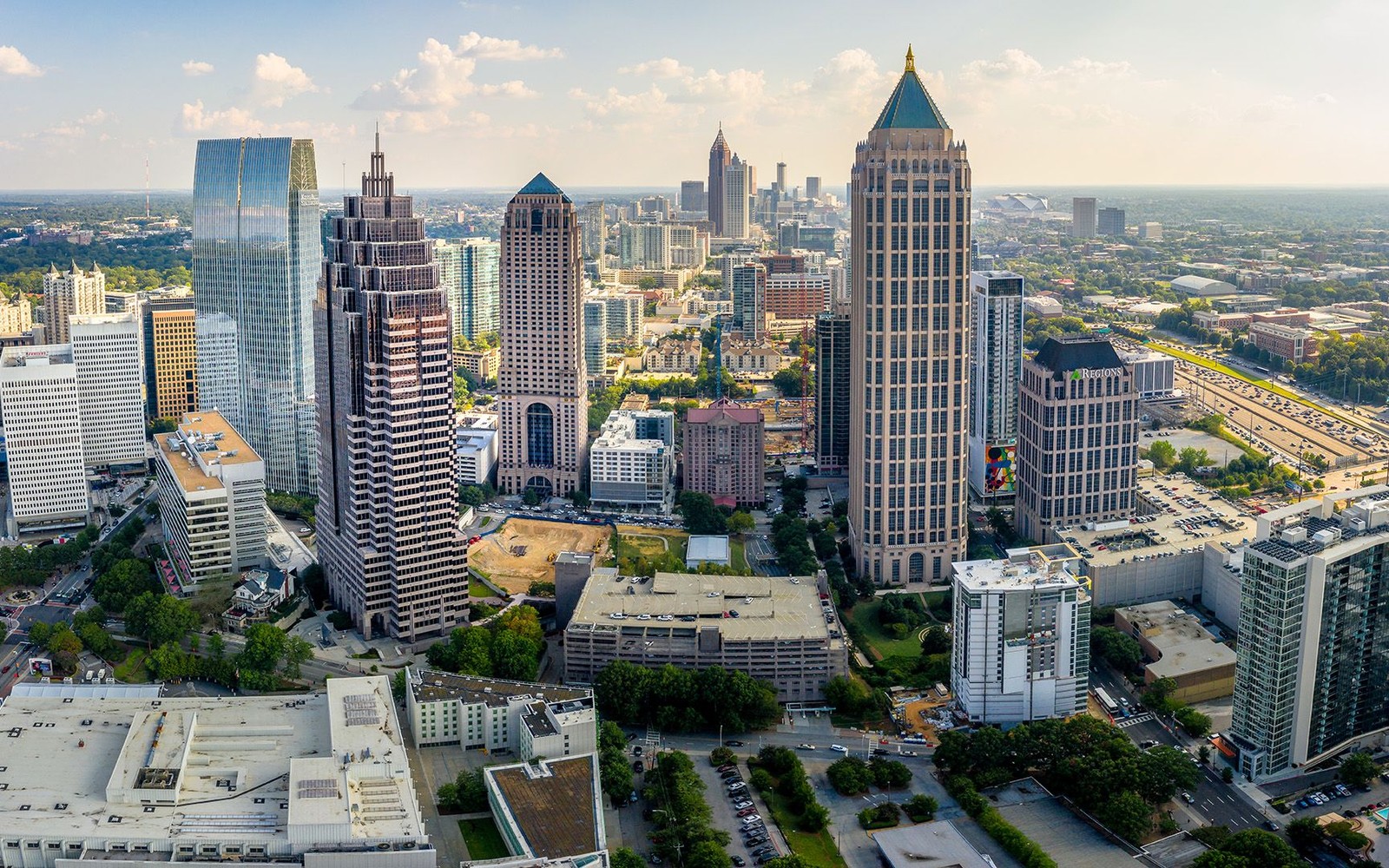
Atlanta's cold-pressed juice and functional beverage scene has been building for years, and by most measures it is now one of the strongest regional markets in the Southeast. The BeltLine has accelerated it, pulling foot traffic and wellness-oriented consumers through neighborhoods where juice bars and smoothie shops compete for the same loyal morning crowd. But the bigger story is what is happening upstream: Atlanta-based brands are moving off co-packer time, building their own production rooms, and shipping refrigerated product to Publix, Kroger, and Whole Foods across Georgia and the Carolinas. That production expansion requires equipment, and equipment requires capital.
We finance juicing and beverage production equipment for Atlanta operators starting at $50,000, with the practical center of our deal flow between $100,000 and $600,000. New and used equipment both qualify. Approvals come back within a few business days and funded deals close in one to two weeks. Tell us what you are building and we will structure it around your cash flow, not a rigid bank template.
Atlanta's Position in Southern Beverage Distribution
Atlanta is the regional distribution hub for the Southeast, a fact that matters enormously for beverage brands trying to achieve scale. UNFI's Southeast distribution center, KeHE's regional operations, and Publix's own distribution infrastructure all converge in or near the metro, which means a product produced in Atlanta can reach stores from Florida to Tennessee under a single distributor relationship. That distribution efficiency is why several nationally known food and beverage brands have chosen Atlanta for regional production facilities.
Hartsfield-Jackson Atlanta International Airport, the world's busiest by passenger count, drives significant hospitality demand. Hotels, airport food vendors, and the convention center complex around the Georgia World Congress Center represent a steady institutional buyer base for fresh-pressed juice brands that can supply at volume. Hotels and resorts in the Buckhead and Midtown corridors have elevated their food and beverage programs considerably in recent years, and fresh-pressed juice is a category they actively seek.
The city's startup food-and-beverage ecosystem is strong. The Goat Farm Arts Center, Ponce City Market, and Krog Street Market have all served as launch platforms for food brands that subsequently scaled into production. The Atlanta Small Business Development Center and a cluster of food-focused investors have supported the capital side. Where those programs end, production equipment financing picks up.
Equipment We Finance for Atlanta Juice and Beverage Producers
Atlanta deals cover the full arc of production equipment, from entry-scale commercial presses through large-format bottling and HPP installations.
- Cold-press juicers: Goodnature X-1 and M-1, Norwalk models, and Bucher hydraulic systems. Atlanta's premium juice segment is strong, and commercial cold-press juicers are our most frequently financed asset category in this market.
- High-pressure processing: HPP machines extend raw juice shelf life to 30-45 days and open retail channels that daily-fresh production cannot serve. Hiperbaric 300, 420, and 525 units handle the range from smaller-scale startup brands to mid-volume regional producers.
- Filling and bottling: Inline fillers, rotary fillers, capping machines, and labeling systems. For brands adding canned SKUs, canning line financing is available under the same program.
- Pasteurization systems: HTST systems for heat-treated lines aimed at conventional grocery placement.
- Cold storage: Walk-in refrigeration systems and blast chillers. Atlanta's climate means cold-chain integrity requires robust on-site infrastructure.
- Process support equipment: CIP systems, mixing tanks, and reverse-osmosis water systems for facilities where source-water quality affects product consistency.
What Financing Looks Like in Practice
Our minimum deal is $50,000. Most Atlanta equipment transactions land between $100,000 and $500,000, though full production-line installations for brands at regional scale run higher. Terms stretch from 24 to 84 months, with the right structure depending on the asset, the deal size, and the business profile.
For requests at or below approximately $400,000, an application and three months of bank statements typically close the underwriting cycle. We do not require full tax returns or audited financials as a baseline. The goal is a decision fast enough to be useful, not thorough enough to outlast your window on the equipment.
Structure options include:
- Equipment loans with title vesting from day one, enabling Section 179 expensing
- FMV leases that keep assets off-balance-sheet and allow upgrades at term-end
- Dollar-buyout leases that function like loans with built-in ownership
- Sale-leaseback arrangements for Atlanta operators who purchased equipment with personal capital and want to recover that investment while keeping the gear in production
For larger builds, we can bundle multiple assets, press, filler, labeler, refrigeration, and CIP, into a single financing arrangement rather than treating each as a separate transaction.
Related Financing Paths
Common Questions on Juicing Equipment Financing in Atlanta, GA
Straight answers before you send the equipment file.
I want to pitch Publix but my current press output is too low. Can equipment financing solve that problem?
Yes, that is exactly the scenario we fund. A larger press, a second press, or the addition of an HPP machine (to make your product shelf-stable long enough for a Publix stocking rotation) are all financed regularly. Bring the purchase quote and your current business documentation and we can give you a fast answer.
My Atlanta juice brand uses a co-packer and I want to bring production in-house. How do I structure that?
In-house production buildouts typically involve multiple equipment assets. We often finance these as a bundled package rather than piece by piece, which simplifies documentation and can produce better overall terms. We can finance equipment going into your own facility or into a leased production space.
Can I finance working capital alongside the equipment?
Equipment financing covers equipment. If you also need working capital for ingredients, packaging, or labor, that is a different product category. We focus exclusively on the equipment side. For working capital needs, we can sometimes refer you to complementary lenders, but the two are separate applications.
Is there any advantage to leasing vs. buying an HPP machine specifically?
HPP machines are expensive, technology-evolving assets. A FMV vs. dollar-buyout lease comparison is worth running before you commit. FMV leases can lower monthly payments and provide an upgrade path if Hiperbaric releases a more capable unit during your term. Dollar-buyout leases are better if you expect to hold the machine for many years and want eventual ownership.
My Georgia juice business has good sales but a rough credit history. What can you do?
Quite a bit. We look at the full credit picture, including the story behind any blemishes, and we weigh business cash flow heavily. Our bad-credit equipment financing program exists for situations exactly like this. The deal terms may reflect the credit profile, but we can often build a structure that works.
Ready to Finance Juicing Equipment Financing in Atlanta, GA?
Send the equipment quote, seller, transaction size, and target timing. The financing desk will review the package and return a clear next step.