Hotels and Resorts
Finance cold-press juicers, HPP equipment, bottling systems, and walk-in refrigeration for hotel wellness programs and resort juice bars. $50k minimum, 1-2.
A fresh-pressed juice at the breakfast buffet or a cold-pressed wellness shot at the spa counter signals something specific to a hotel guest: this property pays attention to details that matter. For resorts competing on guest experience, and increasingly for full-service hotels building out wellness programming as a revenue category, the juice and beverage bar has moved from amenity to expectation. The equipment that backs a credible program, commercial cold-press units, HPP machines to extend shelf life for room service and retail, refrigerated display for the lobby market, and prep equipment that handles daily fruit volume, represents a real capital commitment.
Hospitality operators know how to think about capital expense and amenity payback. The calculation here is straightforward: the press pays for itself in guest satisfaction scores, repeat bookings, and incremental F&B revenue. Financing keeps that spend off the cash position and on the balance sheet where it belongs. We fund equipment packages for independent hotels, resort properties, boutique brands, and full-service hospitality groups, with a $50,000 minimum and funding timelines that typically run one to two weeks from a complete application.
Wellness Programming Is Now a Revenue Line, Not a Perk
The hospitality industry has spent a significant portion of the past decade reclassifying wellness from an amenity into a business category. Spa revenue, fitness center utilization, healthy dining programs, and fresh-beverage offerings are now tracked as performance metrics at properties large enough to run dedicated wellness departments. That shift has consequences for equipment investment.
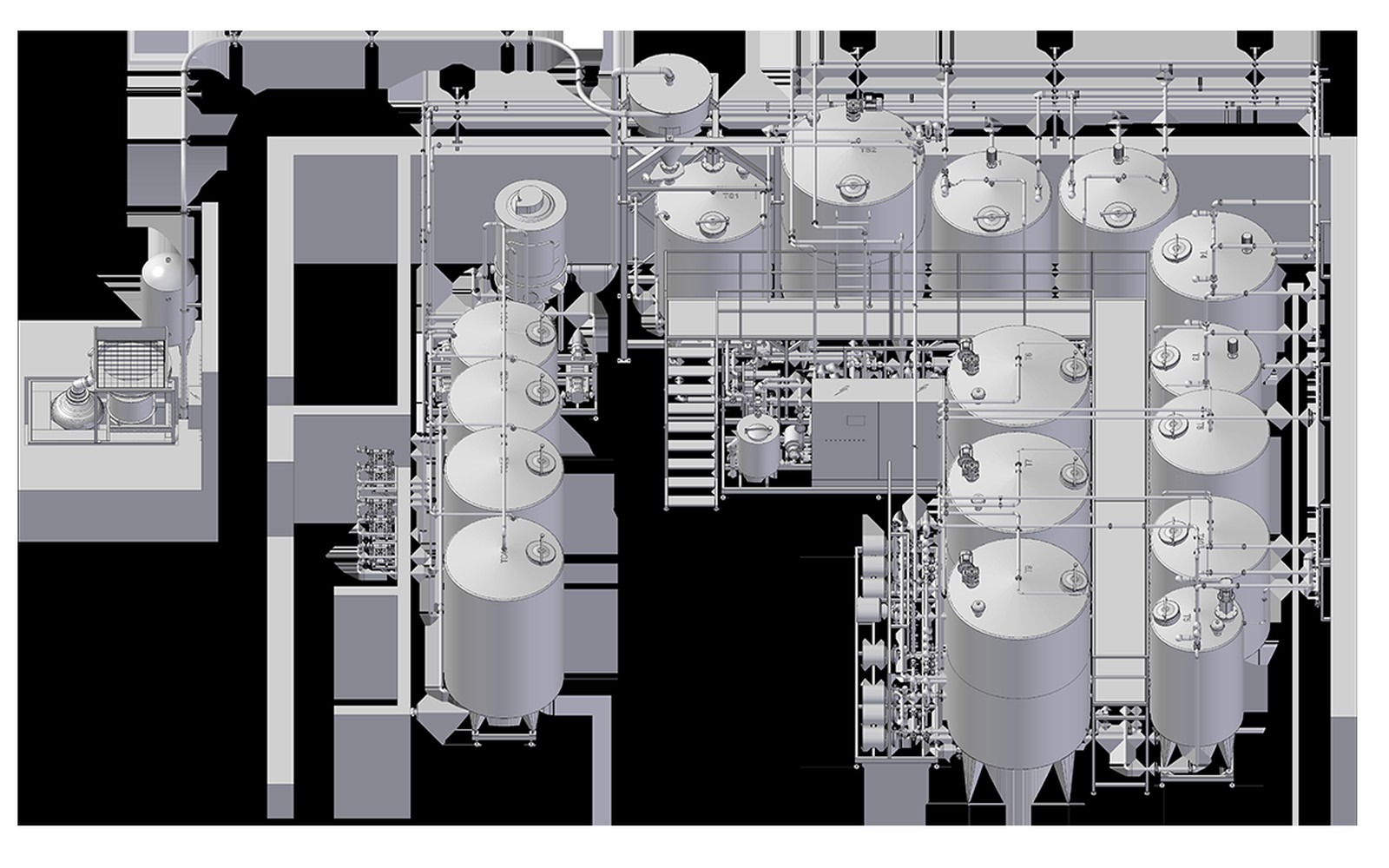
A resort operating a serious juice program, one that serves the spa, the breakfast service, the pool bar, and the lobby market simultaneously, needs production infrastructure, not a countertop juicer. Properties in this category often operate a commissary-style production area that presses and bottles product each morning for distribution across multiple service points on the property. That centralized production model requires the same equipment thinking as a small beverage brand: volume yield, shelf life management, temperature control, and packaging efficiency.
For hotels in competitive leisure markets, the quality of the juice program directly shows up in guest reviews, social media documentation of food and beverage, and the kind of word-of-mouth that drives direct bookings. That makes it a marketing investment as much as an F&B investment, and it means the return on equipment spend goes beyond the juice revenue line.
Equipment That Powers a Hotel Juice Program
The specific equipment mix for a hospitality property depends on how many service points are being supplied and what the shelf-life requirements are. A boutique hotel with a single wellness counter has a different setup than a 400-room resort running juice to the spa, the breakfast room, the pool bar, and in-room minibar stocking.
- Commercial cold-press juicers: The foundation. A commercial cold-press juicer with meaningful daily yield output is what makes a hotel program viable. Properties that need to press enough for multiple service points in a two-hour morning window need to think carefully about throughput per hour, not just equipment aesthetics.
- HPP for shelf-life extension: A high-pressure processing machine is what turns a daily-press operation into a program that can stock minibars, retail displays, and room service menus with product that holds safely for 30 to 60 days under refrigeration. For larger properties, this is the piece that unlocks scale.
- Bottling and labeling: A bottle filling machine and labeling machine that can produce branded, shelfable product elevates the program from a bar pour to a branded SKU. Properties that retail bottled juice through the lobby market or the spa boutique typically finance this as part of the core package.
- Walk-in refrigeration and cold storage: Multi-point distribution requires holding inventory. A cold-storage system or expanded walk-in keeps product organized and temperature-safe between production and service.
- Produce prep equipment: High daily volume requires upstream prep capacity. A commercial-grade washing and cutting setup reduces manual labor and speeds the morning production window considerably.
Financing Structures for Hospitality Equipment
Hotel and resort equipment deals have some structural characteristics that work in the operator's favor. Hospitality is a documented, long-operating industry with identifiable revenue, and properties that have been operating for two or more years typically have the financial history that lenders want to see.
Deals under roughly $400,000 are often approachable on an application-only basis, meaning the lender works from three months of business bank statements and basic business information rather than requiring a full financial statement package. That simplifies the process considerably for properties that have strong revenue but whose ownership entity is organized in a way that makes traditional document collection complicated.
For larger packages, particularly when a resort is investing in a commissary-scale production setup with an HPP unit, the deal goes through a standard document review. We pull together bank statements, recent tax returns, and a clear equipment summary, and we bring it to lenders who have done hospitality before and understand the asset class.
Structure options include term loans, equipment leases, and sale-leasebacks for properties that already own beverage or kitchen equipment and want to convert that equity into cash for a new installation. A refinancing arrangement on existing kitchen equipment can sometimes free up capital that funds the juice program without a new credit facility.
Using Existing Hotel Equipment as Leverage
Many established hotel and resort properties own significant kitchen, refrigeration, and beverage equipment outright, sometimes acquired years ago from a previous operator or through a capital improvement program that has since been fully depreciated. That equipment holds value, and a Sale-Leaseback converts it from idle equity into cash that can fund a juice program buildout.
In a sale-leaseback, the lender purchases the equipment from you at its current value, you receive that amount as a lump sum, and you continue using the equipment while making monthly payments. At the end of the term, you buy the equipment back at a nominal price. The structure lets you fund a new program without a new bank loan against the property, and payments are typically treated as an operating expense, which has favorable treatment on the income statement relative to a capital expense draw.
For resort properties that already have functional kitchen or refrigeration infrastructure and just need to add juicing and bottling capacity, this is often the most efficient path. The equity is already sitting there; the question is whether you use it.
Build the Wellness Beverage Program Your Guests Already Expect
Tell us what equipment your property needs and where your program is headed. We will put together structure options that fit the hospitality balance sheet and get you funded in about two weeks. The press you need is closer than you think.
Related Financing Paths
Common Questions on Hotels and Resorts
Straight answers before you send the equipment file.
Our hotel is owned by an LLC but managed by a separate operating company. Which entity applies?
The entity with operating revenue applies. Lenders underwrite against the business that generates cash flow, which is typically the management company or the operating entity, not the property-holding LLC. This is common in hospitality and lenders who work in the sector are familiar with the structure.
We want to finance a Goodnature or similar cold-press system plus an HPP unit at the same time. Is that one deal or two?
It can be one deal. Bundling related equipment into a single transaction is cleaner and often gets you a better rate than splitting it across two applications. The total ticket size on combined cold-press and HPP systems often puts you well into the range where a full document review is required, but one application covers both pieces.
Our property is seasonal and revenue drops significantly in the off-season. Does that hurt our chances?
Seasonal cash flow is a normal feature of resort and hospitality lending. Lenders who work in hospitality look at annualized revenue and understand that monthly deposits are uneven. Providing a full 12 months of bank statements is more important for seasonal properties than the standard three months, and it gives the lender a clear picture of the annual cycle.
Can a brand new hotel or a property that just changed ownership apply for juicing equipment financing?
New ownership situations are more complex because the operating history under the current entity may be short. We can still put together an application, and the lender will look at the prior property performance history, the new operator's experience in hospitality, and the quality of the business plan. A startup hotel with no prior history is a harder credit, but a property transitioning to new experienced ownership is different.
We already have some kitchen equipment we own outright. Can we use it to get cash for the juice bar buildout?
Yes, that is exactly what a sale-leaseback accomplishes. We identify the equipment you own free and clear, a lender buys it from you at current value, you get a lump sum, and you make monthly payments to continue using it. The proceeds can fund the juice bar equipment without adding a new unsecured credit line.
Ready to Finance Hotels and Resorts?
Send the equipment quote, seller, transaction size, and target timing. The financing desk will review the package and return a clear next step.