Rotary Filling Machine
Finance a rotary filling machine for high-speed juice or beverage production. Flexible terms, fast approvals, B/C credit considered. From $50k.
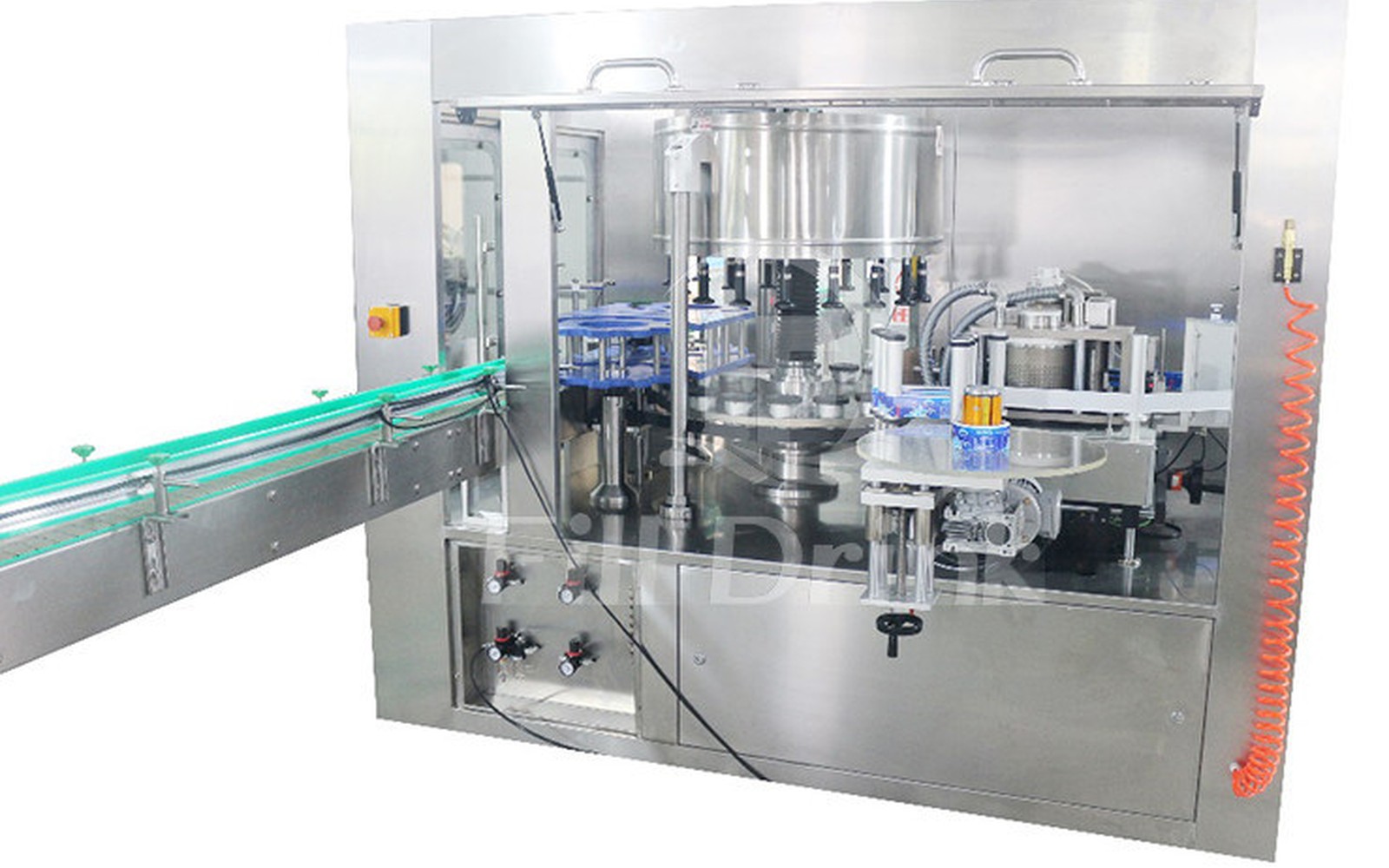
Volume is the only argument a rotary filler needs to make. Rotary filling machines move containers in a continuous circular carousel with multiple filling stations operating simultaneously, and the throughput numbers that result are what separate a regional brand from a national distribution program. A 40-head rotary filler running at capacity processes bottles at rates that an inline filler cannot approach, and for any brand with grocery distribution across multiple regions or a food-service contract measured in pallets per week, that throughput is not optional. It is the floor of what the business model requires.
Rotary filling machines for juice and beverage production are offered by all the major equipment manufacturers. Krones Modulfill systems, KHS Innofill configurations, and Accutek rotary platforms cover a wide range of throughput, container types, and fill technologies. New systems run from $150,000 for smaller rotary platforms to over $2 million for high-speed, multi-function beverage filling lines. Used systems trade at significant discounts and represent one of the most active segments of the used beverage equipment market. Equipment financing is the standard mechanism for bringing rotary capacity online at any point on that price spectrum.
Rotary Filler Configurations and Fill Head Counts
The throughput of a rotary filling machine is determined by three factors: the number of filling heads, the fill time per container, and the container handling speed of the carousel. A 12-head rotary machine running a short fill cycle can fill 200 to 300 bottles per minute. A 60-head machine with optimized container handling can fill 1,000 or more bottles per minute on certain product and container combinations. The fill-head count is the most common comparison point between models, though the product viscosity, container format, and fill accuracy requirements all affect what a given machine can actually achieve in practice.
Fill technologies on rotary machines include gravity, counter-pressure for carbonated products, volumetric piston, and net-weight filling. For juice products, volumetric and electronic flowmeter fills are most common because they deliver fill accuracy without the mechanical complexity of counter-pressure systems. Net-weight filling, where each fill is measured by weight rather than volume, is used for high-value products where exact fill quantity per container is a cost and compliance issue.
Integration with the upstream and downstream line is the key mechanical consideration. A rotary filler that is not matched in throughput to its upstream rinser or downstream capping machine creates a bottleneck that caps the effective output of the entire line. Buying a 60-head rotary filler while running a 20-head capper means the capper governs output, and the rotary filler's capacity advantage is wasted until the capper is upgraded. We factor this integration reality into conversations about financing a rotary filler versus financing a complete line upgrade.
Who Finances Rotary Filling Equipment
Juice manufacturers running regional and national distribution programs, beverage co-packers that fill for multiple brand clients at contracted throughput levels, and large multi-location juice bar chains producing house-branded products for distribution all appear in our rotary filler financing deals. The volume floor for justifying a rotary system is typically somewhere above 10,000 to 15,000 units per week in a single SKU, though brands with multiple SKUs on a shared line reach that justification faster because they spread the fixed cost across more revenue.
Emerging brands that have secured national retailer placement and need to build production capacity to serve it are a particularly urgent category. A purchase order from a national grocery chain is a meaningful supporting document for a rotary filler financing application, because it demonstrates that the throughput the machine produces has a named buyer. We have closed deals faster than standard timelines when buyers came with retailer agreements in hand.
Financing Terms for Rotary Fillers
Rotary filling machine deals almost always exceed the $400,000 application-only threshold. A standard rotary filler financing deal includes three months of business bank statements, a business tax return, the equipment vendor quote or appraisal (for used), and the purchase agreement. Terms on rotary filler deals typically run 60 to 72 months, with longer terms occasionally available for very large single-machine transactions.
An equipment lease is a common structure for rotary fillers when the buyer prefers off-balance-sheet treatment or anticipates upgrading to a faster machine within five years. Krones and KHS machines in particular retain strong resale value, which makes the residual value calculation in a fair-market-value lease more favorable than it would be for a less recognized brand. A lease with a meaningful FMV purchase option at the end of the term gives the buyer the right to own the machine at a price set at the beginning of the lease, which is a useful hedge if the machine's market value holds up or increases.
For operators refinancing a rotary filler they already own, a Sale-Leaseback is a clean capital-access structure. The machine stays on the floor, the cash goes to the business, and the leaseback payment reflects current rates and the machine's current value.
Related Financing Paths
Common Questions on Rotary Filling Machine
Straight answers before you send the equipment file.
Can I finance a used Krones rotary filler from a plant liquidation?
Yes. Used Krones, KHS, and Accutek rotary fillers from plant liquidations are eligible for financing. The key requirements are a verified equipment list with make, model, serial number, and condition documentation. An independent appraisal may be requested for high-value used machines where the purchase price lacks a current dealer invoice to establish market value.
We have a purchase order from a major grocery chain. Does that help the application?
A signed purchase order or supply agreement from a named retail buyer is a significant supporting document. It demonstrates concrete revenue tied to the production the machine enables. Include it with your application, along with any other contracts or distribution agreements that support the production volume.
Our rotary filler will fill glass bottles. Does the container format affect the financing?
Container format does not affect financing terms. What matters is the machine's value, your business credit, and the deal structure. A rotary filler configured for glass is financed the same way as one configured for PET. If the machine requires significant retooling for a different format in the future, that is an operational consideration, not a financing one.
What happens to the financing if we need to upgrade to a higher-speed machine in three years?
If you have a loan, you can refinance or sell the machine and pay off the loan with proceeds from the sale, then finance the new higher-speed unit. If you have a lease, a lease-end upgrade path may be built into the agreement depending on the structure. Planning for an upgrade at the time of the original deal lets us build in provisions that make the transition smoother.
Can the rotary filler and the rest of the line be financed as one package?
Financing the rotary filler and the full line, including upstream rinsing, downstream capping, and labeling, as a single package deal is common and often preferred. A single deal is simpler to manage and may support better terms at larger total size. Bundling works well when all the equipment is purchased from one source or from a coordinated multi-vendor setup.
Ready to Finance Rotary Filling Machine?
Send the equipment quote, seller, transaction size, and target timing. The financing desk will review the package and return a clear next step.