Section 179 Financing
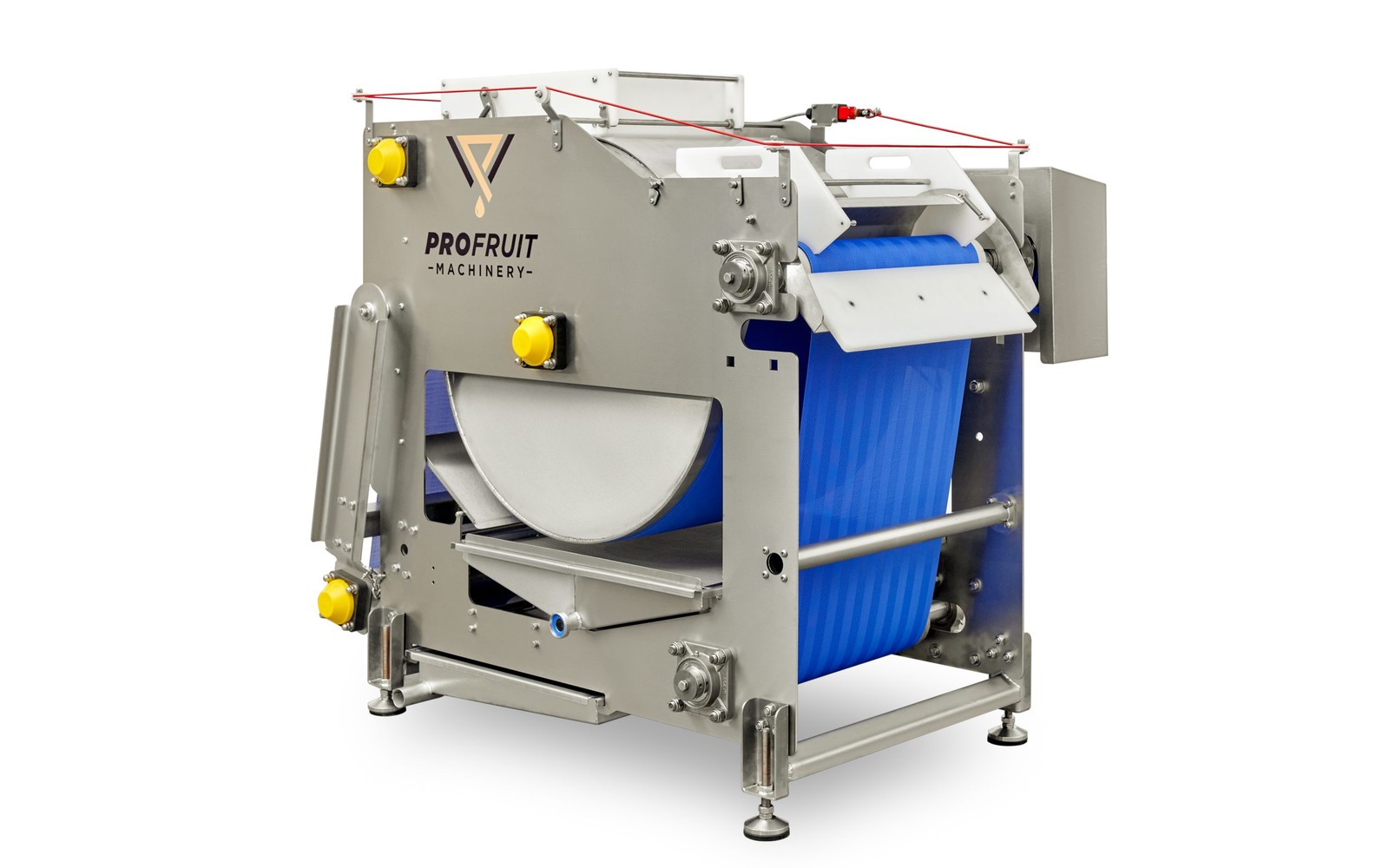
Use Section 179 to deduct the full cost of your cold press, HPP machine, or production line in year one, while financing the purchase over time. Starts at $50k.
The press goes in this month. The deduction happens this year. The payments spread out over the next four years. That is the structure that Section 179 financing makes possible, and for a juice brand that is growing fast enough to need the equipment now and smart enough to want the tax benefit while it is available, the combination is worth understanding before year-end arrives.
Section 179 of the Internal Revenue Code allows most businesses to deduct the full purchase price of qualifying equipment placed in service during the tax year, rather than depreciating it incrementally over the asset's useful life. The deduction reduces taxable income. The loan or lease payments let you spread the cash outlay. The two work together rather than against each other.
How the Deduction and the Loan Interact
Consider a $200,000 cold-press system financed over 48 months. Without Section 179, you might depreciate that equipment over five to seven years, taking roughly $28,000 to $40,000 in depreciation per year. With Section 179, you deduct the full $200,000 in year one. If your effective tax rate is 25 percent, that is up to $50,000 in tax savings realized this year, even though the loan payments continue for four more years.
That front-loaded deduction is particularly powerful for profitable beverage brands looking to reduce taxable income, or for founders who expect a higher-income year and want to bring the tax burden down. The deduction does not change the loan payment, the term, or the interest. It simply accelerates the tax benefit that ownership of the equipment would have generated anyway.
Equipment that qualifies for Section 179 includes most tangible personal property used in business: commercial cold-press juicers, filling and packaging systems, pasteurizers, refrigeration units, and production line equipment. Real property (the building itself) generally does not qualify, but qualified improvement property may.
Section 179 Limits and Phase-Out
The annual Section 179 deduction limit adjusts for inflation. For 2024 and 2025, the deduction limit is in the range of $1.22 million to $1.29 million for qualifying purchases. There is a phase-out that begins when total equipment placed in service exceeds approximately $3 million in a year, which matters more for large industrial operators than for most juice and beverage brands.
The deduction also cannot exceed your business's taxable income for the year. If the deduction creates a net operating loss, the excess carries forward to future years rather than being lost. This means a fast-growing brand with a breakeven or slightly profitable year gets limited immediate benefit from Section 179 and may be better served by financing the equipment and capturing depreciation over time.
Consult your CPA about the current year's specific limits and how the deduction interacts with your overall tax position. We are equipment finance specialists, not tax advisers, and the numbers change year to year.
Which Beverage Operators Benefit Most
Section 179 financing delivers the most value to:
- Profitable brands with meaningful taxable income. A juice brand showing $300,000 to $500,000 in net income before the deduction has real tax dollars to offset. The deduction translates directly into cash the business keeps this year.
- Operators buying near year-end. Equipment placed in service before December 31 qualifies for the current-year deduction. Closing a deal in November or December on a high-pressure processing machine or a bottling line generates a full-year deduction even if the equipment only ran for two months of the tax year.
- Brands replacing aging equipment. Swapping an older press for a new one and deducting the full cost of the new machine in year one accelerates the tax benefit while the business continues running production uninterrupted.
Brands working with beverage manufacturers at scale sometimes coordinate multiple equipment purchases into a single tax year specifically to maximize the Section 179 benefit across a larger capital spend.
Section 179 Versus Bonus Depreciation
Section 179 and bonus depreciation are related but distinct. Bonus depreciation allows a percentage-based first-year deduction on qualifying property and does not have the same taxable-income limitation that Section 179 does. The two can often be used together: apply Section 179 up to the income limit, then take bonus depreciation on any remaining basis.
For juice brands navigating significant equipment purchases in a profitable year, the interaction between these two deductions can be complex and is worth modeling with your CPA before closing the financing. Our bonus depreciation financing page covers how bonus depreciation works alongside equipment loans and leases.
The equipment loan remains the most common structure for Section 179 transactions because ownership of the equipment is required for the deduction to apply. Certain leases structured as conditional sale agreements may also qualify, but operating leases typically do not generate a Section 179 deduction for the lessee.
Finance Equipment and Capture the Deduction
Tell us what you are buying and when you need it in service. We will structure the financing so the equipment closes before year-end and you have everything you need to work with your CPA on the deduction. Most deals fund in one to two weeks.
Related Financing Paths
Common Questions on Section 179 Financing
Straight answers before you send the equipment file.
Does financing the equipment instead of buying it outright affect the Section 179 deduction?
No. You can take the full Section 179 deduction on financed equipment as long as you own the equipment (or hold it under a qualifying lease). You do not need to pay cash. The loan does not reduce or delay the deduction.
Can I take Section 179 on used equipment?
Yes. Used equipment placed in service for the first time in your business qualifies for Section 179. It does not need to be new. This is one reason used equipment financing and Section 179 are frequently combined, purchase price is lower and the full deduction is still available.
What if my business has a loss this year? Can I still take Section 179?
Section 179 cannot create or increase a net operating loss. If your taxable income is $80,000 and you take a $200,000 Section 179 deduction, your deduction is limited to $80,000 for this year. The remaining $120,000 carries forward to next year.
Does Section 179 apply to lease payments, or only to owned equipment?
Section 179 applies to owned equipment and to equipment held under certain conditional sale agreements that function like purchases. Standard operating leases where you do not have ownership rights do not qualify for Section 179 for the lessee. The FMV lease is the structure most commonly excluded.
When is the deadline to place equipment in service to get the current-year deduction?
The equipment must be placed in service (meaning operational, not just ordered or delivered) by December 31 of the tax year. Equipment that arrives but has not been installed and tested in operating condition by year-end may not qualify for the current-year deduction. Plan your closing date accordingly.
Ready to Finance Section 179 Financing?
Send the equipment quote, seller, transaction size, and target timing. The financing desk will review the package and return a clear next step.