Juicing Equipment Financing in Lancaster, PA
Finance commercial cold-press juicers and production equipment in Lancaster, PA. Minimum $50k. Short beverage files can approach $400k. Challenged credit is.
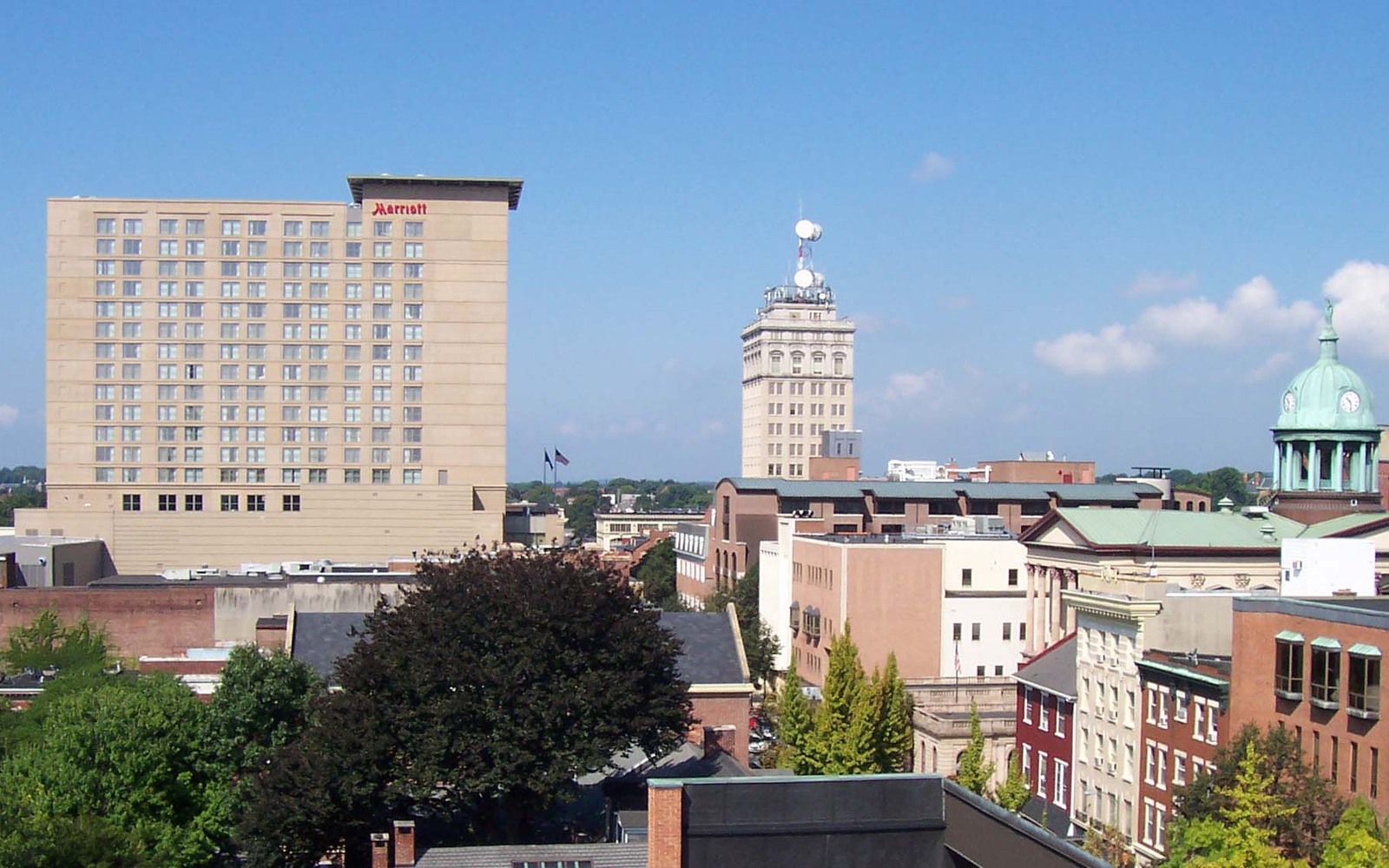
Lancaster County has some of the most productive agricultural land in the eastern United States, and that fact sits at the center of why the region is such a compelling location for juice production. Lancaster-area farms produce apples, peaches, strawberries, tomatoes, beets, carrots, and leafy greens at commercial scale, putting the raw materials for a premium juice line within a twenty-mile radius of any production facility in the county. That proximity means lower ingredient costs, shorter supply chains, and a genuinely local sourcing story that sells well in the Philadelphia, Baltimore, and DC retail markets that Lancaster producers regularly reach.
We finance the production equipment that turns that agricultural advantage into shelf-ready product: commercial cold-press systems, masticating juicers, bottling lines, pasteurizers, refrigeration buildouts, and packaging equipment. Deals start at $50,000, with most production-scale transactions running between $100,000 and $400,000 and above. Application-only processing handles most transactions in that range, and funding typically closes in one to two weeks.
Lancaster as a Juice Production Base
The agricultural infrastructure in Lancaster County goes beyond the farms themselves. The county has a network of produce packing operations, cold-storage facilities, and agricultural suppliers that support commercial-scale produce handling. For a juice producer, that means the logistical equipment for receiving, washing, and storing raw materials is a well-solved problem in this market in a way it is not in a pure urban setting.
Lancaster's location along the US-30 and US-222 corridors puts the facility within roughly 90 minutes of Philadelphia and Baltimore and about two hours from Washington, DC. Regional distributors serving those metros routinely work with Lancaster-area food producers, and the county's reputation for quality local food production carries genuine brand equity with health-conscious consumers in those markets.
The Lancaster food-and-beverage scene has grown to include several established craft producers, a strong farmers-market culture with retail touchpoints, and a tourist economy that includes specialty food retail as a draw. Specialty grocery retailers in Lancaster city and the surrounding towns are real distribution touchpoints for a brand getting started, before larger regional chain placement becomes the growth target.
Production Equipment for Lancaster Juice Brands
The most common equipment configuration for a Lancaster producer starting with owned production includes a commercial cold-press or hydraulic press system, a wash-and-prep line appropriate to produce volume, a small filling station, and adequate refrigerated holding. That complete setup often runs from $150,000 to $350,000 depending on throughput targets and whether the facility already has refrigeration infrastructure.
A fruit and vegetable washing line is a genuine capital item for operations handling raw produce at production scale. Proper wash and sanitization steps are required for food-safety compliance and reduce the microbial load before pressing, which matters for juice quality and shelf life. We finance wash-line equipment as part of the production package.
Brands that want to supply Philadelphia or DC retailers with a 30-to-45-day shelf-life product will need either HPP access or HTST pasteurization. An HTST pasteurization system is a significant capital item, but it enables distribution channels that cold-pressed-only product cannot access without HPP. For Lancaster producers targeting regional grocery at scale, the pasteurization investment often pays back quickly in account access.
Packaging equipment that handles the specific bottle format you are selling matters more than it might seem at first. A filler configured for 12-ounce round bottles may need modification or replacement for a 16-ounce square PET run. We finance capping machines and labeling equipment alongside the filling station to keep the packaging stage matched to the extraction capacity.
- Commercial cold-press and hydraulic press systems
- Fruit and vegetable washing and prep lines
- HTST pasteurization and tunnel pasteurizers
- Bottle filling, capping, and labeling equipment
- Walk-in refrigeration and blast chilling
Lancaster Operators Who Benefit from This Financing
Farm-adjacent producers who process juice from their own or neighboring farms are a natural fit. The raw material is already there; the financing fills the equipment gap between a farm operation and a branded beverage business. An Amish or Mennonite farmer transitioning surplus apple harvest into shelf-stable cider or fresh-pressed juice is a real scenario in Lancaster County, and we approach those applications with the same structure as any other beverage business.
Juice bars and smoothie shops in Lancaster city, Lititz, or Ephrata that are scaling from point-of-sale production to wholesale supply need production-grade equipment that their retail juicers cannot handle. The step from a countertop machine to a commercial hydraulic press is also a step from five-figure to six-figure equipment cost, and financing makes that transition manageable without drawing down operating cash.
Functional-beverage and cleanse-kit brands that sell regionally through meal-prep subscriptions or online channels are another active client type. Meal-prep and cleanse companies in the Lancaster area have built subscriber bases that require consistent production volume, and the equipment investment to serve those volumes reliably is exactly what our programs are designed to finance.
Terms and Structures Available
Equipment financing for Lancaster producers can be structured as a loan or a lease depending on your tax situation and preference for end-of-term ownership. A loan builds equity with each payment and ends with clear title to the equipment. A lease may offer lower monthly payments and, depending on the lease type, an option to upgrade equipment at the end of the term.
Term lengths for production equipment typically run 36 to 72 months. Longer terms reduce monthly payment, which preserves cash flow during the production ramp. Shorter terms reduce total interest paid and get you to owned equipment faster. We will present both options alongside each other so the comparison is clear before you choose.
An Section 179 financing structure may allow you to deduct the full cost of qualifying equipment in the year it is placed in service rather than depreciating it over its useful life. For profitable operations buying year-end, this can be a meaningful tax benefit. Confirm the specifics with your accountant, but we can structure transactions with 179 eligibility in mind.
Start a Lancaster Equipment Application
Lancaster's agricultural advantages are real, but they only pay off with the production capacity to convert them. Tell us what equipment you need and we will build a structure that fits your batch schedule and budget. Applications take about ten minutes.
Related Financing Paths
Common Questions on Juicing Equipment Financing in Lancaster, PA
Straight answers before you send the equipment file.
Can a farm-based business in Lancaster County qualify for juicing equipment financing?
Yes. Farm-based businesses that have been operating for at least several months with a business bank account and verifiable revenue are eligible. We evaluate agricultural-adjacent businesses the same way as any other food-production operation.
I want to add bottling to what is currently a farm-stand juice operation. Is my volume high enough to qualify?
If the equipment purchase is $50,000 or more and your business bank statements show cash flow that supports the payment, volume alone does not disqualify you. Many producers finance equipment in advance of the volume ramp they anticipate from having better production capacity.
Does the equipment need to be installed in Lancaster County specifically?
The equipment just needs to be in a location we can collateralize under Pennsylvania law. Lancaster County, Chester County, York County, and surrounding areas all work. If your facility is nearby but outside Lancaster County proper, that is not an issue.
Can I refinance my existing press and use the capital for a new bottling line?
A cash-out refinance on equipment you already own free-and-clear (or with significant equity) can generate capital you use for any business purpose, including buying additional equipment through a separate transaction or in cash. The two deals can run concurrently.
What documentation do you need from a Lancaster startup?
For a startup or early-stage business, we typically need the application, three months of bank statements, and a quote or description of the equipment. Startups may be structured under our startup financing program with terms that reflect the earlier business stage.
Ready to Finance Juicing Equipment Financing in Lancaster, PA?
Send the equipment quote, seller, transaction size, and target timing. The financing desk will review the package and return a clear next step.