Meal-Prep and Cleanse Companies
Finance cold-press juicers, HPP machines, bottling lines, CIP systems, and cold storage for cleanse and meal-prep delivery businesses. $50k minimum, funding in.
Every cleanse order that ships is a promise about what is in the bottle. Meal-prep and cleanse companies live on that promise, and the equipment behind it, from the press that extracts without heat to the HPP machine that locks in shelf life without preservatives, determines whether you can actually keep it at scale. The business model for a cleanse brand or a fresh meal-prep delivery company puts pressure on two things simultaneously: production throughput high enough to fill subscription orders, and cold-chain infrastructure capable of holding product safely from batch through last-mile delivery.
That production infrastructure is not cheap. A commercial cold-press juicer at meaningful yield, a filling line, HPP access or ownership, and the refrigeration to back all of it can put a cleanse company's equipment spend well above $150,000 before the operation is fully commissioned. Financing that spread, rather than funding it entirely from operating capital, is how most of these businesses scale without burning through the runway that keeps product development and customer acquisition moving.
Our minimum is $50,000 and our sweet spot is $100,000 to $150,000 and above. We fund in about one to two weeks from a complete application, and we consider B and C credit on a case-by-case basis.
The Production Equipment Stack for a Cleanse or Meal-Prep Brand
Cleanse and meal-prep businesses occupy an interesting position in the beverage and food production world: they often need industrial-grade production discipline on a startup or growth-stage budget. The equipment decisions made in the first production facility shape the ceiling on order volume, SKU diversity, and the economics of the business for years.
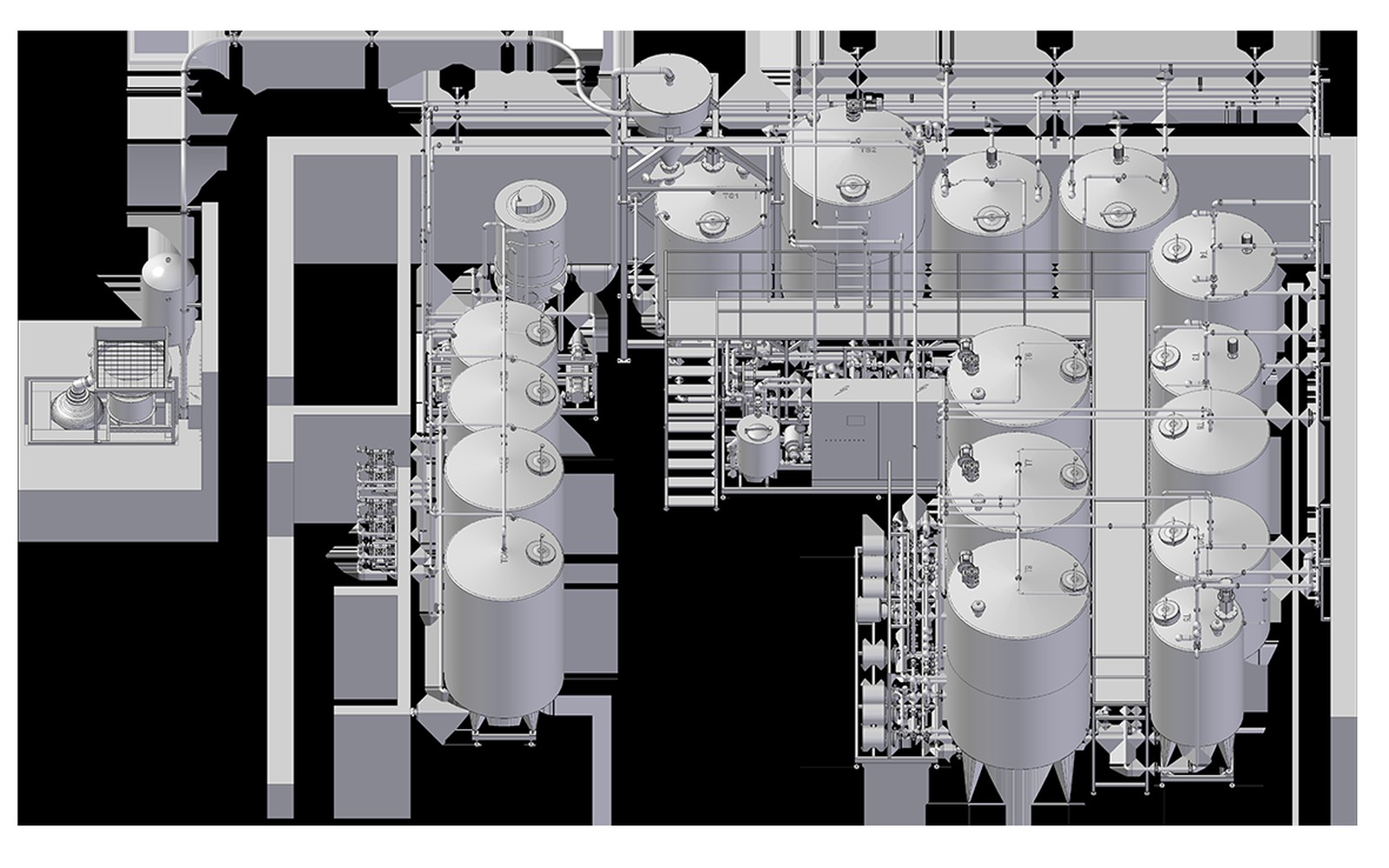
- Cold-press juicers at production scale: The press is the heart of the operation. For a company running three to six SKU cleanse programs at meaningful subscription volume, throughput per hour and yield efficiency directly determine labor cost and batch economics. A hydraulic press juicer or a high-capacity cold-press unit is the machine that most serious cleanse brands scale into as order volume grows.
- High-pressure processing: HPP is the technology that makes a three-day juice into a 45-day shelf-stable product without heat or chemical preservatives. For a delivery-based cleanse company managing multi-day programs, the ability to press several days worth of product, run it through HPP, and ship across a regional or national footprint is what separates a scalable subscription model from a local-only pickup business. A high-pressure processing machine is a major capital item, but the unit economics shift dramatically once you own the machine rather than paying toll rates per pound.
- Inline and rotary filling: Manual bottle filling does not survive high subscription volume. An inline filling machine is what keeps fill speed and consistency at a level where SKU output matches order demand without a corresponding explosion in labor hours.
- Clean-in-place systems: Cleanse companies produce food. A clean-in-place (CIP) system is the difference between a compliant FSMA-ready facility and one that depends on manual cleaning protocols that are hard to document and hard to audit.
- Cold storage and blast chilling: Batched product that is not immediately shipped needs to be held at temperature. A blast chiller drops product temperature fast after pressing or HPP, and adequate cold storage holds it safely through the fulfillment cycle.
How Fast Can a Cleanse Brand Get Funded
The timeline that matters most for a growing cleanse or meal-prep company is not the rate; it is the funding date. A subscription business that has built its order book and needs equipment to fulfill it cannot afford a six-week lender underwriting process. We work with lenders who move quickly on well-documented equipment deals, and most of our clients see a term sheet within a few business days of submitting a complete application.
For deals up to roughly $400,000, the application process often works on a simplified basis, three months of bank statements, basic business information, and the equipment quote or invoice. Above that threshold, particularly for cleanse companies investing in HPP or a full production line, lenders want to see business tax returns and a more detailed financial picture. That still moves faster than a traditional bank credit process.
Funding from approval typically takes about one to two weeks for straightforward deals, meaning the lender wires payment to the vendor and you take delivery. For operators trying to hit a launch window tied to a seasonal program or a subscription renewal cycle, that timeline gives you enough runway to plan accurately.
Cleanse Brands with Existing Equipment: Refinancing and Leaseback
Many meal-prep and cleanse companies start by buying used or entry-level equipment to prove out the model before committing to production-grade assets. Once the subscription base is real and the unit economics are clear, the production ceiling created by that early equipment becomes a growth bottleneck rather than a prudent investment.
A cash-out refinance on equipment the business owns outright, or a Sale-Leaseback on the existing press and refrigeration, can generate capital for an upgrade without taking on a second unsecured credit line. The business converts idle equity in the press into cash, uses it toward a higher-capacity system, and makes a single monthly payment that covers both.
For cleanse companies that have outgrown their production floor entirely and are moving into a larger facility, equipment refinancing can fund the new installation while the existing equipment serves as collateral. The timeline on that kind of deal depends on the state of the existing equipment and the new build scope, but we have structured these for growing beverage brands and know what lenders need to approve them.
If your company is working with a beverage co-packer now but wants to bring production in-house, financing the in-house equipment separately from the co-packing arrangement is the typical transition path, and we can help structure that bridge.
What Your Business Needs to Qualify
Cleanse and meal-prep companies vary enormously in size, from a founder running a local program out of a commercial kitchen to a funded startup with national subscription ambitions. Most of our deals start with a business that has been operating for at least six months and has verifiable monthly revenue from product sales, subscriptions, or a mix of both.
Startups with less operating history are a harder credit but not automatically out. If the founder has a relevant background, the business plan is clear, and there is some initial revenue to anchor the application, certain lenders will consider it. We work with a range of lenders and can often find a fit for earlier-stage companies that a single bank would turn away.
What makes an application stronger: consistent and growing revenue deposits, a clear description of what equipment you are buying and how it expands your production capacity, and vendor quotes or invoices for the specific equipment. The more the lender can see how the press or the filling line changes your economics, the more comfortable they are with the deal.
Section 179 and bonus depreciation are available for most equipment purchases made by cleanse and meal-prep companies. Section 179 financing lets you deduct the full purchase price of qualifying equipment in the year you place it in service, which changes the after-tax cost of the acquisition and should be part of any conversation with your accountant before you close.
Get Your Cleanse Production Scaled Without Burning Your Cash Position
The batch that fills your subscription orders is only as good as the equipment behind it. Tell us what you are building and what your order volume looks like. We will structure financing that fits the production model and gets you funded in about two weeks.
Related Financing Paths
Common Questions on Meal-Prep and Cleanse Companies
Straight answers before you send the equipment file.
We currently use a toll HPP facility. At what production volume does it make sense to finance our own HPP machine?
The break-even point depends on what you are currently paying per pound or per unit at the toll facility versus the total cost of ownership for your own machine. HPP machines are expensive capital assets, typically $500,000 or more, so the volume threshold to justify ownership is substantial. Most operators start asking the question seriously when toll costs exceed $15,000 to $20,000 per month consistently. We can finance the machine when you get there, and the calculation is worth running with your accountant before you commit.
Our cleanse business is about 18 months old and growing fast, but we still have thin profit margins while we scale. Can we still qualify?
Revenue growth is a positive signal and thin margins during a scaling phase are common and understood in product businesses. Lenders look at top-line revenue, the consistency of deposits, and the trajectory more than they look at current net margin. A business with 18 months of growth and a clear production constraint is a reasonable equipment credit even if the bottom line is not yet strong.
We sell through our own website and also through third-party delivery platforms. Do both revenue streams count?
Yes, both count. What lenders want to see is consistent cash hitting the business bank account. Whether it comes from your own checkout, a marketplace, or a wholesale account does not matter as much as the pattern and consistency of deposits. Three months of statements that show clear revenue inflows from multiple channels is a clean picture.
Can we finance equipment we are buying from a company that is going out of business?
Buying from a distressed seller or a liquidation is financeable if the equipment can be properly documented. You will need an equipment list with makes, models, and serial numbers, a purchase agreement or bill of sale, and possibly a brief inspection or appraisal depending on the lender and the ticket size. Liquidation purchases can be excellent value, and financing them stretches that value further.
We want to add a juice component to our meal-prep delivery program. Does that change how lenders underwrite the deal?
Lenders underwrite against the business, not the specific SKU category. If your meal-prep company has a track record and you are adding juice production as an expansion, it looks like a growth initiative, not a new startup. The equipment you are adding is the relevant detail, and being clear about how it fits the existing business makes the application cleaner.
Is there a way to finance the equipment without putting up real estate as collateral?
Yes, equipment financing is asset-secured financing. The equipment itself serves as collateral. You are not pledging your building, your home, or other business assets in a typical equipment loan or lease. That is one of the main advantages of equipment financing versus an SBA loan or a business line of credit, where lenders often require broader collateral.
Ready to Finance Meal-Prep and Cleanse Companies?
Send the equipment quote, seller, transaction size, and target timing. The financing desk will review the package and return a clear next step.