Juicing Equipment Financing in Grand Rapids, MI
Finance cold-press juicers, filling lines, and beverage production equipment in Grand Rapids, MI. $50k minimum, B/C credit welcome, fast closings.
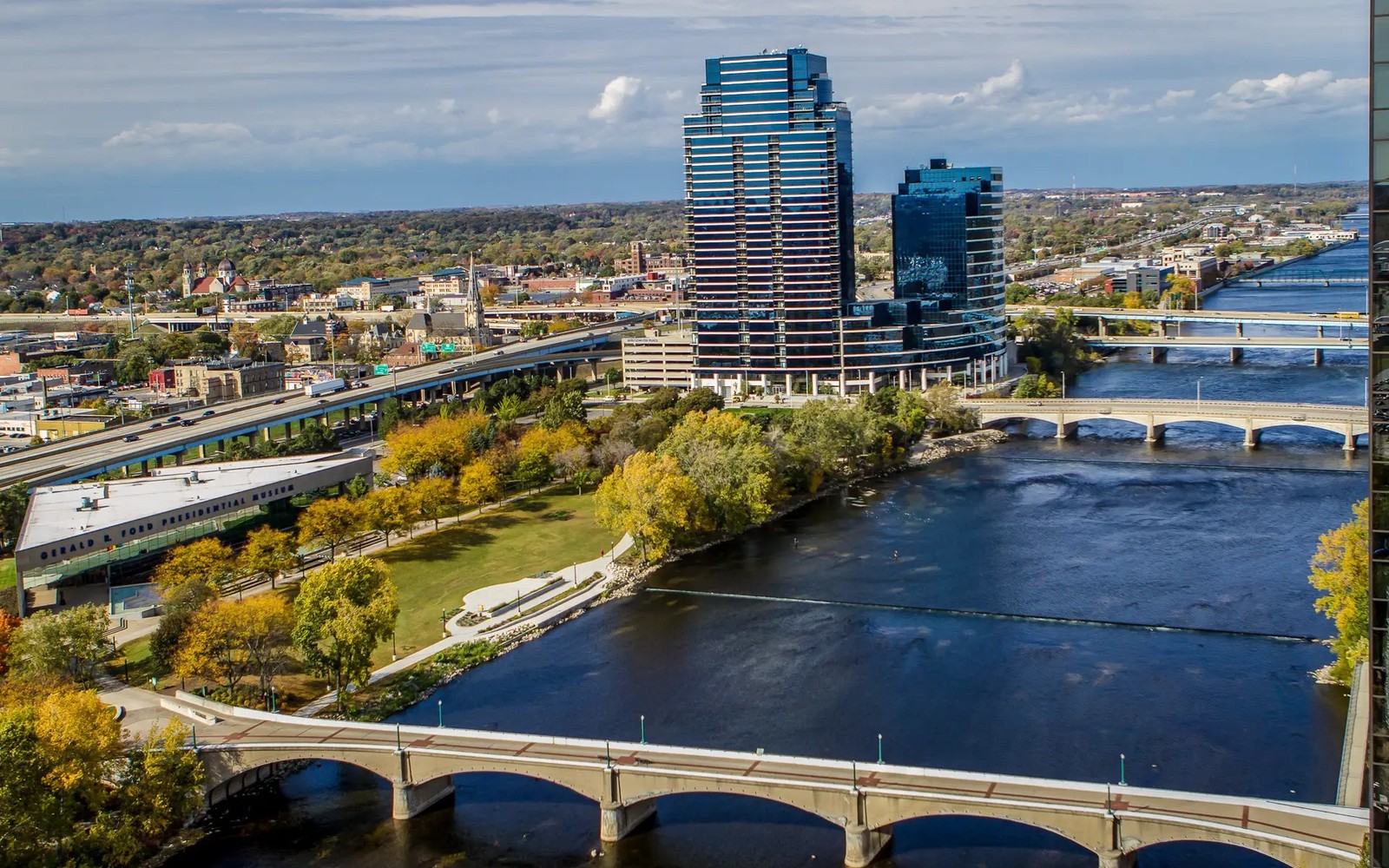
Grand Rapids has built one of the strongest specialty-food and craft-beverage cultures in the Midwest relative to its size. The city's food manufacturing corridor, its proximity to west Michigan's agricultural belt, and a consumer base with strong natural-food purchasing habits have combined to create real opportunity for juice and beverage brands that can produce at commercial scale. The city's Fulton Street Farmers Market, the Wealthy Street food corridor, and the growing restaurant scene along Division Avenue all represent channels where a well-produced local beverage brand can build a loyal following before moving into regional retail.
West Michigan's access to local apples, cherries, blueberries, and specialty vegetables gives Grand Rapids juice producers a sourcing story that resonates with health-conscious buyers. Turning that sourcing advantage into a bankable production operation requires equipment, and we finance that equipment. Our minimum is $50,000, our deals typically run $100,000 to $150,000 and above, and we work with both established Michigan operators and founders who are still building their credit profile.
West Michigan's Produce Advantage
Michigan's west side is one of the most productive agricultural regions in the country for fresh fruit. The Lake Michigan shoreline moderates temperatures enough to support commercial blueberry, tart cherry, sweet cherry, peach, and apple production that supplies processors across the region. Grand Rapids juice and beverage brands that source within a 60-mile radius of the city can legitimately claim a local-ingredient story that national brands can't replicate.
That sourcing advantage has real commercial value. Retailers like Meijer, the local SpartanNash-affiliated stores, and the growing Horrocks Market and Harvest Health stores in west Michigan are active purchasers of locally produced beverages. A Grand Rapids cold-press brand with a verifiable local-ingredient story and consistent quality has a genuine edge in those conversations. The equipment that makes consistent, properly processed product possible is the link between the ingredient story and the shelf placement.
The region also hosts an active community of beverage manufacturers and beverage co-packers who serve brands across Michigan, Ohio, and Indiana. Grand Rapids co-packers looking to add a new pressing line, upgrade to HPP capability, or expand cold-storage capacity are a regular part of our deal flow. The equipment transactions tend to be well-defined, with clear collateral and contract-backed revenue, which makes for efficient underwriting.
Production Equipment Grand Rapids Operators Finance
The equipment investment for a Grand Rapids juice brand moving to production scale typically starts with a commercial press and a washing line. A commercial cold-press juicer capable of handling regional fruit at production volumes runs $40,000 to $150,000. A fruit and vegetable washing line processes the raw product before pressing, adds throughput consistency, and is an FDA-required step for commercial juice production. We finance both pieces individually or together as part of a staged buildout.
Filling and packaging equipment completes the production floor. An inline filling machine matched to your bottle format, plus a labeling machine, runs $40,000 to $120,000 depending on throughput speed and automation. Grand Rapids brands targeting Meijer or SpartanNash distribution need equipment that produces retail-ready product at consistent quality, and the filler and labeler are non-negotiable pieces of that stack.
For extended shelf life, a Pasteurizer or a high-pressure processing contract fills the gap until volume justifies owning an HPP machine. Pasteurizer financing at the commercial-kitchen to small-production scale runs $60,000 to $200,000 depending on throughput. If your volume and retail commitments warrant HPP, we can finance that acquisition too, though HPP machines are typically seven-figure projects that go through full documentation underwriting.
Deal Structure and Terms
Equipment loan terms for Grand Rapids beverage operators typically run 36 to 72 months. The right term depends on the equipment's expected useful life, the transaction size, and your preferred monthly payment. A equipment loan keeps the asset on your balance sheet and lets you claim Section 179 and bonus depreciation. A equipment lease produces a lower monthly payment and keeps the asset off-balance-sheet, which can matter for operators managing banking covenants or preparing for a capital raise.
Application-only approvals are available for deals up to approximately $400,000. That covers most individual equipment purchases and smaller full-line buildouts without requiring tax returns or full financial packages. Funding typically arrives in one to two weeks from approval, which is the timeline that matters when you're trying to secure a piece of used equipment or hit a seasonal production window before Michigan's fresh-fruit season peaks.
Operators who need capital for used equipment from a private seller or auction can also use our private-party equipment purchase program. We pay the seller directly at closing, and you repay us on the standard loan schedule. This is a common path for Grand Rapids operators who find quality used production gear from Michigan food manufacturers, restaurant groups, or out-of-state equipment dealers.
What Qualifies for Financing
Michigan juice and beverage businesses with at least six months of operating history are the core of our qualifying pool. We also work with startups, leaning on equipment collateral value and personal credit for operators who don't have extended business history. B and C credit profiles are part of our normal deal flow, including operators with older derogatory marks, thin business credit files, or credit activity from a previous business venture.
Both new and quality used equipment qualifies. For used equipment, we evaluate make, model, condition, and current market value as collateral. Grand Rapids operators who find used production gear at a Michigan auction or from a food-manufacturer liquidation can finance that purchase through us with the same process as new equipment, just with more documentation on the equipment's history and condition.
Grow Your Grand Rapids Beverage Operation
West Michigan has the produce, the consumer base, and the retail channels to support a serious juice or beverage brand. The equipment to serve that market is what we finance. Tell us what you're building and what you need, and we'll put together a deal that moves as fast as the season requires.
Related Financing Paths
Common Questions on Juicing Equipment Financing in Grand Rapids, MI
Straight answers before you send the equipment file.
I'm a Grand Rapids juice bar owner looking to add a production facility that can supply my two storefronts and a local wholesale account. What's a realistic budget for the equipment I need to finance?
For a production facility serving two storefronts plus a wholesale account, a realistic equipment budget is $120,000 to $250,000, covering a commercial press, a filling station, cold storage, and prep equipment. That's well within our application-only financing range. Your monthly revenue across the two locations plus the wholesale account should comfortably support the payment.
Can I finance a Goodnature cold press and include the freight from the manufacturer in New York in the financed amount?
Freight and delivery costs are often includable in the financed amount, particularly for production equipment being shipped from a distant manufacturer. Include the freight cost in your total project amount when you apply, and we'll confirm what the lender will include in the note.
My Michigan beverage business has two years of operating history and we're profitable, but my personal credit score is 590. Is that too low to qualify?
590 is workable. We work with B and C credit profiles as a normal part of what we do. At that score level, the lender will look carefully at your cash flow, your time in business, and the equipment as collateral. Two years of profitable operations is a meaningful positive. Not every lender in our network will say yes, but enough will that we can find you a deal.
Are there financing options specifically for juice equipment being used in a farm-based cidery or fruit winery that also does juice production?
Yes. Equipment used in licensed food and beverage production facilities qualifies regardless of whether the operation also produces alcohol. The juice production equipment, pressing lines, washing, filling, and cold storage, is financed the same way whether it shares a floor with a cidery or stands alone. Bring the full equipment list and we'll structure accordingly.
Ready to Finance Juicing Equipment Financing in Grand Rapids, MI?
Send the equipment quote, seller, transaction size, and target timing. The financing desk will review the package and return a clear next step.