Private-Party Equipment Purchase Financing
Buy a cold press, HPP machine, or bottling line directly from another juice producer and finance it. We handle private-party equipment purchases for beverage.
Some of the best equipment deals in the juice industry never touch a dealer's floor. A growing brand upgrades their Goodnature hydraulic press and sells the old one direct. A co-packer closes a line and moves the industrial juice extractor through word of mouth. A cleanse company pivots its model and lists a barely-used HPP unit in a Facebook group. These are private-party sales, and they happen constantly in a market where production equipment is expensive and operators talk to each other.
The problem is that most standard equipment lenders are set up to pay vendors and dealers, not individuals. The deal dies before it starts because the buyer cannot get financing for a peer-to-peer transaction. That is what private-party equipment purchase financing solves. We fund the purchase directly, allowing you to buy quality used production gear from another juice producer, a co-packer clearing inventory, or a food-processing operation that no longer needs the machine.
Our minimum is $50,000. Private-party deals work best landing between $75k and $400k where the documentation is manageable and the collateral story is clear. Funding takes about one to two weeks once we have the equipment information, the seller's bill of sale, and your business financials in order.
How Private-Party Equipment Financing Works
The structure is close to a standard equipment loan, with a few additional steps specific to buying from a non-dealer seller. We need documentation the equipment exists, is in working condition, and transfers cleanly from seller to buyer. Here is the sequence in plain terms.
First, you and the seller agree on a price and document it in a purchase agreement or letter of intent. The equipment should be identifiable by serial number, make, and model. For something like a Bucher HPX press or a Hiperbaric HPP machine, the serial number ties directly to the manufacturer's service records, which helps the lender understand condition and remaining service life.
Second, we submit to lenders with the purchase price, your financials, and the equipment details. Lenders consider the transaction the same way they evaluate a dealer purchase: what is the equipment worth, what does the buyer's credit profile look like, and does the monthly payment fit the business's cash flow. Private-party deals sometimes require a quick appraisal or comparable-sale evidence to validate the price, particularly if it is notably below or above what the secondary market typically shows.
Third, on approval, the lender funds directly to the seller or to an escrow arrangement. You do not write the seller a check and then try to recover it from a lender. The funds move cleanly: approval, then payment to seller, then title and possession transfer to you. This protects both parties.
Finally, you take ownership of the equipment and begin monthly payments. Title goes into your name (or your business entity) from the start. Structuring this as a standard equipment loan means you own the asset outright after the loan is paid, which matters if you plan to refinance later or sell the machine yourself when you upgrade.
What Equipment Qualifies for Private-Party Deals
Almost any commercial-grade juicing or beverage production asset qualifies as long as it has a functioning secondary market and identifiable resale value. The equipment categories we handle most often in private-party transactions include:
- Commercial cold-press and hydraulic presses from producers like Goodnature and Norwalk, which hold value well on the used market and have clear serial-number tracking
- HPP machines, particularly Hiperbaric units, which are sold used fairly often as brands either scale up to a larger vessel or exit the HPP market in favor of tolling
- Industrial juice extractors and centrifugal systems from larger production operations
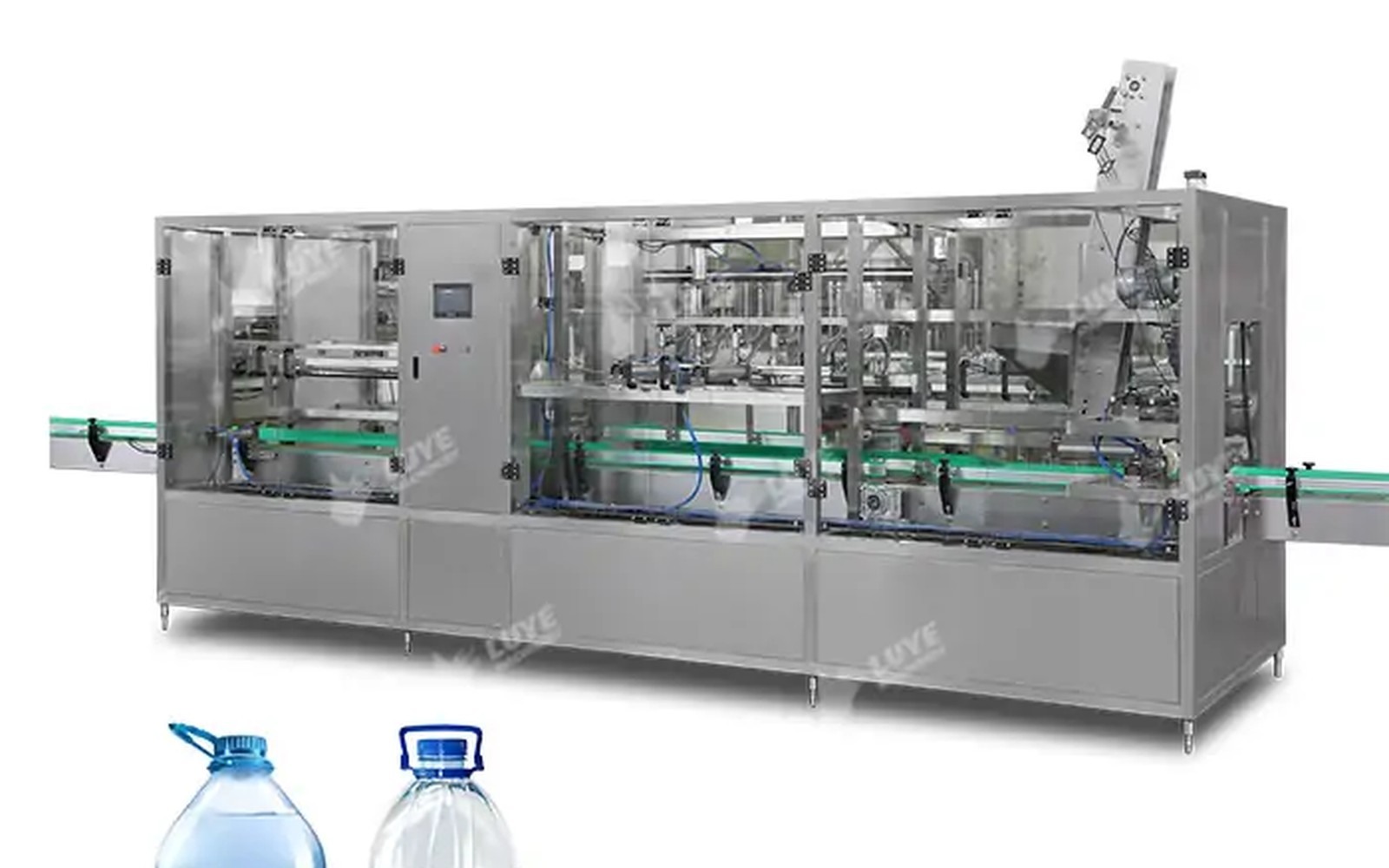
- Complete or partial juice production line components including fillers, cappers, and labelers sold as a lot from a co-packer or manufacturer downsizing
- Pasteurizers and HTST pasteurization systems, which are expensive new and often available used from dairy or juice operations that upgraded to larger units
- Walk-in coolers and cold-storage systems sold with a commercial space buildout
Equipment that is harder to finance in a private-party context includes highly customized machinery with no clear secondary market comparables, equipment that is very old and has a short remaining useful life, or assets where the seller cannot provide proof of title and serial number documentation. If you are unsure whether the specific machine you have found qualifies, reach out with the details and we will give you a straight answer before you commit to the seller.
Documentation and Credit Requirements
Private-party deals require a slightly thicker documentation package than a straightforward dealer purchase, but it is not burdensome if you and the seller are organized. Here is what to have ready.
From the seller: a bill of sale or purchase agreement identifying the equipment by make, model, and serial number; any available service records or maintenance history; proof that they hold title free and clear (or that any lien will be satisfied from the sale proceeds); and if you can get it, photos of the equipment in operating condition.
From you (the buyer): three months of business bank statements, a current business license, your most recent tax returns (two years preferred, one minimum for application-only deals under $400,000), and the equipment invoice or purchase agreement. If you have an existing equipment schedule showing what you already own and what you owe, that context helps the lender understand your asset base.
Credit profile: we work with B and C credit alongside stronger profiles. Time in business is relevant, particularly for application-only deals. Two or more years in operation generally qualifies you for the lightest documentation path. Startups or businesses under two years may need to provide more financial detail or accept a higher rate as a reflection of limited operating history.
One option worth knowing about for buyers who want to move quickly: application-only financing eliminates tax return requirements for deals up to roughly $400,000 when your credit profile is strong. If speed is the priority and the seller has another interested buyer, an application-only submission can compress the timeline considerably.
Adjacent Financing Structures Worth Knowing
Private-party financing solves one specific problem: buying directly from a seller who is not a dealer. But there are a few related structures you might encounter in the same search.
If the equipment you want is owned by a brand or co-packer that would prefer to lease it back rather than sell outright, a Sale-Leaseback arrangement is worth exploring. The seller sells to a lender and then leases the equipment back for continued use. You, as the buyer or the financing party, are effectively the lender in that arrangement. It is more complex but sometimes the only structure the seller will agree to.
If you are buying a broader range of equipment at once, including some from dealers and some private-party, we can often combine both purchase types into a single facility rather than running two separate loan applications. This is particularly useful for beverage co-packers building out a new production bay with a mix of new and used gear.
If you already own equipment and want to borrow against it, a cash-out refinance can generate working capital without a new equipment purchase. That is a different path but sometimes what operators actually need when they say they want to buy something used. Worth thinking through both options before committing.
What Buyers Ask Before They Apply
Found the Machine. Let Us Fund It.
Private-party equipment buys move fast when the seller has other interested parties. Send us the equipment details, the asking price, and a quick picture of your business revenue, and we will tell you quickly whether we can fund the deal and on what timeline. Juice brands, co-packers, and functional-beverage operations are our world. We understand what this equipment does and why the deal makes sense.
Related Financing Paths
Common Questions on Private-Party Equipment Purchase Financing
Straight answers before you send the equipment file.
Can I buy equipment from an individual who is not a business, like a home-based cold-press operator?
This depends on the lender. Most private-party equipment financing works most cleanly when the seller is a business entity with proper documentation of ownership. A purely personal sale from an individual with no business records is harder to underwrite. If the seller can at least produce a clear bill of sale, serial number documentation, and proof of their own purchase (even an old receipt or shipping record), some lenders will work with it at the right loan size.
What happens if the seller has a lien on the equipment from their own financing?
The lien must be satisfied at or before closing, just as with a house purchase. In practice, the lender funds the sale price, uses the portion needed to pay off the seller's lender directly, and remits any remaining balance to the seller. This is called a payoff-and-proceeds structure and it is common. You need the seller's lender information and payoff amount as part of the documentation package.
How does the lender know the equipment is worth what the seller is asking?
The lender will compare the asking price to secondary-market comparables for that make, model, year, and condition. For common equipment like Goodnature presses or Hiperbaric HPP units, there is enough transaction history to validate the price quickly. For more specialized or custom equipment, the lender may request an independent appraisal, which the buyer typically pays for and which usually runs a few hundred to a few thousand dollars depending on the equipment complexity.
Can I finance private-party juicing equipment if my business credit is below average?
Yes, B and C credit deals happen regularly in this space. The rate will be higher than what a strong-credit buyer sees, and the lender may want a slightly larger documentation package to verify cash flow and operating history. The equipment's own resale value acts as collateral, so a deal on a high-value, widely recognized piece of production equipment is easier to get approved at non-prime credit than a deal on something obscure.
Is there a maximum age for equipment in a private-party deal?
No hard universal cap, but age is a practical factor. Equipment older than ten years may face stricter scrutiny or require a down payment because remaining useful life and resale liquidity decline. A well-maintained five-year-old commercial press or HPP machine is a good candidate. A fifteen-year-old unit with unknown service history is much harder to finance without additional documentation or a down payment to reduce the lender's exposure.
My juice brand is located outside a major metro. Does geography affect whether I can get private-party financing?
Geography does not materially affect approval for the equipment financing itself. We work with brands and co-packers in markets of all sizes, from dense urban juice markets like San Francisco to smaller regional operations. What matters is your financial profile and the equipment's collateral value, not your zip code.
Ready to Finance Private-Party Equipment Purchase Financing?
Send the equipment quote, seller, transaction size, and target timing. The financing desk will review the package and return a clear next step.