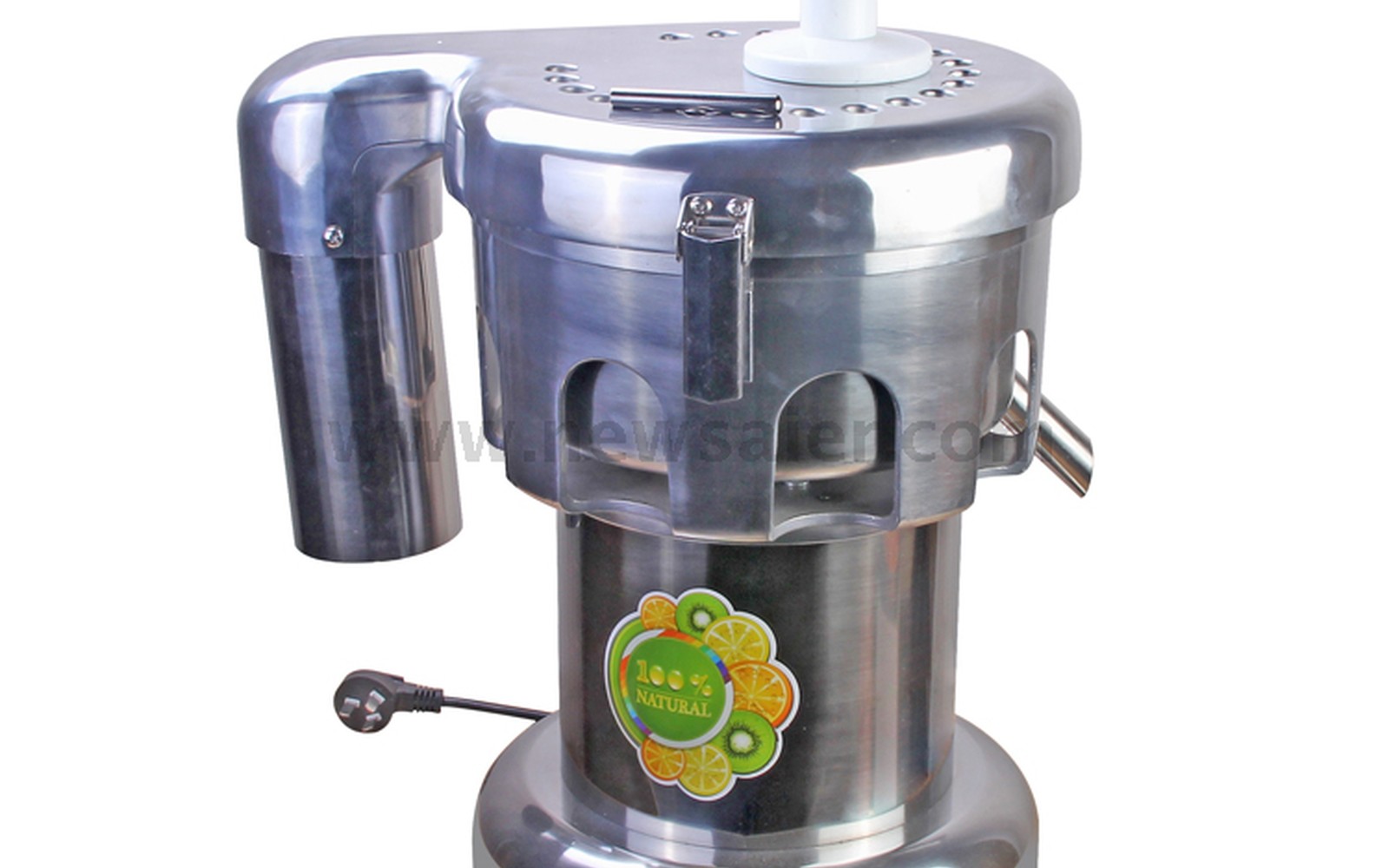
Industrial Juice Extractor
Finance an industrial juice extractor for large-scale production. Fast approvals, flexible terms, B/C credit considered. Starting at $50k.
The batch sizes that matter to a grocery buyer start at volumes that a juice bar machine cannot reach in a full week of running. Industrial juice extractors operate at scales measured in tons of produce per hour, and they anchor the production floor of every serious juice manufacturing operation. These are not upgraded commercial units. They are purpose-built process machines with dedicated electrical service requirements, CIP compatibility, integrated deaeration in some configurations, and throughput rates that make the economics of per-bottle cost actually compelling at wholesale margins.
Industrial juice extractors cover a range of technologies. Belt presses, decanter centrifuges, continuous screw presses, and high-efficiency auger systems are all deployed in large-scale juice production depending on the produce type and desired product quality. Pricing reflects that range, with mid-capacity industrial units starting around $80,000 and flagship multi-lane configurations from manufacturers like JBT and Bucher exceeding $500,000. Financing is not optional at that price point. It is the mechanism that makes the deal possible without draining the working capital the operation also needs to buy produce and pay labor.
Industrial Juice Extractor Technology and Throughput Tiers
The primary technology paths for industrial juice extraction are centrifugal extraction for high-volume citrus, screw press and belt press extraction for apple and grape, and hydraulic press technology for cold-press and premium product runs. In large-scale citrus production, the JBT in-line extractor is the dominant machine. For stone fruit, apple, and berries, continuous screw presses from manufacturers like Bucher Unipektin and Flottweg handle extraction at throughputs measured in metric tons per hour.
Belt presses are common in juice production operations where the must or pulp from a prior grinding stage is pressed to extract liquid. They are well-suited to high-volume apple and pear juice production. Decanter centrifuges separate juice from solids at high speed and are used in both citrus and tropical fruit lines. Each technology requires different utilities, footprint, and operator expertise, and those factors affect both the installation cost and the total financing package.
When lenders evaluate an industrial juice extractor as collateral, they consider the brand, model, age, and the secondary market depth for that equipment type. JBT and Bucher equipment sells reliably in the used market, which supports strong advance rates on financing. Purpose-built or highly customized machines with limited secondary demand may receive more conservative advance rates or require additional supporting documentation.
The Market that Makes Industrial Extractors a Sound Investment
The U.S. functional beverage and cold-pressed juice market has sustained consistent growth, with cold-pressed and minimally processed juices commanding premium retail prices compared to conventionally processed alternatives. That pricing dynamic makes industrial extraction equipment a productive capital investment for brands and co-packers that can fill the throughput. The challenge is that the equipment investment comes before the production volume that justifies it, which is why financing over 48 to 72 months makes more business sense than waiting to accumulate cash.
Beverage co-packers are heavy buyers of industrial extraction equipment because they serve multiple brand clients and need flexible throughput capability across produce types. A co-packer with a high-capacity industrial extractor can take on orange juice contracts, apple-based program runs, and tropical fruit extraction in rotation, spreading the capital cost across a diversified production calendar. Available equipment finance programs are familiar with the co-packing business model and can structure deals that reflect the contract revenue supporting the equipment acquisition.
Refinancing Existing Industrial Extractors
Industrial juice extractors that were purchased outright or are partially paid down represent significant equity that can be converted to operating capital through a cash-out refinance or Sale-Leaseback. The structures work particularly well for operations that funded an extractor purchase with cash during a strong revenue period and now want to redeploy that capital into inventory, new SKU development, or marketing without taking on unsecured debt.
The refinance process for industrial extractors follows the same steps as a new purchase: we identify the machine by make, model, and serial number, establish current market value, and structure the new financing based on the equity available. Refunding in this way does not interrupt production, does not require moving the equipment, and can close within two to three weeks from application.
Related Financing Paths
Common Questions on Industrial Juice Extractor
Straight answers before you send the equipment file.
My industrial extractor deal includes installation, electrical upgrades, and commissioning. Can those be financed?
Soft costs including installation, electrical work, and commissioning can sometimes be bundled into the total financed amount, particularly when they are part of the vendor's quote. Lenders generally allow soft costs up to a reasonable percentage of the hard equipment value. Very large soft-cost components may need to be handled separately or through a working-capital supplement.
We are a co-packer adding extraction capacity for a new brand client. Does having a production contract help the financing application?
A signed production contract or letter of intent from a brand client is a meaningful supporting document for a co-packer financing application. It demonstrates the revenue the new equipment will support, which can influence the lender's confidence in the deal and potentially the terms offered.
We want to finance an industrial extractor from a European manufacturer with a U.S. subsidiary. Is that eligible?
Yes. Equipment from major European manufacturers with established U.S. presence, such as Bucher, Flottweg, and GEA, is routinely financed through our program. The key requirements are a verifiable equipment value, a U.S. business entity purchasing the equipment, and standard documentation.
How do lenders think about a deal where the extractor is custom-configured for a specific produce type?
Customization affects residual value and the secondary market for the equipment. Lenders will look at how specific the customization is and whether the machine can be repurposed for other produce types. Highly specialized units may carry a lower advance rate than standard-configuration machines. We will outline this clearly when presenting options.
Can I finance the extractor now and add a pasteurizer and bottling line later under the same agreement?
A master equipment financing agreement can accommodate add-ons over time, though each addition is typically treated as a separate transaction within the master framework. If you know you will be adding equipment within 12 to 18 months, flagging that at application time lets us structure the original deal in a way that accommodates future additions cleanly.
Ready to Finance Industrial Juice Extractor?
Send the equipment quote, seller, transaction size, and target timing. The financing desk will review the package and return a clear next step.