Pulp Extraction System
Finance a commercial pulp extraction system for juice production. From $50k, challenged credit reviewed, with juice-line files kept short near $400k, closing timed to the beverage-equipment package.
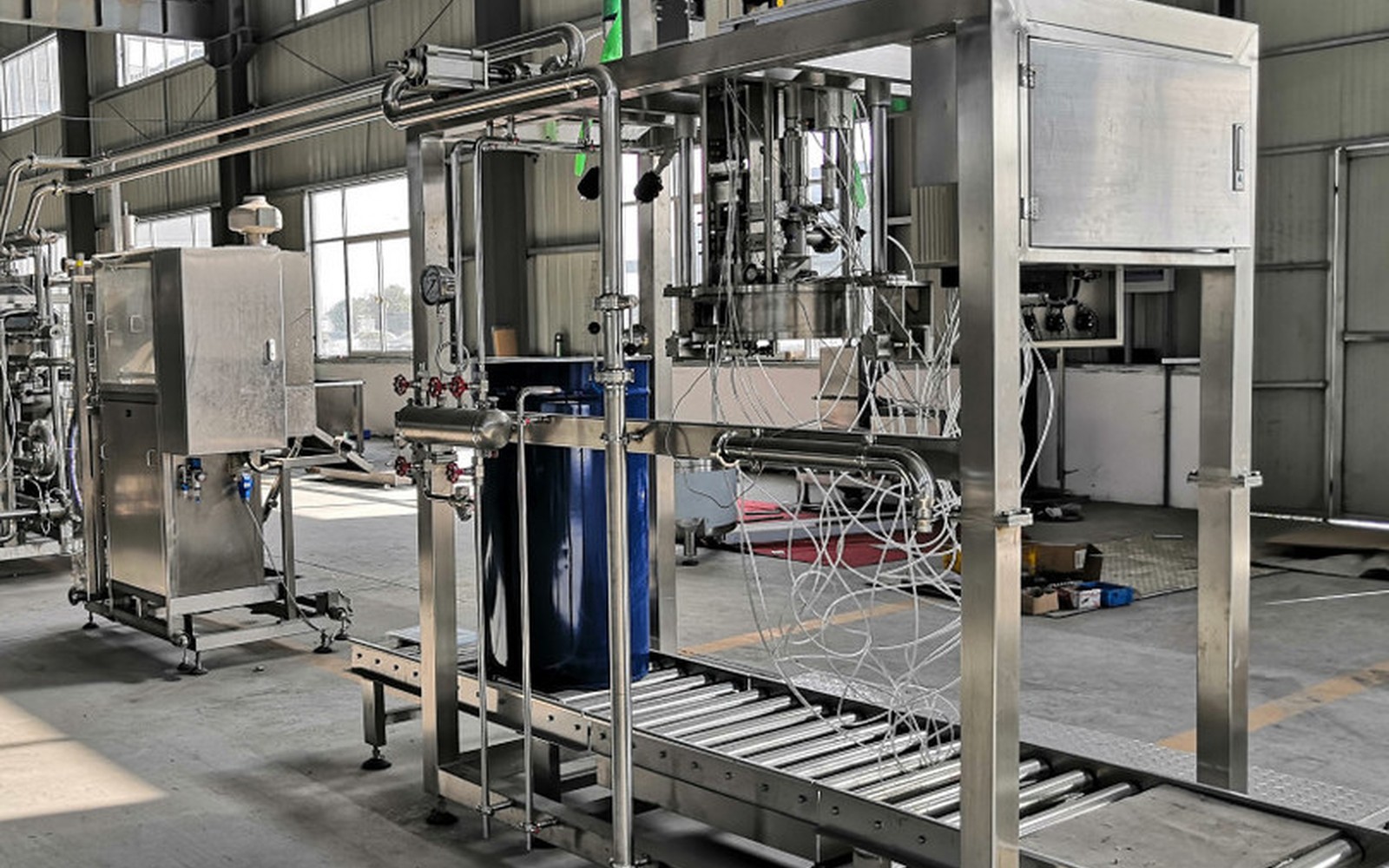
Pulp separation is where yield lives. A pulp extraction system that leaves 15 percent more juice in the pomace than a competitor's machine is worth real money per batch, per day, per year. Finishers and screw-press extractors built for commercial juice production are designed around extraction efficiency, and the price reflects that: purpose-built finisher systems for mid-scale juice production typically run from $50,000 to well over $200,000 for high-throughput configurations designed for juice manufacturers running multi-shift operations.
We structure financing for pulp extraction systems from the $50,000 floor up through large facility-scale installations. Our sweet spot is $100,000 to $150,000, which matches most of the single-machine finisher and screw-press deals we see from growing brands. New and used equipment both qualify. Applications up to approximately $400,000 move on application-only terms with three months of bank statements, and typical funding timelines run one to two weeks post-approval.
How Pulp Extraction Systems Work
Pulp extraction in a juice context means separating juice from the fiber matrix after the initial pressing or extraction step. There are two dominant equipment categories here. The first is the centrifugal finisher or decanter, which spins the juice-pulp slurry at high G-force to push liquid through a screen basket while retaining fiber. The second is the screw press, which uses an auger to mechanically compress the pulp cake and force remaining juice through a perforated screen.
Finishers are common in citrus operations and in multi-fruit lines where the pulp is soft and high in free juice. They run continuously and pair well with a juice production line where throughput speed matters more than extraction depth. Screw presses are preferred for drier pulp applications, including apple pressing and carrot processing, where the fiber is dense and a finisher alone leaves too much yield in the cake.
Some facilities run a finisher first and a screw press as a second pass on the pomace. This two-stage extraction approach is expensive to install but can recover an additional four to eight percent juice yield on dense produce, which adds up to meaningful revenue at production scale. For brands approaching retail distribution volumes, that recovery can justify the capital spend outright.
- Screen perforations sized 0.3mm to 0.8mm control pulp content in the finished juice
- CIP-compatible designs allow cleaning-in-place without full disassembly
- Variable-speed drives let operators tune extraction pressure to produce type
- Stainless-steel 316 contact surfaces are standard for juice-grade equipment
Buyers Who Finance Pulp Extraction Equipment
The clearest case for financing a pulp extraction system is a brand that has outgrown the extraction stage of its current press setup. A commercial cold-press juicer or centrifugal extractor may do its job, but the pomace coming off the machine still holds juice that a finisher or screw press could recover. That yield gap costs money every single batch.
We also see a lot of co-packer clients who are adding a dedicated pulp-extraction stage to serve a juice client running higher-pulp blends, including turmeric shots, beet juice, and green juice with significant kale and spinach content. These clients often bundle the finisher financing with a separate line for upgraded clean-in-place equipment to maintain food-safety compliance between batches.
Startups with a strong business plan and personal credit in the 640-plus range also qualify for pulp extraction financing. The equipment is tangible, collateralizable, and has a defined resale market, which makes it more approvable than many other early-stage assets.
Refinancing or Sale-Leaseback on Existing Extraction Equipment
Brands that own a pulp extraction system outright sometimes approach us not to buy new equipment but to pull capital out of what they already have. A Sale-Leaseback works by selling the equipment to a financing partner and leasing it back over a defined term. You continue using the machine without interruption, and the sale proceeds go back into the business as working capital.
A cash-out refinance on existing extraction equipment follows the same logic but keeps you as the title owner: we appraise the machine, lend against a portion of its equity, and structure monthly payments. Both approaches are worth exploring for brands that need growth capital but do not want to take on an unsecured line of credit at a higher rate.
Related Financing Paths
Common Questions on Pulp Extraction System
Straight answers before you send the equipment file.
Can I finance a pulp extraction system together with the press it pairs with?
Yes. We can structure a single transaction for a press and a downstream finisher or screw press on one agreement. Bundling makes sense logistically and often simplifies the approval because the collateral picture is cleaner.
Does the age of a used finisher or screw press affect approval?
Age is one factor among several. Equipment under ten years old with food-grade stainless-steel screens in serviceable condition is generally approvable. Older equipment may require an inspection report or dealer appraisal to confirm the residual value we can lend against.
My business has been open less than a year. Is a pulp extraction loan realistic?
Startups qualify in certain cases. A strong personal credit score, a detailed production plan, and a credible path to revenue all help. We will tell you honestly in the initial review whether the profile meets our minimum rather than string you along.
Can I deduct the full purchase price of the system in the year I buy it?
Potentially, through Section 179 or bonus depreciation, depending on the tax year's rules and your accountant's guidance. We can structure the financing to align with a year-end purchase that maximizes the deduction, but tax questions should always go through your CPA.
What if I want to upgrade to a two-stage finisher-plus-screw-press setup down the road?
We can refinance the first system and layer in the second machine when you are ready. Many brands start with one extraction stage and add the second within two to three years as volume grows. The refinance path usually makes more sense than a straight cash purchase at that stage.
Ready to Finance Pulp Extraction System?
Send the equipment quote, seller, transaction size, and target timing. The financing desk will review the package and return a clear next step.