Juicing Equipment Financing in Salt Lake City, UT
Finance juicing and beverage production equipment for Salt Lake City brands. $50k minimum, challenged credit reviewed, with juice-line files kept short near $400k. Closing timed to the beverage-equipment package.
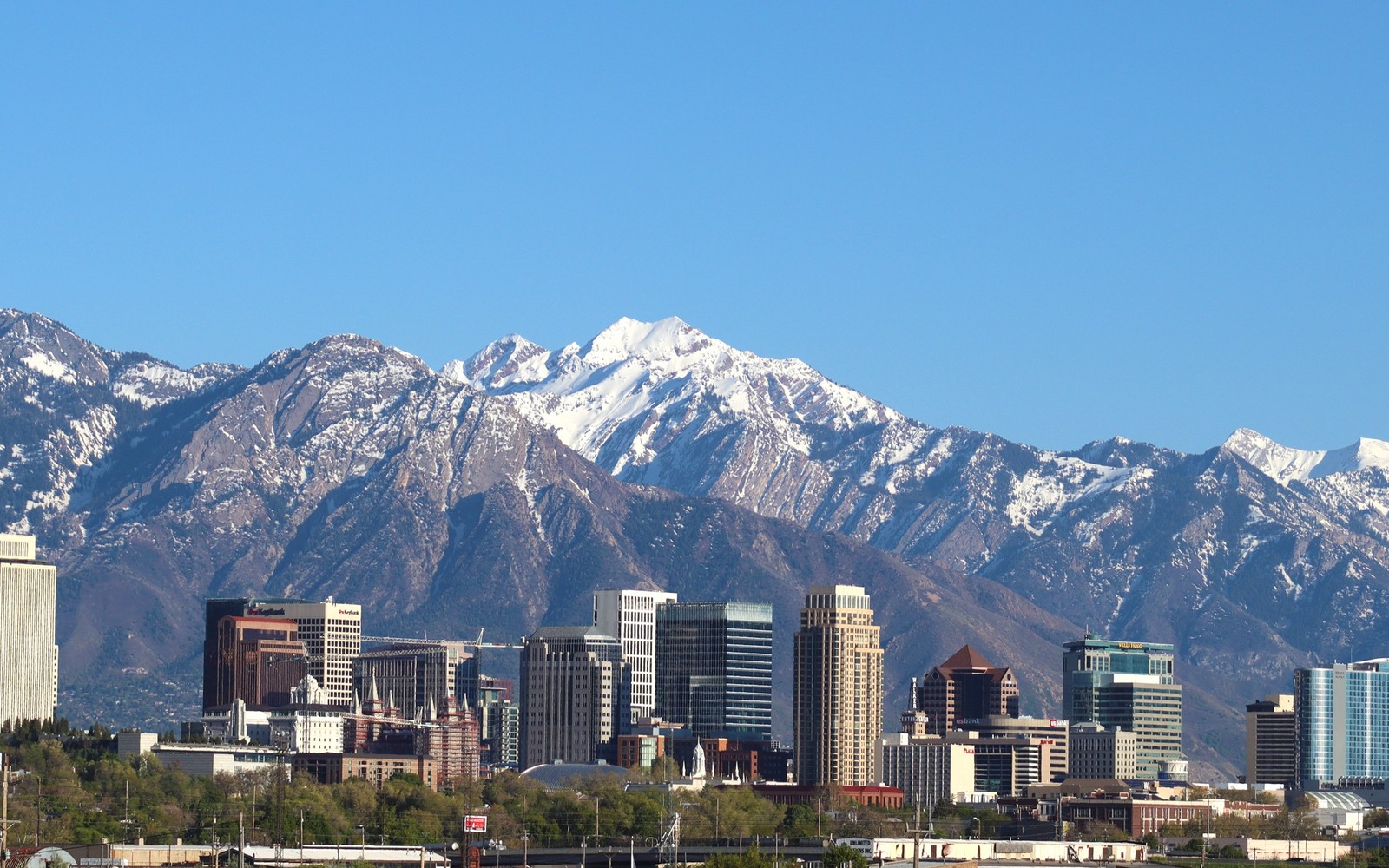
Salt Lake City's natural products and outdoor lifestyle economy has matured well beyond the niche phase. The population surrounding the Wasatch Front is young, health-oriented, and demonstrates consistent purchasing behavior around clean-label nutrition, functional beverages, and cold-pressed juice. The I-15 corridor from Ogden to Provo creates a contiguous metro of well over a million people, and that entire population skews toward active lifestyles in ways that directly support premium beverage demand.
Brands that want to supply that market at scale need real commercial production equipment. A commercial cold-press juicer at production grade runs $15,000 to $80,000. A clean-in-place (CIP) system, necessary for any operation that needs to meet food-safety standards at production scale, adds $15,000 to $60,000. Cold storage and filling equipment complete the buildout. We finance juicing and beverage equipment for Salt Lake City businesses starting at $50,000. The core of our business is landing between $100k and $150k and above. B and C credit are considered. Application-only financing is available up to roughly $400,000. Funding typically closes in one to two weeks.
Salt Lake City's Natural Products Economy
Utah has developed one of the most concentrated nutritional supplement and natural products manufacturing ecosystems in the United States, centered largely in Utah County and the Salt Lake Valley. Companies including Nature's Sunshine, USANA Health Sciences, 4Life Research, and numerous smaller brands operate manufacturing or distribution operations in the region. That concentration means the infrastructure for food and beverage production, including co-packing facilities, ingredient suppliers, and contract testing labs, is unusually well developed compared to markets of similar population size.
Functional-beverage startups in Salt Lake City benefit from that infrastructure. An early-stage brand looking for co-packing capacity, cold-storage rental, or production consulting has more local options than most comparable Intermountain West markets. The transition from co-packing to owned equipment is a natural progression for brands that have proven demand and want to control their margin and production quality directly.
The food and beverage scene in the Granary District, the 9th and 9th neighborhood, and the Sugar House area of Salt Lake has also expanded steadily, with independent food concepts and health-oriented cafes creating a retail consumer base for locally produced beverages. Grocery and specialty retailers in the metro, including several local cooperative and natural grocery brands, actively seek local suppliers. That retail distribution infrastructure is an accessible first channel for Salt Lake City brands with the production capacity to supply it.
How the Financing Process Works for SLC Businesses
The process starts with a simple application. For deals up to roughly $400,000, we do not require full tax-return documentation. Three months of bank statements and a completed one-page business application, along with the equipment quote or purchase agreement, are the core of the file. We pull business credit and submit to lenders whose programs match the deal. Approval decisions typically come back in 24 to 48 hours.
Funding follows in about a week to 10 days from approval. For larger transactions, particularly a complete production line buildout or an HPP machine acquisition, we add the bank statements and any available financial documentation to build a more complete picture. These deals close in about two weeks in most cases.
Bonus depreciation financing is a tool worth mentioning for Salt Lake City businesses given Utah's active business community around tax-efficient growth. Federal bonus depreciation has historically allowed businesses to deduct a large percentage of qualifying equipment cost in the first year. The specifics change with legislation, so confirm the current rules with your accountant, but structuring equipment purchases to maximize depreciation benefit is a real consideration that affects the timing and size of equipment transactions.
We also handle equipment refinancing for businesses that financed equipment previously and want to restructure the payment, extend the term to reduce monthly obligations, or pull cash out if there is equity in the asset. Refinancing is available for equipment that is in good condition and has a remaining term worth restructuring.
Equipment Categories for SLC Juice and Beverage Producers
Cold-press extraction is the foundational asset for most juice brands financing through our program. Goodnature presses are popular in this market for their quality and service network. A production-grade Goodnature X-1 or M-1 runs $15,000 to $50,000. For industrial-scale extraction in a co-packing context, JBT and Bucher extractors serve the higher-throughput segment at $100,000 to $400,000 per unit.
The fruit and vegetable washing line is an often-overlooked component in production buildouts. At production scale, raw-produce handling and washing is a dedicated operation, not something done by hand. A commercial washing line runs $15,000 to $80,000 depending on throughput and features. Including it in the same financing transaction as the extraction equipment is a practical approach that simplifies the buildout budget.
Refrigeration and cold-chain equipment is particularly important in Salt Lake City given the production season. While the metro's winters are cold, production facilities that are not climate-controlled can create cold-chain vulnerabilities in opposite direction, requiring heating as well as cooling. A properly specified walk-in refrigeration system for product storage runs $20,000 to $80,000 installed. Blast chillers for rapid product cool-down after pressing add to that total. Both are eligible for equipment financing alongside production equipment.
Related Financing Paths
Common Questions on Juicing Equipment Financing in Salt Lake City, UT
Straight answers before you send the equipment file.
Utah's Legislature has made some changes to business tax structure. Does that affect equipment depreciation on financed equipment?
Equipment depreciation for federal purposes follows federal rules, which include Section 179 and bonus depreciation provisions that apply in all states. Utah's state tax treatment may differ in some details, but the federal deduction on qualifying equipment is the larger dollar impact for most businesses. Your accountant is the right resource to optimize the structure for both federal and state purposes.
I run a cold-press operation out of a shared commercial kitchen in Salt Lake. Does the equipment need to be mine and in a facility I control?
The equipment needs to be yours and the lien needs to be clear, but it does not need to be in a facility you own. Equipment in a rented commercial kitchen or shared production facility is financeable. The lender will want to confirm that the lease on the facility does not create complications for equipment repossession in a default scenario, but this is a standard condition that most commercial kitchen leases address.
I want to supply a large grocery co-op in the SLC area. They want 45-day shelf life. How does HPP financing work?
HPP machines are large capital projects priced at $500,000 to over $1 million. We finance them with full documentation: three months of bank statements, the manufacturer's equipment quote, and a complete business application. A purchase commitment or letter of intent from the grocery account strengthens the file considerably and may improve the terms available. The approval process for HPP deals takes slightly longer than smaller transactions but typically closes within two weeks.
My Salt Lake business has been operating for three years but had a period of difficulty two years ago. Does the lender look at all three years?
Lenders look most heavily at the most recent three months of bank statements. A difficult period two years back that has been followed by recovery and consistent revenue is a story we can tell accurately and that lenders understand. We contextualize the credit history in the application narrative. The current state of the business matters more than the past difficulty in most cases.
Ready to Finance Juicing Equipment Financing in Salt Lake City, UT?
Send the equipment quote, seller, transaction size, and target timing. The financing desk will review the package and return a clear next step.