Juicing Equipment Financing in Milwaukee, WI
Finance juicing and beverage production equipment in Milwaukee, WI. Cold-press juicers, bottling lines, HPP equipment. $50k minimum, fast approvals.
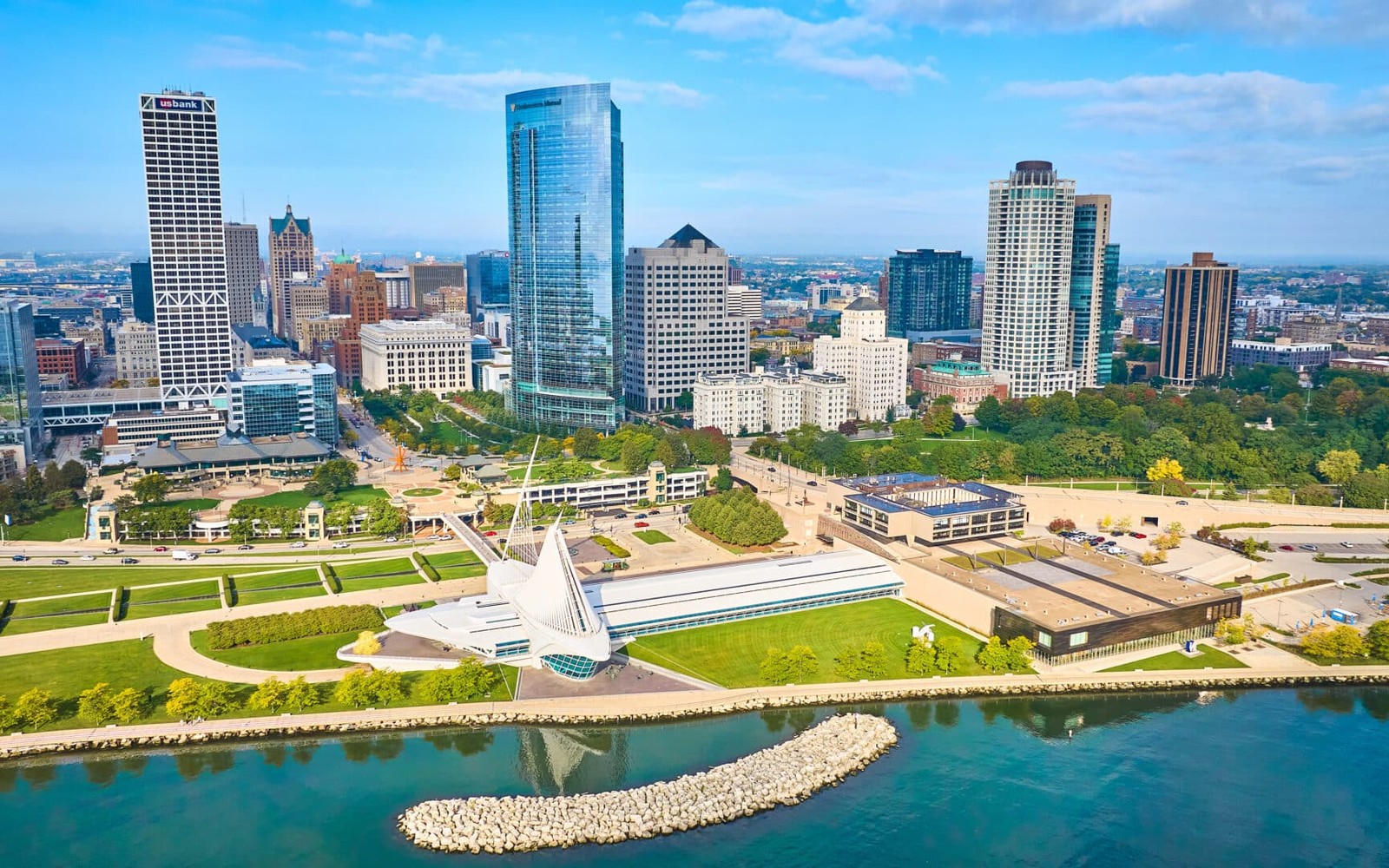
Fresh capital against production equipment is what separates a Milwaukee juice brand that plateaus at two storefronts from one that gets into the cooler at Sendik's, Metro Market, or the Outpost Natural Foods network. The city's food and beverage scene has diversified well beyond its historic brewing identity. Bay View, Walker's Point, and the Third Ward host a cluster of specialty-food producers, craft beverage operations, and wellness-focused retail concepts that have found real traction with Milwaukee's growing professional and young-family demographic. Beverage brands growing inside that ecosystem hit equipment limits fast, and the move from a shared commercial kitchen to a dedicated production line is a capital event that most operators can't self-fund.
We finance juicing, pressing, filling, and cold-storage equipment for Milwaukee-area operators. Our minimum is $50,000; our sweet spot is $100,000 to $150,000 and above. We handle new equipment, quality used equipment, refinancing of gear you're already paying on, and sale-leaseback structures for operators who have equity locked in iron they own outright.
Milwaukee Operators Who Work With Us
Juice bars in Milwaukee's walkable neighborhoods that want to centralize production and stop hand-pressing in-store are a core part of our client base. The move to a central production kitchen with a commercial-grade press, a filler, and proper cold storage lets an owner serve multiple locations with consistent product instead of depending on in-store staff to run equipment between customer interactions. That centralization project typically runs $80,000 to $200,000 in equipment, which is exactly the range we finance.
Milwaukee is also home to a number of independent beverage co-packers who produce for multiple brands under toll agreements. These operations need throughput capacity that matches their contract portfolio, and adding a new filling line, a second press, or an HPP or pasteurization capability is a defined equipment acquisition with clear revenue implications. Co-packers who can demonstrate their contract base rarely struggle to qualify for equipment financing.
Emerging brands in the smoothie shops and gyms and wellness centers segments often look to us when they want to produce their own signature blends for retail sale rather than sourcing from a distributor. Owning the recipe and the production equipment changes the margin profile of those businesses significantly, and financing makes the equipment accessible without a large upfront cash drain.
Production Equipment in This Market
Cold-press juice production in Milwaukee starts with the press, and the press decision determines batch throughput, labor cost per unit, and yield efficiency. A commercial cold-press juicer suited to a small production facility runs $40,000 to $100,000; machines capable of handling a co-packer's contract volume can exceed $200,000 for high-throughput automated systems. We finance across this range and can structure a deal that matches the equipment cost to the revenue it generates.
Filling and packaging equipment is the second major capital need for Milwaukee producers. A inline filling machine paired with a capper and labeler completes the production line and makes retail-ready product possible at scale. Those three pieces together typically run $50,000 to $150,000 depending on throughput speed and automation level. We finance them individually or as a packaged line.
Cold storage is non-negotiable for any cold-pressed product and often gets under-planned. A properly sized cold-storage freezer or walk-in cooler for a production facility handling 300 to 1,000 gallons per week runs $25,000 to $70,000 installed. We include cold-storage and utility equipment in the same financing package as the primary production gear when the project warrants it.
Credit Requirements and Documentation
B and C credit profiles are a normal part of what we work with. A Milwaukee operator who launched during COVID, took on personal debt to keep the business alive, or had credit marks from a previous venture that didn't work out can still qualify. We underwrite based on current cash flow, the equipment's collateral value, and the business's trajectory, not only the credit history.
For deals up to approximately $400,000, an application-only path avoids the need for tax returns or full financial statements. Three months of bank statements and a one-page application cover most approvals in that range. Deals above that threshold go through a fuller documentation process, including bank statements, a P&L, and basic balance sheet information, but still close in about two weeks.
Startups and early-stage Milwaukee beverage businesses have access to startup business financing options that lean on equipment collateral and personal credit when business history is limited. True startups with solid personal credit and a clear business plan have closed deals with us. We're realistic about the risk the lender takes in those situations, and we'll tell you upfront whether your profile fits.
Beyond the Primary Equipment Purchase
Milwaukee operators sometimes come to us not because they're buying new equipment but because they need to restructure existing obligations. Equipment refinancing can reduce a monthly payment that was set when rates were higher or when the business was newer and perceived as riskier. If you're paying more than you need to on a press or filling line that's been running well for two or three years, a refi conversation is worth having.
Operators who own equipment outright and need working capital for a SKU launch, seasonal inventory, or a move to a new facility can look at a Sale-Leaseback. You sell the equipment and lease it back at a monthly rate, generating cash while keeping the machine in production. The freed capital goes to work immediately while your production schedule stays intact.
Get Your Milwaukee Production Line Financed
Milwaukee beverage brands that are ready to move from shared kitchen or single-storefront production to a real dedicated line, this is the step that changes the business. Apply with us, and we'll have a financing structure for you before the week is out in most cases.
Related Financing Paths
Common Questions on Juicing Equipment Financing in Milwaukee, WI
Straight answers before you send the equipment file.
Can I finance production equipment if my Milwaukee juice business has only been open for eight months?
Eight months is tight but workable for some of our programs, particularly if you have strong bank statement revenue and decent personal credit. Shorter-history businesses typically need to show consistent monthly revenue that clearly supports the proposed equipment payment. We'll evaluate your specific situation rather than turning you away on tenure alone.
I want to buy a used filling line from a Milwaukee beverage company that is closing. Can I get financing for a private-party purchase that happens in the next two weeks?
Yes. Private-party equipment purchases close on an expedited timeline when the deal is straightforward. We need the seller's contact information, equipment description, a clear purchase price, and a signed purchase agreement. The seller gets paid directly at closing.
My Milwaukee juice bar owns its cold-press unit free and clear. If I do a sale-leaseback, will the lease payment be about the same as a new loan payment would be?
Roughly, yes. The sale-leaseback rate depends on your business profile and the equipment's current market value. It won't be dramatically different from a loan payment on the same amount. The advantage is that you receive a lump sum of cash equal to the equipment's financed value rather than taking on additional unsecured debt.
Does financing cover equipment shipping from a manufacturer out of state or overseas?
Freight and delivery costs can often be included in the financed amount, particularly for large pieces of production equipment shipped from domestic or international manufacturers. Installation and initial commissioning costs may also be includable. Talk to us about the full project cost before the deal closes so we can structure it correctly upfront.
Can I finance a Section 179 deduction strategy alongside the equipment loan?
Section 179 and bonus depreciation apply to equipment placed in service during the tax year, whether financed or purchased outright. An equipment loan typically preserves these deductions. Your accountant should confirm for your specific situation, but financing through a loan rather than a true operating lease generally keeps the deduction available.
Ready to Finance Juicing Equipment Financing in Milwaukee, WI?
Send the equipment quote, seller, transaction size, and target timing. The financing desk will review the package and return a clear next step.