

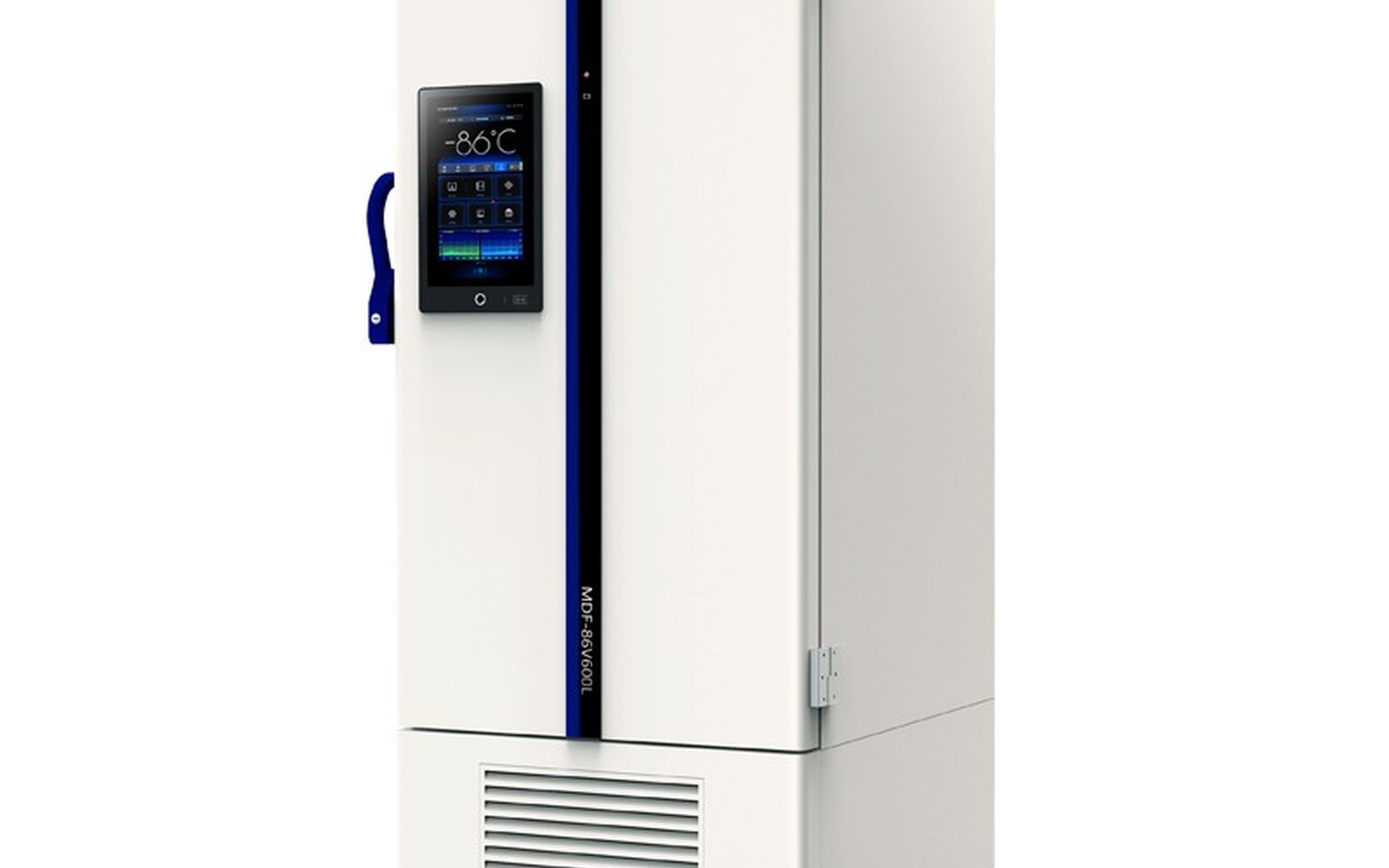
Cold-Storage Freezer
Finance a commercial cold-storage freezer for juice, concentrate, or beverage inventory. Walk-in freezers and large-format units. Flexible terms, fast approval.
Frozen concentrate is a different business than fresh juice. It unlocks a shelf life measured in months rather than days, allows production decoupled from seasonal produce availability, and opens distribution channels, including export, club-store, and foodservice bulk, that fresh juice cannot reach. The cold-storage freezer is the capital investment that makes frozen juice inventory possible, and at commercial production volumes it is a significant project. Brands scaling toward frozen concentrate, frozen packs, or long-term raw material storage all reach the same decision point: the freezer is the infrastructure that enables the business model.
We finance cold-storage freezers for juice manufacturers, beverage brands transitioning to frozen SKUs, and operations that need bulk frozen storage for concentrates, raw materials, or finished goods. Commercial walk-in freezer systems at production scale range from $40,000 to $80,000 for a modular unit appropriate for smaller operations, to $200,000 and up for large-format refrigerated warehouse sections with industrial compressors, floor heating systems to prevent slab frost heave, and redundant refrigeration to protect high-value inventory. Our financing covers that range from $50,000 upward.
Cold-Storage Freezer Configurations for Juice and Beverage
Walk-in freezer systems for beverage and juice operations operate at temperature targets that vary by application. Frozen juice concentrate is typically stored at minus 10 to minus 20 degrees Fahrenheit for long-term stability. Frozen juice packs and IQF (individually quick-frozen) product are held at minus 10 degrees Fahrenheit or below. Raw material storage for seasonal fruit purchased in bulk during peak season and held for year-round production may be held at similar temperatures. Each of these storage types requires a refrigeration system capable of achieving and maintaining the target temperature under the actual thermal load of the room, including product mass, door openings, and forklift activity.
Floor construction is a critical consideration for large walk-in freezers. Freezer floors over a concrete slab can develop frost heave if the cold migrates downward into the soil beneath the slab and freezes the ground moisture. Floor heating systems, either electric radiant or glycol loops embedded in the concrete, prevent this and are a standard feature in commercial walk-in freezer installations. This is a construction cost that is typically included in the total project budget and can be bundled into financing alongside the refrigeration equipment itself.
Redundant refrigeration (an N+1 compressor configuration) is worth considering for large frozen inventories because a compressor failure in a single-unit system risks an entire cold room of high-value product. Many juice manufacturers and contract manufacturers specify redundancy into their freezer designs to protect against catastrophic inventory loss. A redundant system costs more up front but substantially reduces the operational risk of a refrigeration failure on a weekend or during peak production.
Brands that run both a refrigerator and a freezer often want them connected with a pass-through window or a staging vestibule to move product between temperature zones without bringing frozen product into an ambient environment. We finance multi-zone cold room installations that include both a walk-in refrigeration system and a walk-in freezer as a single project.
Why Frozen Storage Enables New Revenue Channels
Fresh juice is geography-constrained. A brand without frozen storage sells within refrigerated distribution radius, which is manageable for local markets but limits scale. Frozen concentrate or frozen finished juice products ship coast to coast by standard frozen freight and can reach export markets in Asia and Europe where premium American juice brands have found willing buyers. Cold-press juice brands that have invested in freezing capability have accessed retail accounts and foodservice contracts that their fresh-only counterparts cannot serve.
Seasonal ingredient management is the other compelling case. Citrus, berries, and stone fruits have peak quality windows that are brief. A brand that can purchase at peak season and hold in frozen storage to produce year-round has a quality advantage over one dependent on whatever is available in off-season markets. The freezer is the instrument of that strategy, and the capital investment pays back in ingredient quality and purchase price over time.
For brands working with co-manufacturers or aseptic filling operations, frozen raw material storage allows them to batch-press seasonal fruit and store the raw or partially processed juice for filling on a scheduled production run at the co-man rather than being constrained by fruit availability on the run date. This production flexibility is worth significant money at scale.
Financing a Commercial Cold-Storage Freezer
For cold-storage freezer projects landing between $50k and $400k, our application-only financing works well: three months of bank statements and the contractor or equipment quote is what we need to start. Larger refrigerated warehouse installations that include structural work, insulated panels, floor heating, and industrial compressor systems typically exceed that threshold and require a full credit package. Terms run 36 to 72 months on freezer financing.
We finance as an equipment loan for brands that want to own the asset and access depreciation benefits, or as a lease for operators who prefer lower monthly payments and want flexibility to expand capacity in a few years. B and C credit operators are considered. We also work with brands that already own freezer capacity and want to do a Sale-Leaseback to pull equity out of the existing installation. The freezer stays running; you receive a lump-sum payment and make scheduled payments going forward.
Related Financing Paths
Common Questions on Cold-Storage Freezer
Straight answers before you send the equipment file.
Can I finance the construction and installation of a cold-storage freezer alongside the refrigeration equipment?
Yes, within limits. Installation labor, insulated panels, and floor heating systems that are part of the same project invoice can typically be included in the financed package. Structural construction (pouring new concrete, building walls) is less cleanable as collateral and may be treated differently by the lender. Discuss the full project scope with us and we will advise on what can be included.
I need a freezer capable of holding minus 20 degrees Fahrenheit for long-term frozen concentrate storage. Does that change the financing?
The temperature specification does not change the financing structure. What matters is the total project cost and the quality of the equipment as collateral. Industrial freezer systems capable of minus 20 degrees Fahrenheit or below are standard commercial equipment with clear resale value.
I own a walk-in cooler and want to add an adjacent walk-in freezer. Can I finance just the freezer addition?
Yes. A freezer addition to an existing cold-storage area is a standalone capital project and can be financed independently. The existing cooler does not need to be included in the transaction.
Does a cold-storage freezer qualify for bonus depreciation?
Commercial refrigeration equipment placed in service is generally eligible for bonus depreciation or Section 179 deduction under current tax law, provided the equipment is purchased (loan structure) rather than leased. Verify with your CPA, and see our bonus depreciation financing page for context.
Can I finance a used walk-in freezer from a food service or food production facility that closed?
Yes. Used walk-in freezer panels and refrigeration units from food-service or food-production facility closures are common collateral. We need documentation of the asset value, either a dealer invoice or an appraisal. Panels are often in excellent condition and the primary concern is the age and condition of the refrigeration compressor unit.
Ready to Finance Cold-Storage Freezer?
Send the equipment quote, seller, transaction size, and target timing. The financing desk will review the package and return a clear next step.