

Breweries and Craft Beverage
Finance fermentation vessels, bright tanks, kegging systems, canning lines, and cold storage for breweries and craft beverage producers. Fast approvals.
The craft beverage industry runs on stainless, and stainless is expensive. Breweries, craft cideries, hard kombucha brands, mead producers, and craft soda companies all share a production reality: the equipment is the product, and adding capacity means buying more tanks, a better canning or kegging line, a larger bright tank for conditioning, or a cold storage expansion that lets you hold more finished product before it ships. Every one of those decisions is a capital event, and the capital has to be structured for a business that may have strong tap room revenue but uneven distributor timing.
We finance brewery and craft beverage equipment for operations at every scale, from seven-barrel taproom breweries adding a second fermenter to regional distributors-in-training who are outfitting a 30-barrel production facility. The fermentation and beverage assets we see in this category are well understood by our financing team, and we do not need to explain what a bright tank does or why a canning line matters for shelf account growth.
Brewery and Craft Beverage Equipment We Finance
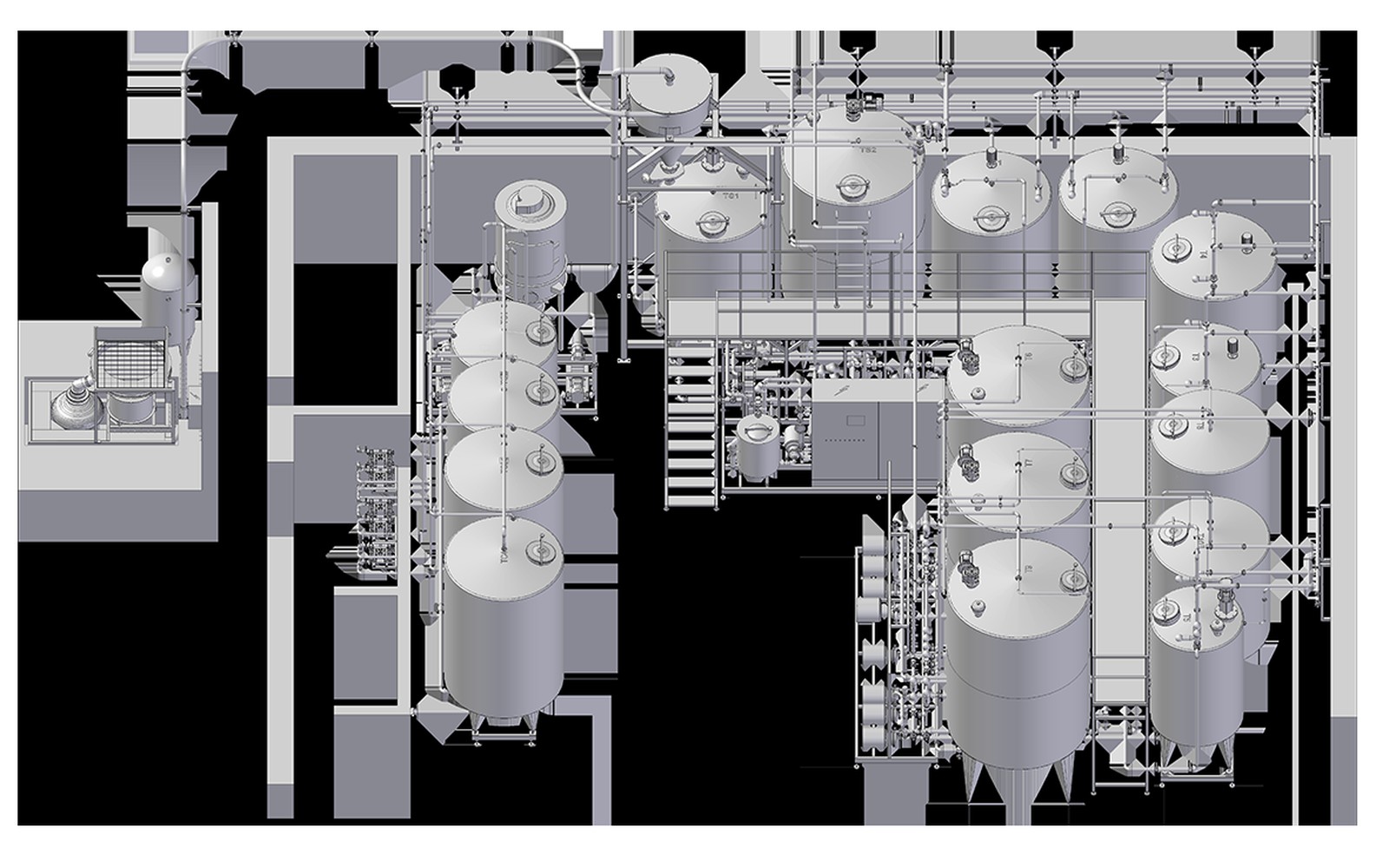
Fermentation vessels are the most common capital purchase across brewery and craft beverage. A 20-barrel jacketed conical fermenter from a reputable fabricator typically runs $15,000 to $35,000, and a brewery adding four tanks at once is looking at a $60,000 to $140,000 equipment event even before the conditioning tanks, the glycol chiller, or the cold storage. Bright tanks, which hold conditioned beer or beverage before packaging, add another layer to the fermentation infrastructure cost.
On the packaging side, the shift from kegs to cans represents the most significant capital inflection for most growing craft beverage brands. A canning line capable of commercial output with low oxygen pickup typically starts around $100,000 and scales substantially for higher-speed systems. A kegging system with a keg washer and filler is still the core asset for draft-focused operations and represents a real but more manageable capital event.
- Fermentation vessels (conical fermenters, unitanks)
- Bright tanks and conditioning tanks
- Glycol chilling and temperature control systems
- Kegging systems and keg washers
- Canning and can-seaming lines
- Walk-in and cold-room refrigeration
How Financing Works for Breweries
Brewery equipment financing is a well-traveled path in the equipment lending world, and many available equipment finance programs have specific experience with craft beverage assets. The typical deal structure for a small-to-mid brewery adding fermentation or packaging capacity lands landing between $75k and $500k. Application-only financing up to approximately $400,000 means most standalone equipment additions can move without a full financial submission.
For breweries with a taproom, the revenue visibility is strong: daily POS receipts and consistent bank deposits give lenders a clear picture of business health. For production-only facilities relying on distributor receivables, the revenue pattern is less frequent but often larger per transaction, and lenders who understand the distribution model treat that appropriately.
We also work with breweries exploring adjacent craft beverage categories, including hard cider, hard kombucha, craft seltzer, and botanical beverages, where the equipment overlaps significantly with brewing infrastructure and the financing structures are the same.
New and Used Brewery Equipment
The secondary market for brewery equipment is active, particularly in the stainless tank category. Brewery closures and capacity rightsizing create a consistent supply of used fermenters and bright tanks that often sell at 40 to 65 percent of new cost. We finance used brewery equipment, including private-party purchases, and the process is the same as for new equipment purchases with an added focus on condition documentation.
Used canning lines are also available but require more careful evaluation. Oxygen pickup performance in an older canning line can compromise product quality in ways that hurt shelf life and brand reputation. An independent inspection is worth the cost for any used canning line purchase over $50,000.
Breweries that also produce non-alcoholic craft beverages such as craft sodas, switchels, or shrubs sometimes have production lines that overlap with the wider beverage equipment world. That shared infrastructure can be co-financed, and we can handle the allocation of equipment values across beverage types if the lender requires it.
Leveraging Brewery Assets for Growth Capital
Breweries that own significant stainless infrastructure outright, whether from original buildout equity or paid-off older loans, can convert that equipment value into expansion capital through a Sale-Leaseback. The tanks stay in the facility and keep fermenting; the capital funds the taproom renovation, the packaging line upgrade, or the new cold storage that the production volume has outgrown.
Breweries also refinance equipment to improve rate or to consolidate multiple equipment obligations into a single payment. A brewery that financed fermenters, a brite tank, and a canning line through three separate vendors over several years may have three payment streams that can be consolidated into one. Equipment refinancing for consolidation can simplify cash flow management and sometimes reduce the total monthly obligation.
Related Financing Paths
Common Questions on Breweries and Craft Beverage
Straight answers before you send the equipment file.
Can I finance a complete four-tank fermenter addition as a single transaction?
Yes. Multiple fermenters purchased together, from the same or different vendors, can be bundled into a single financing transaction. One application, one approval, one payment. Include the full equipment list and vendor quotes at application.
My brewery is three years old and profitable, but we had some early payment issues on a supplier account. Will that hurt us?
Lenders look at the full credit picture. A business that is now profitable and has clean recent payment history is different from one with current problems. The story of how the business has improved matters. Apply and let us present the context rather than assuming the answer is no.
Can I finance a taproom renovation alongside brewery equipment in the same deal?
In some cases, yes. Lenders who finance restaurant and hospitality equipment sometimes include leasehold improvements in a broader transaction. Pure construction costs are harder to include, but built-in fixtures, tap systems, coolers, and bar equipment alongside production equipment can sometimes roll together.
We are adding a hard kombucha line to our existing beer production facility. Does the equipment qualify?
Yes. Fermentation and packaging equipment for hard kombucha is essentially the same category as brewery equipment, and lenders treat it similarly. A producing brewery with an established track record adding a kombucha line is a straightforward deal.
What is the longest term available for a $400,000 brewery equipment loan?
Terms of five to seven years are standard for brewery equipment. Some lenders offer up to ten years for large, durable assets like stainless fermenters and bright tanks that have long operational lives. Longer terms reduce the monthly payment but increase total interest paid over the life of the loan.
Ready to Finance Breweries and Craft Beverage?
Send the equipment quote, seller, transaction size, and target timing. The financing desk will review the package and return a clear next step.