Keg Washer and Filler
Finance a commercial keg washer and filler for juice, cold brew, or kombucha production. From $50k, B/C credit welcome, closing timed to the beverage-equipment package.
A dirty keg is a returned keg, and a slow fill line is a missed delivery. The keg washer and filler is the operational core of any draft-beverage program, and it is where most brands discover how much the wrong machine costs them in labor hours and rejected product. Getting the right unit, at the right throughput, sized for your account volume, is not a decision to make based on which unit fits in the cash budget this quarter.
We finance keg washers and fillers for juice brands, cold-brew roasters, and kombucha producers. Our minimum transaction is $50,000. Most standalone keg washer-filler purchases in the range we finance run $75,000 to $180,000, and when the machine is part of a broader kegging system buildout, the total often sits comfortably in our $100,000 to $150,000 sweet spot. B and C credit are reviewed on the whole file. Funding closes in about one to two weeks.
How Keg Washers and Fillers Are Built
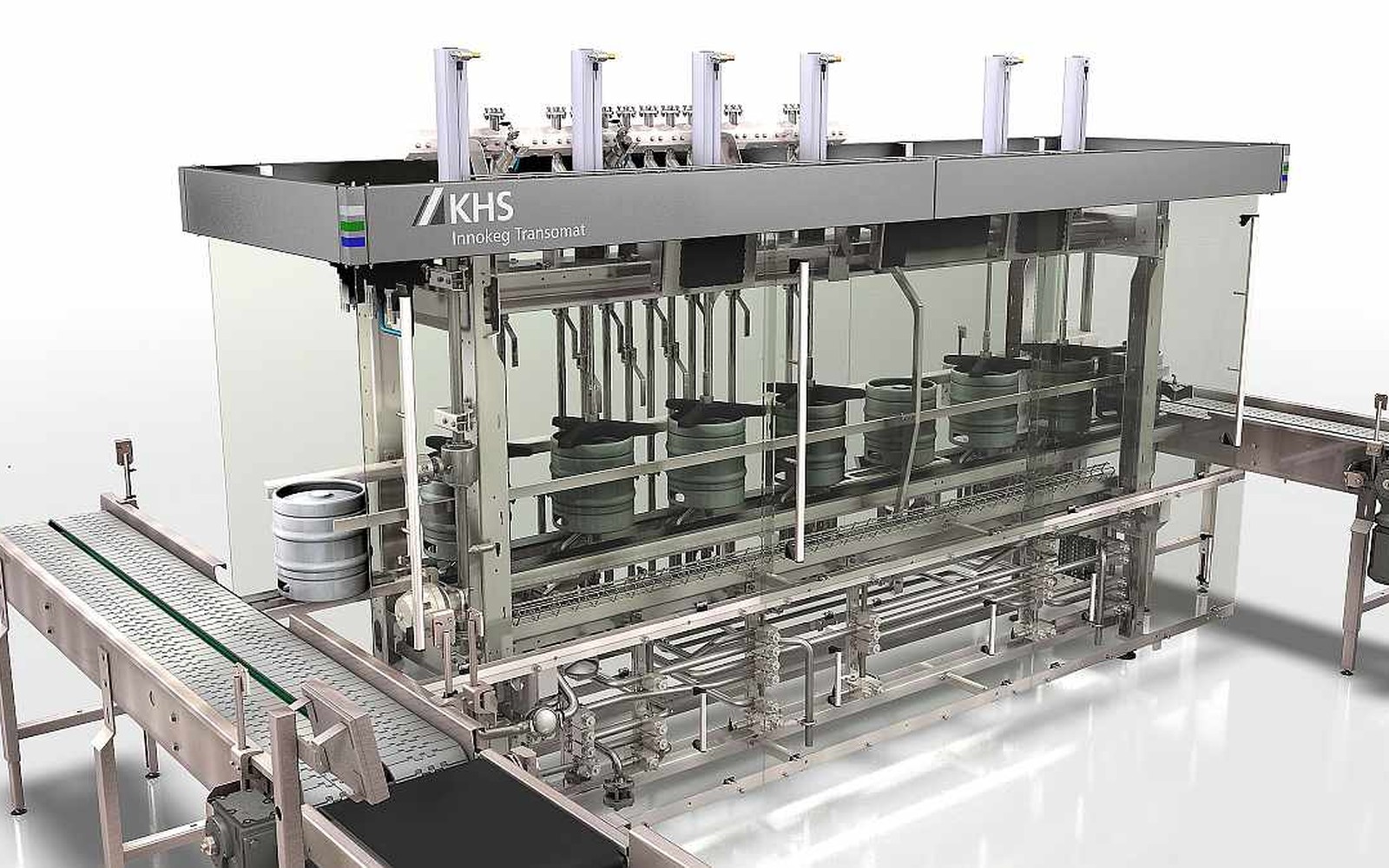
Commercial keg washing and filling systems combine two functions that must be sequentially reliable: sanitation and fill accuracy. On the wash side, a hot-caustic pre-rinse breaks down organic residue from the prior fill (critical for juice brands where pulp and sugar can linger). A hot water rinse follows, then a sanitizing rinse, and finally a pre-purge with CO2 or nitrogen that removes oxygen from the keg interior before filling. The entire sequence on a semi-automatic unit takes two to four minutes per keg.
The fill head uses a counter-pressure or isobaric filling mechanism. Counter-pressure filling pre-pressurizes the keg, then introduces liquid against that back-pressure to minimize foaming and carbonation loss. For non-carbonated cold-press juice, a straight-fill isobaric head without counter-pressure is sufficient, and the simpler mechanism reduces maintenance and cleaning time.
Throughput is measured in kegs per hour. Manual units for small juice bars process 3 to 6 kegs per hour. Semi-automatic units for growing brands run 8 to 15 kegs per hour. Fully automatic inline systems for co-packers and large juice manufacturers handle 25 to 60 or more kegs per hour and start at $150,000 to $300,000.
- Tri-clamp fittings throughout for fast, tool-free disassembly during cleaning
- Programmable wash cycles store parameters for different product types
- Keg-detection sensors prevent fill cycles from starting without a sealed keg
- Integrated CO2 or nitrogen consumption meters track gas usage per keg
New vs. Used Keg Washing and Filling Equipment
Used keg washer-filler combinations surface regularly from breweries downsizing or closing, and the pricing is appealing: units that list new at $90,000 sometimes sell for $35,000 to $55,000 on the resale market. The catch is that wash cycles on used units may need recalibration for juice and cold-brew applications, since brewery settings (longer caustic soaks, higher temperatures) can differ from what cold-press juice requires to avoid flavor contamination between batches.
We finance used equipment on keg washers and fillers from dealers or private sellers. The key requirements are operating condition, a serial number, and either a dealer inspection report or a brief written condition statement from the seller. Age under eight to ten years is preferred but not absolute.
For brands serving grocery and specialty retailers under a retailer food-safety program, there is a real argument for new equipment with documented sanitation-cycle validation records. That documentation is easier to produce when you set the machine up yourself from the factory than when you inherit someone else's settings.
Our Approval and Funding Process
The application package for a keg washer-filler deal is lean: a completed credit application, three months of bank statements, and the equipment quote or invoice. For transactions under approximately $400,000, we do not require full tax returns or financial statements. Approvals typically come back in 24 to 48 hours. Once the borrower signs the term sheet and the vendor confirms the equipment order, funding closes in about one to two weeks.
We are comfortable with draft-beverage brands at various stages of development. Kombucha producers adding draft capacity, cold-brew roasters launching a nitro cold-brew program, and juice brands entering foodservice draft for the first time all represent normal deal profiles for us. The equipment is the collateral, and its defined resale market supports the deal even when the borrower is early-stage.
Credit and What We Need
B and C credit transactions close with us regularly. A score under 680 does not end the conversation; it changes the structure slightly, often adding a personal guarantee and adjusting the rate. Time in business and monthly revenue trajectory matter more than many applicants expect. A brand 18 months old with consistent upward revenue is a different conversation than a brand 18 months old with flat or declining deposit volume.
For an application-only deal under roughly $400,000, the documentation ask is minimal: the application, three months of statements, and the equipment invoice. Above that threshold, we will ask for full financials, but most single-machine keg washer-filler purchases stay below that line.
Related Financing Paths
Common Questions on Keg Washer and Filler
Straight answers before you send the equipment file.
Can I finance a keg washer and filler separately from the rest of my kegging buildout?
Yes, as a standalone asset it qualifies for financing if the total is at or above $50,000. If the full kegging buildout exceeds that, we can structure it as a single package or as separate agreements. Tell us the full equipment list and we will advise on the cleanest structure.
How does throughput affect the appraised value of the equipment?
Higher-throughput machines generally hold value better in the resale market, which helps us lend more aggressively against the asset. A 30-keg-per-hour automatic filler from a recognized manufacturer holds value far better than a semi-automatic unit designed for 8 kegs per hour.
I owe on a previous small filler I purchased. Can I refinance it and roll the balance into a new unit?
A refinance-and-upgrade structure is possible. We pay off the existing balance on the old unit, appraise the trade-in or disposal value, and finance the new unit with the net balance. The math is straightforward; bring us the payoff amount and the new unit's quote.
Does the type of beverage I fill affect what financing options are available?
The product type does not change the financing options. The equipment category (food-grade, stainless-steel, commercial beverage) is the relevant factor for collateral classification. Whether you fill cold-press juice, kombucha, or cold brew, the equipment is in the same asset class.
What happens if my account volume grows and I need a higher-throughput unit two years in?
You can refinance the existing unit, apply the equity toward the upgrade, and finance the difference on the new machine. It is the same logic as trading up on any depreciating equipment. The earlier you call us when you are thinking about the upgrade, the smoother the transition.
Ready to Finance Keg Washer and Filler?
Send the equipment quote, seller, transaction size, and target timing. The financing desk will review the package and return a clear next step.