Smoothie Blending Station
Finance commercial smoothie blending stations for smoothie shops, juice bars, gyms, and cafes. From $50k, B/C credit considered, closing timed to the beverage-equipment package.
Smoothie volume is made at the blending station. The more cups your line can move in the morning rush, the higher your ticket count before the afternoon lull. Buying faster, more reliable blending equipment is one of the clearest revenue-per-square-foot investments a smoothie shop or juice bar can make, and most serious operations get there when they try to run their current blenders at the speed the menu demands and the equipment falls short.
We finance commercial smoothie blending stations for smoothie shops, juice bars, gyms, and multi-unit food-and-beverage operations. Our floor is $50,000, which for most blending-station deals means either a multi-unit installation for a new location or a high-capacity production blending setup for a brand producing pre-batched smoothie bases. B and C credit are considered. Application-only terms apply up to roughly $400,000, and funding closes in about one to two weeks.
Commercial Blending Stations: What Gets Financed
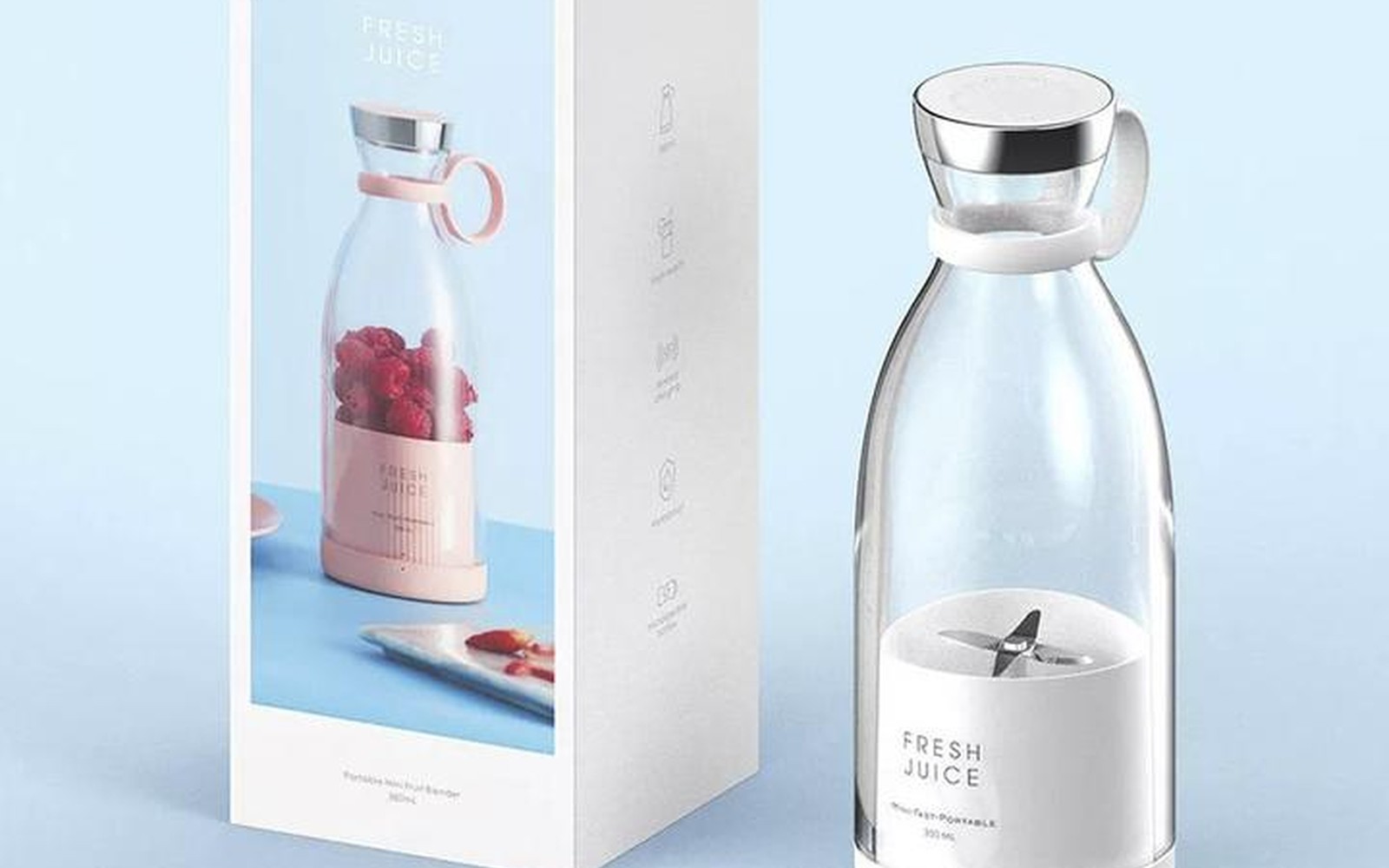
At the retail level, a commercial smoothie blending station means high-cycle blenders with enclosure sound shields, a cold top or cold table for ingredient staging, and often a point-of-sale-integrated workflow designed to minimize hand-off time between order and cup. Vitamix, Blendtec, and Waring commercial units are common at the cup-service level. These units individually price below our financing floor, but a 10-station retail buildout with cold-top infrastructure, plumbing rough-in, and blending enclosures easily reaches $60,000 to $120,000.
At the production level, the profile changes. Commercial-scale high-shear blenders and inline batch blenders for brands producing pre-made smoothie packs, cleanse programs, or meal-prep and cleanse company products are industrial assets: tank blenders with 10 to 500-gallon capacities, variable-speed drives, and sanitary CIP design. These units run $40,000 to $150,000 individually, and a full production blending cell with multiple units, transfer pumps, and jacketed holding tanks crosses $200,000 without difficulty.
The mixing and blending tank is the large-scale sibling of the blending station. For brands moving from retail blending to production-scale batching, financing both assets together under one agreement can simplify the transition from cup-level service to packaged or co-packed product.
- Sound enclosures (blending sound shields) reduce peak noise levels from 90+ dB to under 70 dB, required in many urban retail zoning contexts
- Touchscreen programmable presets match portion sizes to menu SKUs for consistency
- Stainless-steel containers with NSF-certified gaskets for food-grade sanitation
- High-wattage motors (3-4 HP or more) handle frozen fruit, ice, and fibrous greens without stalling
Operations That Finance Blending Equipment
Multi-unit smoothie shop operators fitting out a new location are the most common client. A second or third store is a real credit event: the brand has revenue history and can demonstrate unit economics at the existing location, which makes the application stronger than a first-store startup. We can usually get a multi-unit operator approved faster because the collateral story includes an operating business, not just a pro forma.
Gyms and wellness centers adding smoothie bars to their revenue mix represent a growing segment. These deals often combine blending station equipment with a small cold-top and point-of-sale setup, and the total can hit our floor if the gym is building out a dedicated station rather than adding a single countertop unit.
Hotels and resort properties building out wellness amenities, including juice and smoothie programming for guests, also come to us for blending station financing. Resort-scale smoothie buildouts at properties like wellness retreats often run well above our $100,000 sweet spot and include production-level batch blending alongside retail service equipment.
How the Financing Works
Most blending station deals structure as a straightforward equipment loan: fixed monthly payment, defined term of 36 to 60 months, and full ownership at payoff. For multi-unit operators who want to preserve cash for inventory and staffing during a new-location launch, a lease structure with lower monthly payments and an end-of-term purchase option (as low as $1 for owned-equipment leases) is worth modeling.
The documentation is lean for deals under our application-only threshold: credit application, three months of business bank statements, and the vendor quote or equipment list. We do not need a business plan or tax returns for most blending-station transactions. If the deal is for a startup location with no business revenue yet, we lean on the owner's personal credit and the strength of the broader buildout being financed. First-store applications with strong personal credit (680 or above) and a detailed equipment plan do close with us.
Related Financing Paths
Common Questions on Smoothie Blending Station
Straight answers before you send the equipment file.
Can I include the cold-top and refrigeration in the blending station financing?
Yes. Cold-top equipment, refrigerated ingredient drawers, and the blending station can go on one agreement as a package. The combined total just needs to clear $50,000, which a full station build typically does.
I am opening my first smoothie shop. Will a startup loan work?
Startup applications are reviewed case by case. Personal credit above 680, a clear equipment plan, and a signed lease on the space all improve the odds. The equipment itself has tangible collateral value, which helps even when business revenue history is zero.
What is the typical loan term for a blending station package?
Most clients choose 36 to 48 months. Shorter terms lower total cost; longer terms reduce the monthly payment. We model both at no cost so you can pick the structure that fits your projected revenue in year one.
Can I add a second location to the same financing arrangement later?
Yes. After the first location is operational and generating revenue, a second-location application is typically stronger than the first. You can apply for a separate agreement for the new location, and we will look at the combined portfolio.
Is blending equipment considered a strong collateral asset?
Commercial-grade blending stations from known brands have an active resale market through restaurant equipment dealers. The equipment holds reasonable residual value, particularly for high-wattage units with sound enclosures. That collateral quality is one reason blending-station deals close even with B or C credit profiles.
Ready to Finance Smoothie Blending Station?
Send the equipment quote, seller, transaction size, and target timing. The financing desk will review the package and return a clear next step.