No-Money-Down Equipment Financing
Finance cold-press juicers, bottling lines, HPP machines, and full production setups with no money down. Preserve working capital and get your batch running.
Your next batch does not have to wait on a down payment. Zero-down equipment financing lets beverage founders and juice producers put commercial presses, filling lines, and cold-storage systems into production without draining the cash reserves that keep the business moving between wholesale orders. The cold press starts earning on batch one. The working capital stays where you need it: payroll, produce sourcing, label runs, freight.
We work with juice bars, cold-press juice brands, co-packers, and functional-beverage startups from Los Angeles to Brooklyn. Across all of those businesses, the operators who scale fastest are rarely the ones with the biggest reserves. They are the ones who structure equipment buys so capital stays fluid while throughput grows. No-money-down financing is how that works in practice.
Our minimum is $50,000, with a sweet spot between $100,000 and $500,000 for mid-tier production equipment. Application-only approvals are available up to roughly $400,000, meaning the paperwork is light and the decision comes back fast. Funding typically lands within one to two weeks of approval, and we consider B and C credit alongside stronger profiles.
Who Uses Zero-Down Financing
The clearest case is a brand that has proven its SKU. You have a retail account that wants twelve-ounce HPP juice on the shelf in sixty days, but the high-pressure processing machine you need is $350,000 and your cash is committed to the produce contracts that fill the order. Zero-down means the machine arrives, the batch ships, the invoice gets paid, and you did not have to choose between the equipment and the inventory.
The second case is a juice bar growing from one location to three. Each buildout needs a commercial cold-press setup, a walk-in refrigeration system, and a filling station. Putting 10 to 20 percent down on each location compounds the drain. Financing the full equipment cost preserves cash for lease deposits, staff training, and the marketing that fills seats on opening week.
A third case is the co-packer adding a second bottling line to take on a new contract. The contract itself is the collateral story the lender needs. Revenue from the new account services the payment. Down payment money would just sit in the equipment instead of working.
- Cold-press juice brands scaling to retail distribution
- Juice bars opening second and third locations
- Beverage co-packers adding capacity for a new client contract
- Functional-beverage startups placing first-run production orders
- Smoothie and cleanse brands moving from third-party kitchens to owned production
How Zero-Down Financing Works
Zero-down is a structuring choice, not a separate loan product. We finance 100 percent of the equipment invoice, meaning the lender funds the full purchase price and you make fixed monthly payments from day one. The payments are sized based on the equipment value, your credit profile, and the term selected, typically 36 to 72 months for beverage production gear.
On an equipment loan structure, you own the machine from closing. Title transfers immediately, which matters if you plan to pledge the equipment as collateral for another line later or if Section 179 deductions are part of your tax plan. On a lease structure, payments may be lower and end-of-term options (purchase, return, or renew) give you flexibility if you expect to upgrade in four years as throughput grows.
Lenders do look at a few things even when you are not putting money down. Time in business (generally two or more years for application-only), business bank statements for the past three months, and the equipment invoice are the core documents for most submissions in our $50,000 to $400,000 range. Stronger credit profiles and longer operating histories attract better rates; we work with B/C credits too, though the rate reflects the risk.
One practical note: lenders typically want the equipment to have clear resale value. Production-grade presses, HPP machines, industrial fillers, and refrigeration systems all qualify easily. Highly customized one-off builds or equipment that is truly single-purpose with no secondary market are harder, and down payment requirements may appear in those cases.
What Zero-Down Financing Costs
The trade-off for no down payment is straightforward: your monthly payment is higher than it would be if you put 15 percent down, because the lender is financing more principal. Over a 60-month term on a $200,000 cold-press line, the difference between zero-down and 15-percent-down is typically a few hundred dollars per month. Whether that monthly delta is worth preserving the cash depends entirely on what you do with the capital you keep.
If the $30,000 you would have put down goes to produce contracts that fill three more wholesale accounts, the math almost always favors zero-down. If it sits in your checking account because you are uncertain about near-term revenue, a modest down payment might reduce your monthly obligation and risk profile.
Rate ranges vary by credit profile, term length, and equipment type. We do not publish rate tables because they shift with the credit markets and every deal has its own variables. What we can say honestly: application-only deals at $150,000 to $400,000 for strong-credit juice brands close at competitive rates. B/C-credit deals happen, but expect the rate to reflect the added risk and perhaps a shorter initial term with a renewal option.
Consider pairing zero-down with Section 179 financing if your accountant has confirmed the deduction is available this year. You can sometimes deduct the full equipment cost in year one while spreading the cash outlay over five years, which is a strong combined position for a growing brand.
New Equipment vs. Used Equipment on a Zero-Down Deal
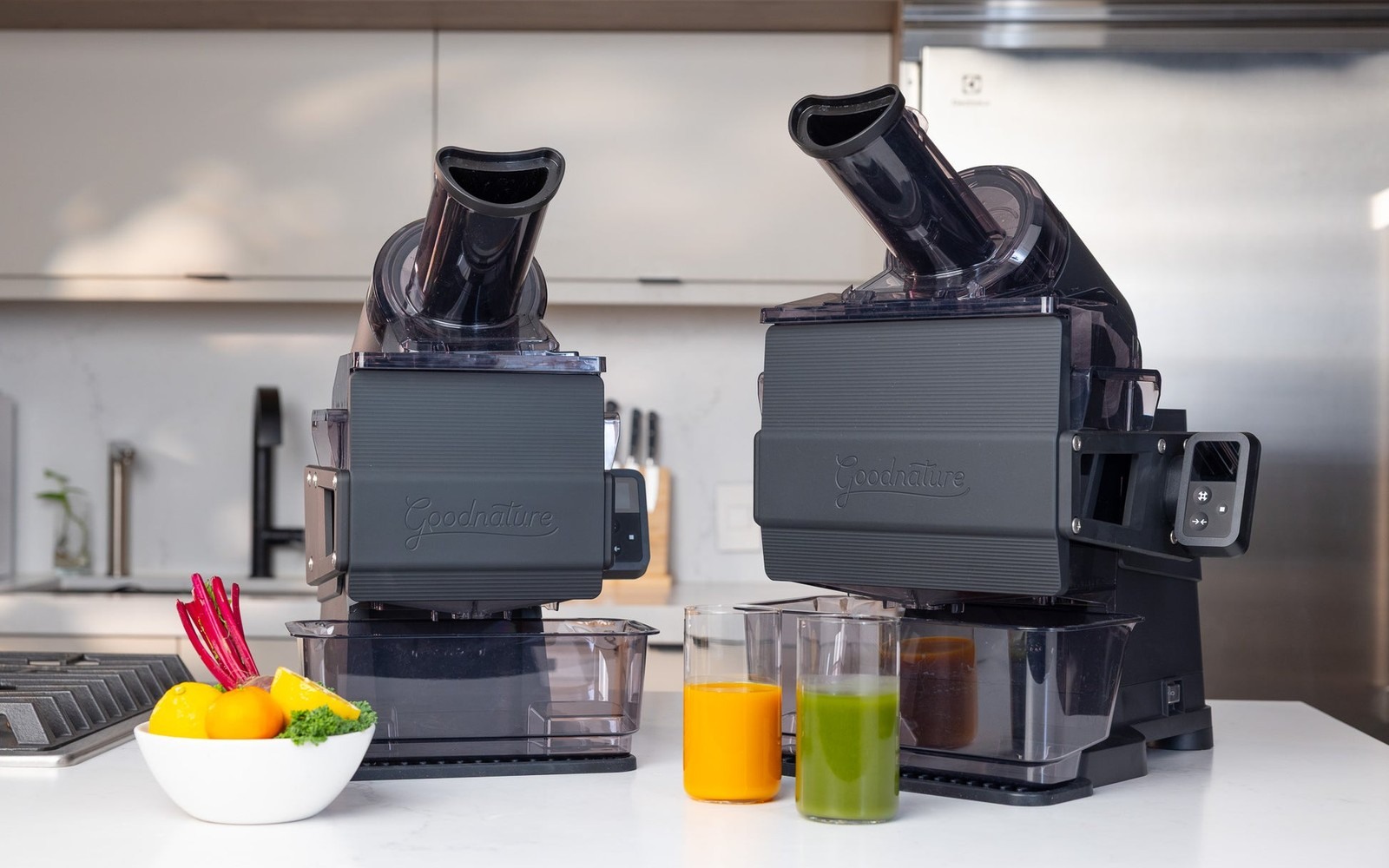
Zero-down financing is available for both new production lines and used equipment. Used gear at a fair market price is often the smarter buy for a startup that wants to prove throughput before committing to a $500,000 new press. A used Goodnature hydraulic press or a second-hand commercial pasteurizer can be financed at full value as long as the appraised or invoice price is defensible and the machine is in working order.
The lender will want documentation of condition for used equipment deals, typically a bill of sale and sometimes a third-party inspection or maintenance record. If you are buying used juicing equipment from a dealer, that documentation usually comes with the sale. Private-party purchases (buying a press from another juice producer directly) add a step that the private-party equipment purchase financing structure handles specifically.
Age matters. Equipment older than ten years may face down payment requirements depending on the lender, because resale value drops and remaining useful life shrinks. A five-year-old Bucher HPX press or a three-year-old Hiperbaric HPP unit in good condition is a different conversation from a fifteen-year-old centrifugal extractor with heavy wear.
Get Your Batch Running Without the Down Payment
Tell us about the equipment you are buying and the revenue picture behind it. We will come back with a term sheet that shows exactly what zero-down financing costs and what you keep in working capital. Juice brands, co-packers, and juice bars are all in our wheelhouse, and approval timelines are short. Let us run the numbers.
Related Financing Paths
Common Questions on No-Money-Down Equipment Financing
Straight answers before you send the equipment file.
Does zero-down financing mean I pay a higher interest rate?
Not necessarily a higher rate, but your monthly payment will be larger because you are financing more of the equipment cost. The rate itself depends on your credit profile, time in business, and the specific lender, not on whether you made a down payment. The difference in monthly cost between zero-down and putting 10-15 percent down is often modest relative to the cash you keep available for produce, inventory, and other operating needs.
My juice brand has been in business for 14 months. Can I still qualify?
Fourteen months is on the shorter side for application-only deals, which generally look for two-plus years of operating history. That said, if you have three months of consistent bank statements and can show growing revenue, some lenders will work with you at a slightly higher rate or with a modest down payment. Startups with a clear retail contract or purchase order in hand have a stronger story than purely speculative applications.
Can I finance a full juice production line with zero down, not just one machine?
Yes. We commonly structure deals that cover an entire production buildout: press, pasteurizer, filler, capper, labeler, and refrigeration as a single loan. The lender looks at the aggregate equipment value and your ability to service the payment. A complete line often makes a stronger collateral story than a single piece because the combined asset value is clear and the line as a whole has obvious commercial purpose.
What if I already have a business loan outstanding? Will that block approval?
Existing debt does not automatically block equipment financing. Lenders look at your debt-service coverage: your operating income relative to all your existing payments plus the new payment. If your revenue supports the full load, the existing loan is not disqualifying. If coverage is thin, a co-applicant or a slightly shorter term to lower the monthly payment can sometimes resolve the issue.
Is zero-down available on a lease structure as well as a loan?
Yes. Both equipment loans and equipment leases can be structured without a down payment. The lease path often has lower monthly payments and may include end-of-term options to purchase, return, or upgrade the equipment. If you think you will want a newer press or filler model in four years as production scales, a lease without a buyout obligation can be the more flexible play.
Ready to Finance No-Money-Down Equipment Financing?
Send the equipment quote, seller, transaction size, and target timing. The financing desk will review the package and return a clear next step.