Nitro Cold-Brew System
Finance a commercial nitro cold-brew system for your cafe, roastery, or beverage brand. From $50k, B/C credit considered, closing timed to the beverage-equipment package.
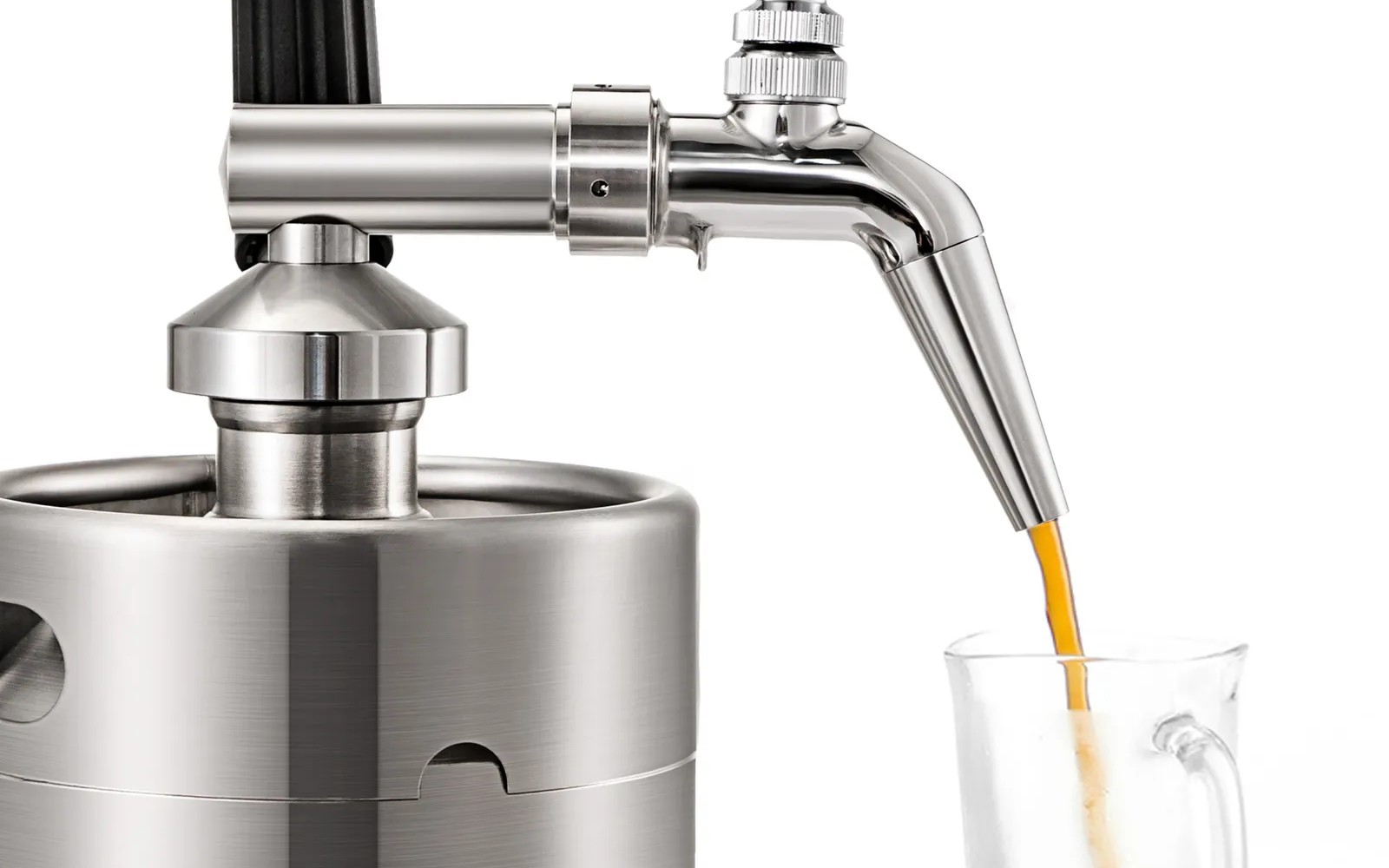
Nitro cold brew moves faster than regular cold brew and charges more per cup. The nitrogen infusion creates a cascading texture and a creamy mouthfeel that justifies a $1 to $2 premium at nearly every café that sells it. Building a production system that can supply your draft tap, your packaged cans, and eventually a wholesale keg account requires more than a countertop tap tower. The equipment starts at $50,000 for small-scale batch systems and scales to $300,000 or more for a full production line with inline nitrogen infusion, kegging, and canning capability.
We finance nitro cold-brew systems for coffee and cold-brew roasters, juice bars expanding into cold-brew programming, and functional beverage startups entering the RTD cold-brew market. Starting at $50,000, with a sweet spot of $100,000 to $150,000, and both B and C credit reviewed on the full profile. Applications up to roughly $400,000 move on application-only terms, with funding in about one to two weeks.
What a Commercial Nitro Cold-Brew System Includes
A production nitro cold-brew setup is a chain of assets, not a single machine. The chain starts with cold-brew steep tanks, typically stainless-steel jacketed vessels ranging from 100 to 500 gallons where ground coffee steep-extracts in cold water for 12 to 24 hours. After steeping, the concentrate is filtered through a sanitary bag filter or plate filter to remove grounds and fine particulate.
The filtered concentrate then passes through an inline nitrogen infusion module. This device uses a porous stainless-steel tube submerged in the cold-brew flow; nitrogen gas bubbles through the tube walls and saturates the liquid under pressure. The nitrogen level is controlled by gas pressure and flow rate and determines the final mouth feel and visual cascade in the cup. Inline nitrogen infusion systems suitable for commercial production start at $15,000 to $40,000 and need to be calibrated to your cold-brew concentration and target dissolved nitrogen level.
From the infusion stage, the nitro cold brew goes into storage or directly to filling. The filling destination determines the next equipment: a keg washer and filler for draft accounts and wholesale kegs, a canning line for RTD canned product, or a bag-in-box filler for foodservice accounts. Each of those endpoints has its own equipment cost and complexity.
- Nitrogen purity at 99.5% or higher is required for food-grade nitrogenation
- Stainless-steel 316L jacketed steep tanks maintain temperature without contamination from external cooling systems
- Inline infusion modules are CIP-compatible for daily sanitation between batches
- Tap tower and keg-coupler fittings must match the keg format serving your draft accounts
The Market That Makes Nitro Cold Brew Worth the Capital
Nitro cold brew has moved from specialty coffeehouse novelty to mainstream retail presence. Major grocery chains stock canned nitro cold brew, foodservice broadliners include nitro cold brew in their coffee programs, and the RTD coffee segment has grown consistently for several years. The route to that market for an independent roaster or beverage brand requires a production system capable of maintaining nitrogen saturation levels through packaging and a shelf-life structure that keeps the product fresh to the consumer's pour.
Canned nitro cold brew requires both a canning line and a seamer capable of maintaining nitrogen atmosphere in the headspace. Brands building toward RTD shelf presence typically phase the investment: nitro production and draft kegging first, then canning capability once the draft revenue justifies the next capital event. Financing the first phase without exhausting the cash reserves that fund the second phase is the logic we help brands structure.
Refinancing Into a Larger Nitro System
Brands that started with a small steep-tank-and-keg setup often outgrow it within 18 to 24 months of landing their first wholesale accounts. The typical upgrade path goes from a 100-gallon batch system to a 300- or 500-gallon continuous steep operation, and the capital requirement is real. A cash-out refinance on the existing equipment can provide capital toward the upgrade, or a straight refinance-and-upgrade transaction where we pay off the existing note and finance the new system in one closing is often the cleanest path.
We also structure Sale-Leaseback transactions for established cold-brew brands that own their steep tanks outright and want to unlock that equity for marketing, payroll, or additional batch inventory without disrupting operations.
Start Your Nitro Cold-Brew System Financing
Tell us the equipment list and the production scale you are targeting. We put a term sheet together in 48 hours so you can get the nitrogen infusion line producing before your next seasonal launch.
Related Financing Paths
Common Questions on Nitro Cold-Brew System
Straight answers before you send the equipment file.
Can I finance the steep tanks, infusion module, and kegging equipment as one package?
Yes. Bundling the full nitro production chain on one agreement is the cleanest approach. We list each piece of equipment as collateral, and the combined value gives us more to lend against than a single-piece application.
Does the infusion module qualify as a stand-alone financed asset?
If the module price alone clears $50,000 and you can document its value with a vendor invoice, it qualifies. That said, most infusion modules landing between $15k and $40k fall below our floor on their own. Bundling with steep tanks or kegging equipment solves that easily.
I am a juice bar adding cold brew to my menu. Do I qualify even though cold brew is not my core product?
Yes. We look at the business as a whole, not a single revenue line. A juice bar with consistent deposit history adding a cold-brew program is a reasonable credit profile. The equipment is the collateral, and beverage equipment of this type has a defined resale market.
How does my lender handle equipment installed in a leased commercial kitchen?
Equipment in a leased space is financed as a secured transaction against the equipment, not the real property. We may ask for a landlord waiver letter acknowledging that the equipment is not a fixture of the leased building, which most landlords sign without difficulty.
Can I use Section 179 to deduct a nitro cold-brew system in the year I purchase it?
Potentially. Beverage production equipment typically qualifies for Section 179 or bonus depreciation in the tax year placed in service. The specific deduction depends on your overall tax position and your accountant's guidance. Financing does not prevent you from taking the deduction on the full equipment cost.
Ready to Finance Nitro Cold-Brew System?
Send the equipment quote, seller, transaction size, and target timing. The financing desk will review the package and return a clear next step.