Conveyor System
Finance a conveyor system for your juice or beverage production line. Stainless belt, chain, or accumulation conveyors, flexible financing, fast turnaround.
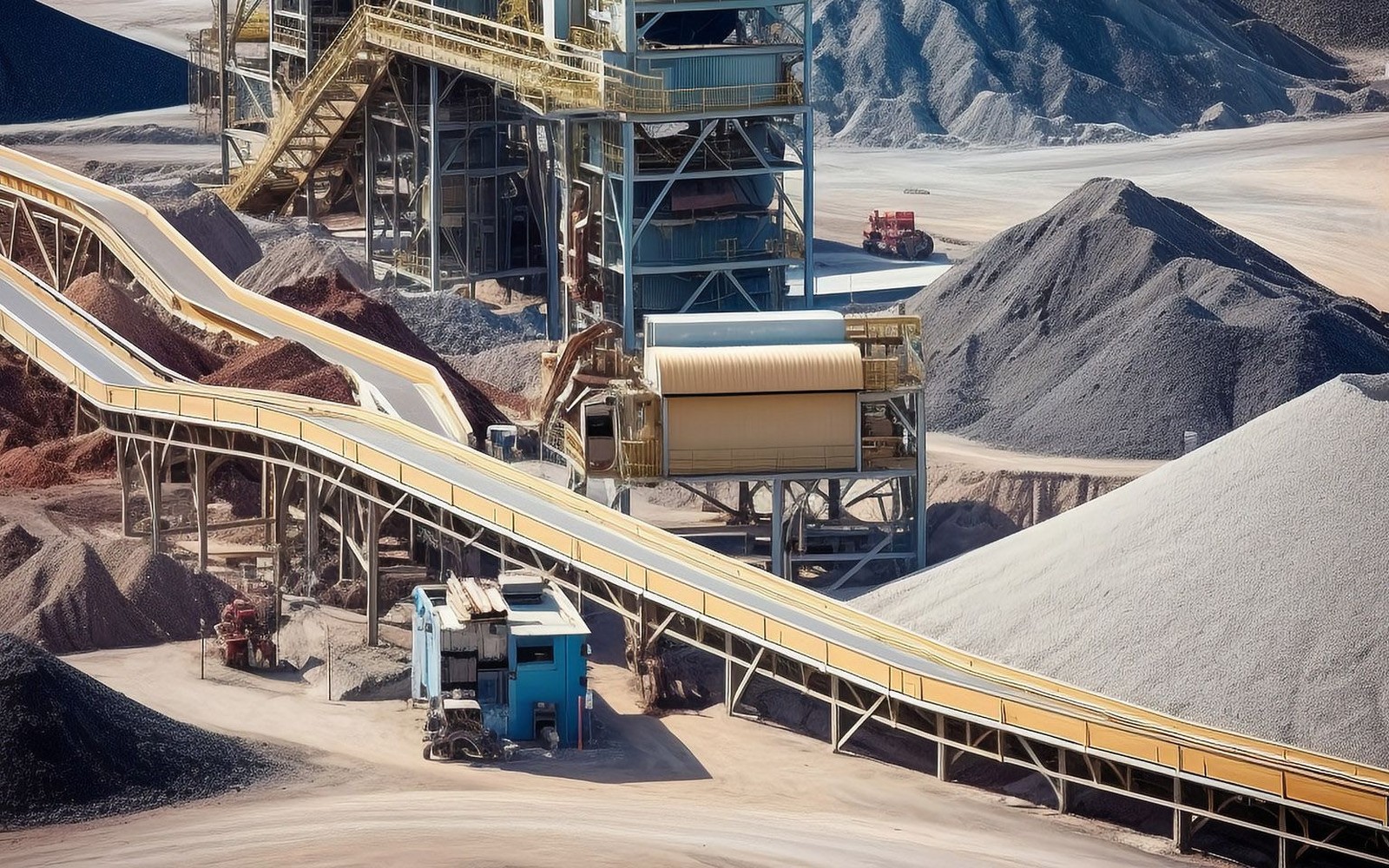
A production line is only as connected as its conveying. You can invest in the best filler, the most accurate labeler, and a capable seamer, but if bottles are being moved between machines by hand or the flow between stations is uncontrolled, you have not built a production line. You have built a collection of machines that happen to be in the same room. A conveyor system is what converts individual pieces of equipment into an integrated line, controlling the flow of containers from one station to the next at the speed the line is designed to run, with the buffer accumulation that keeps everything from stopping every time one station slows momentarily.
We finance conveyor systems for juice brands, beverage co-packers, and beverage manufacturers who are tying together filling, capping, labeling, and packaging equipment into a cohesive production flow. Single conveyor runs for a simple two-machine connection might start at $15,000 to $30,000, which falls below our financing minimum. Complete conveyor systems that integrate an entire line with accumulation tables, diverters, lane guides, and a tunnel pasteurizer or blast chiller section cost $60,000 to $300,000 and above, which is well within our financing range. If your conveyor project as a total system meets our $50,000 minimum, we can fund it.
Conveyor Types for Juice and Beverage Lines
Flat-top (or table-top) chain conveyors use modular plastic chain links that form a flat surface for containers to ride on. They are standard in beverage production because they handle a wide range of container types, are easy to clean, and can turn corners using curved track sections without transferring containers between separate conveyor segments. Flat-top chains are available in various widths and are sanitary enough for food-grade production environments. Most juice and beverage production lines use some form of flat-top chain conveyor as the primary container transport.
Belt conveyors use a continuous fabric or rubber belt and are less common in liquid beverage production but appear in produce washing and sorting operations upstream of juice extraction, and in packaging operations downstream where cartons or cases rather than individual containers are being moved. For a complete juice brand operation, a combination of chain conveyors on the production line and belt conveyors in the warehouse and staging area is common.
Accumulation conveyors and accumulation tables are critical at points where the line speed may not be perfectly matched between stations. An accumulation table between a filler and a labeler, for example, allows the labeler to run briefly slower without stopping the filler; the buffer absorbs the mismatch. This becomes more important as line speed increases and as the number of stations in the line grows. A line running at 100 bottles per minute with no accumulation stops completely every time the labeler pauses to reset. A line with a 60-second accumulation buffer can absorb that pause without impacting filler output.
Stainless steel construction is standard for food-grade conveyors in juice and beverage production. The frame, track, and supports need to be cleanable with standard sanitizers without corroding, and the gaps and joints in the system need to be designed to avoid product and sanitation solution accumulation points. Conveyor systems that integrate into a CIP system or are designed for wet-environment cleaning are common in juice facilities where the floor and equipment get a daily washdown.
Financing a Conveyor System
Conveyor systems are often quoted and purchased as a custom or semi-custom installation by a conveyor integrator who designs the layout, sources the components, and installs the system around your specific line configuration. This means the financing is typically based on an integrator quote rather than an off-the-shelf equipment invoice, which is fine with us. We finance based on the total installed cost of the system as documented by the integrator's contract or purchase order.
For conveyor projects landing between $50k and $400k, our application-only process applies. Three months of bank statements and the project quote. Decisions in two to three business days. Complete line integration projects that include conveyors as part of a larger system (filler, labeler, capper, and all the conveying between them) often exceed $400,000 and go through a standard credit review, but those still close within a predictable timeline.
We offer both equipment loans and leases on conveyor systems. Many beverage brands prefer a loan because conveyors are custom-installed and difficult to upgrade incrementally, making ownership rather than leasing the more natural structure. Terms run 36 to 60 months in most cases.
Refinancing Existing Conveyor Infrastructure
Brands that have invested significantly in conveyor infrastructure and are carrying that on the balance sheet unencumbered can sometimes access capital through a Sale-Leaseback. This is less common for conveyors than for standalone equipment because conveyors are often built into the facility as a semi-permanent installation, which can complicate the collateral picture. However, for free-standing modular conveyor systems that are clearly separable from the building, this option is worth exploring if you need working capital and have significant value tied up in line infrastructure.
More commonly, brands refinance a complete line (filler, labeler, conveyor, and associated equipment as one package) rather than the conveyor in isolation. We are comfortable with that approach and can structure the refinance around the full system value.
Related Financing Paths
Common Questions on Conveyor System
Straight answers before you send the equipment file.
Can I finance a conveyor system that is being custom-installed by an integrator rather than purchased as a product?
Yes. Custom conveyor installations are financed regularly. We finance based on the integrator's quote or purchase contract. The installed system is the collateral, and we are comfortable with that structure as long as the integrator is established and the system is documented.
My conveyor project is $35,000. Can I bundle it with other equipment to meet the $50,000 minimum?
Yes. Combining a conveyor with a related piece of production equipment, like a labeler, a capper, or an accumulation table, to bring the total above $50,000 is a common approach. We treat the combined package as one transaction.
Can I finance a conveyor system that integrates with my existing equipment, including pieces I already own?
Yes. The financing covers the new conveyor installation. It does not need to include all the equipment it connects to. We are financing the capital cost of the new conveyor system, not the value of your existing line.
How does a lender value a custom conveyor system as collateral?
Custom conveyors are less liquid as collateral than standard off-the-shelf equipment because they are configured for a specific facility layout. Lenders tend to value them conservatively relative to original cost. This does not prevent financing, but it means the loan-to-value on a custom system may be slightly more conservative than on a standard piece of production equipment.
I need to add accumulation tables between my filler and labeler. Is that small addition financeable?
A standalone accumulation table addition is typically too small for our $50,000 minimum. If you are also making other improvements to the line at the same time, bundling them can bring the total above the threshold. If the project is truly just the accumulation tables, the amount may need to be handled differently.
Ready to Finance Conveyor System?
Send the equipment quote, seller, transaction size, and target timing. The financing desk will review the package and return a clear next step.