

HPP Tolling System
Financing for businesses building or acquiring HPP tolling capacity. Flexible terms, fast approvals, deals from $50k. B/C credit considered.
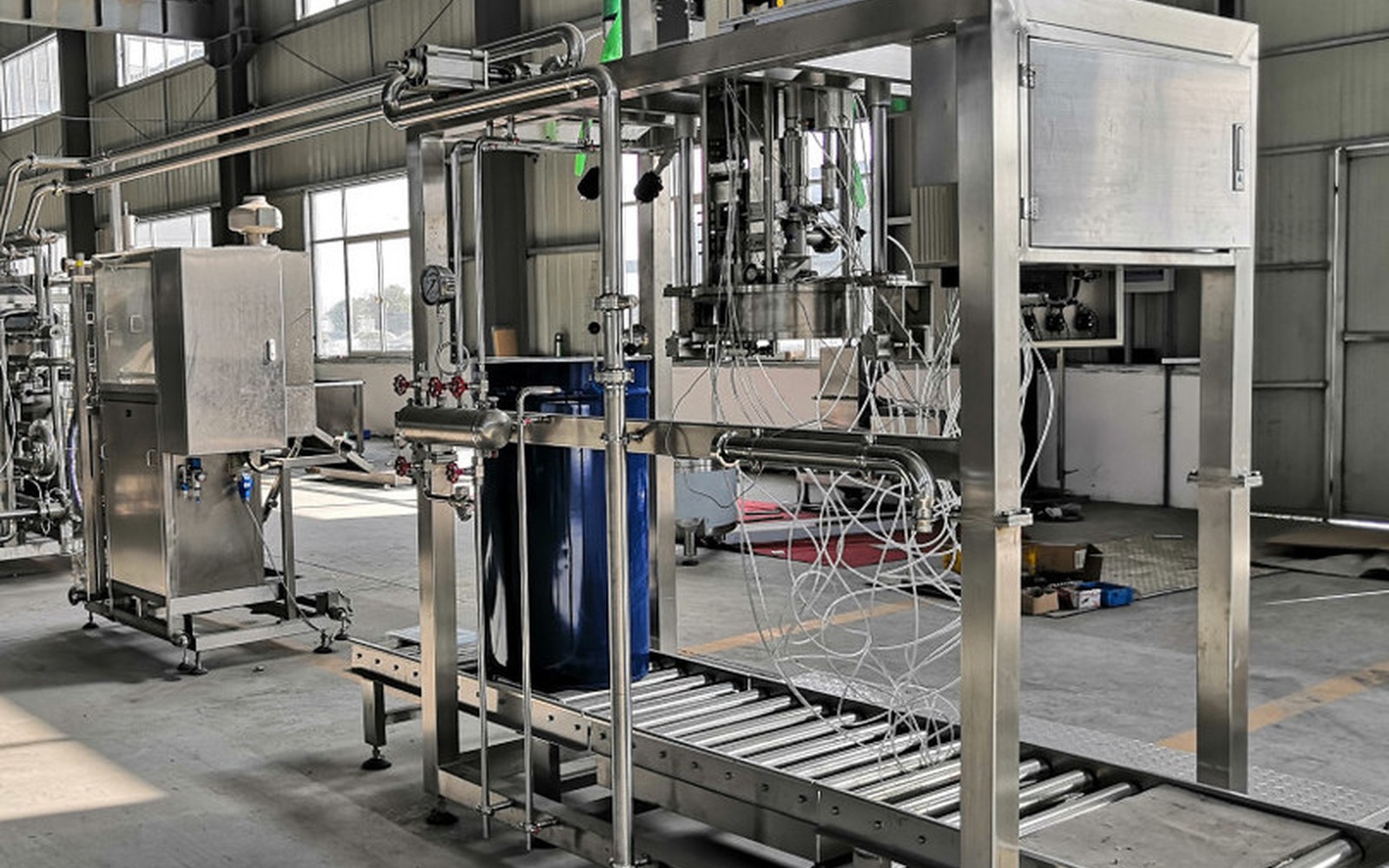
Owning the HPP capacity that other brands depend on is a different business than being one of those brands. An HPP tolling operation acquires one or more high-pressure processing machines, builds the throughput infrastructure around them, and then sells cycle time to brand clients at a per-unit or per-cycle fee. The business model converts fixed equipment capital into recurring service revenue, and the economics scale attractively when machine utilization climbs above 70 to 80 percent. Getting an HPP tolling system operational requires the machine, the loading and unloading automation, the cold-chain handling equipment, and the facility buildout to house and certify it all. That is a multi-million-dollar project for serious entrants, and financing is how that capital is deployed without consuming an entire company's reserves.
Financing for an HPP tolling operation is fundamentally an equipment financing problem, not a different category of finance. The HPP machine or machines are the core asset, and everything else in the tolling operation supports them. We structure deals around the machine or machines as primary collateral, with ancillary equipment bundled in where it makes sense.
The HPP Tolling Business Model
HPP tolling operations exist because the capital cost of an HPP machine, which starts around $700,000 for the smallest commercial Hiperbaric units, is prohibitive for most early-stage and mid-size juice brands. A tolling facility amortizes that cost across dozens of brand clients, charging per unit or per cycle. Tolling clients get the HPP processing they need for their retail and food-service programs without the capital commitment of machine ownership. The tolling operator gets predictable contract revenue from a diversified client base.
The U.S. has a relatively thin network of HPP tolling facilities compared to the demand from the cold-pressed juice, raw pet food, guacamole, and ready-to-eat segments that all use HPP processing. That supply constraint makes a new tolling operation entering a region with existing cold-press juice brands a compelling business case if the capital is structured correctly. A new facility in an underserved market can fill capacity with signed tolling contracts before the machine is even delivered, which is the ideal position for a financing application.
Financing the HPP Tolling Operation
An HPP tolling operation's financing has two layers. The first is the machine itself, which is the primary collateral and the largest single cost. The second layer includes cold-chain handling equipment, conveyors, loading systems, refrigeration, and facility preparation. We can structure a single deal covering the machine and all ancillary equipment as a bundled transaction, or structure separate facilities for the machine and the surrounding infrastructure.
Tolling operations frequently pursue an equipment loan rather than a lease because the machines have long operational lives and the owner wants to hold the asset. A Hiperbaric machine properly maintained can run for 15 to 20 years, making a 60- to 72-month loan a fraction of the machine's productive lifespan. Paying off the machine in five or six years and then operating debt-free on the HPP asset is a path that makes strong financial sense for the tolling business model.
Deals for HPP tolling operations above $400,000 require full financial documentation including business and personal tax returns and three to six months of bank statements. New tolling operations without operating history rely more heavily on the business plan, projected client contracts, and the personal credit and capital position of the principals. Including signed or letter-of-intent tolling agreements from prospective clients materially strengthens a new-business application.
When Tolling Gives Way to Brand Ownership
Some HPP tolling operations begin as toll processors and eventually launch their own brands using excess machine capacity. The reverse is also common: a brand that has successfully scaled to justify machine ownership considers opening tolling capacity to outside clients to offset machine costs. Both evolutions involve a financing conversation, and the equipment is the same in either case.
For an established tolling operation that wants to refinance its HPP machine after several years of operation, a cash-out refinance can pull equity from the machine to fund a second HPP unit or facility expansion. An operation running two Hiperbaric 525 machines at high utilization has significant machine equity after three or four years of loan paydown, and refinancing to acquire a third machine is a natural growth step. We have structured multi-machine tolling deals and can layer in additional units under master agreements as the operation grows.
HPP tolling facilities also benefit from aligning with beverage co-packers who offer HPP processing as part of a broader co-packing service. Some co-packers add HPP capability specifically to retain clients who need the processing for their retail programs.
Depending on the situation, consider FMV vs. $1 Buyout Lease, and TRAC Lease.
Related Financing Paths
Common Questions on HPP Tolling System
Straight answers before you send the equipment file.
Does having signed tolling contracts from clients strengthen a financing application for a new HPP operation?
Significantly. Signed tolling contracts or binding letters of intent from prospective clients demonstrate that the machine will have immediate revenue-generating work, which is the core concern in any pre-revenue equipment deal. Include contract documents or signed LOIs in your application package.
Can I finance a second HPP machine while the first is still under loan?
Yes, provided the business qualifies for the additional debt. Lenders look at the total debt service ratio and the revenue the existing operation generates relative to existing payments. A well-utilized first machine generating strong revenues supports the case for a second machine financing.
We are adding HPP tolling capacity to an existing co-packing operation. Does our co-packing revenue support the new HPP loan?
Yes. Existing co-packing revenue is the foundation of your credit file, and a co-packer adding a new service line is a known and understood business model. The lender will want to see that existing operations can carry the new payment while HPP tolling revenue ramps up.
Is the HPP machine from Hiperbaric the only option lenders are comfortable with?
Hiperbaric is the most widely recognized and has the deepest secondary market, which gives lenders the most confidence in residual value. Avure machines and other brands are also eligible for financing. The less-familiar the manufacturer, the more the lender may focus on the overall business strength rather than the equipment's standalone collateral value.
What is the typical term length for HPP machine financing in a tolling context?
Most HPP machine deals in a tolling context run 60 to 84 months. Longer terms lower the monthly payment, which matters when tolling revenue is still building in the first year. The machine's long operational life, potentially 15 to 20 years, supports extended terms without creating a situation where the loan outlasts the equipment.
Ready to Finance HPP Tolling System?
Send the equipment quote, seller, transaction size, and target timing. The financing desk will review the package and return a clear next step.