Norwalk 280 Cold-Press Juicer Financing
Finance a Norwalk 280 cold-press juicer with equipment loans and leases. $50k minimum, B/C credit considered, application-only options, funded in 1-2 weeks.
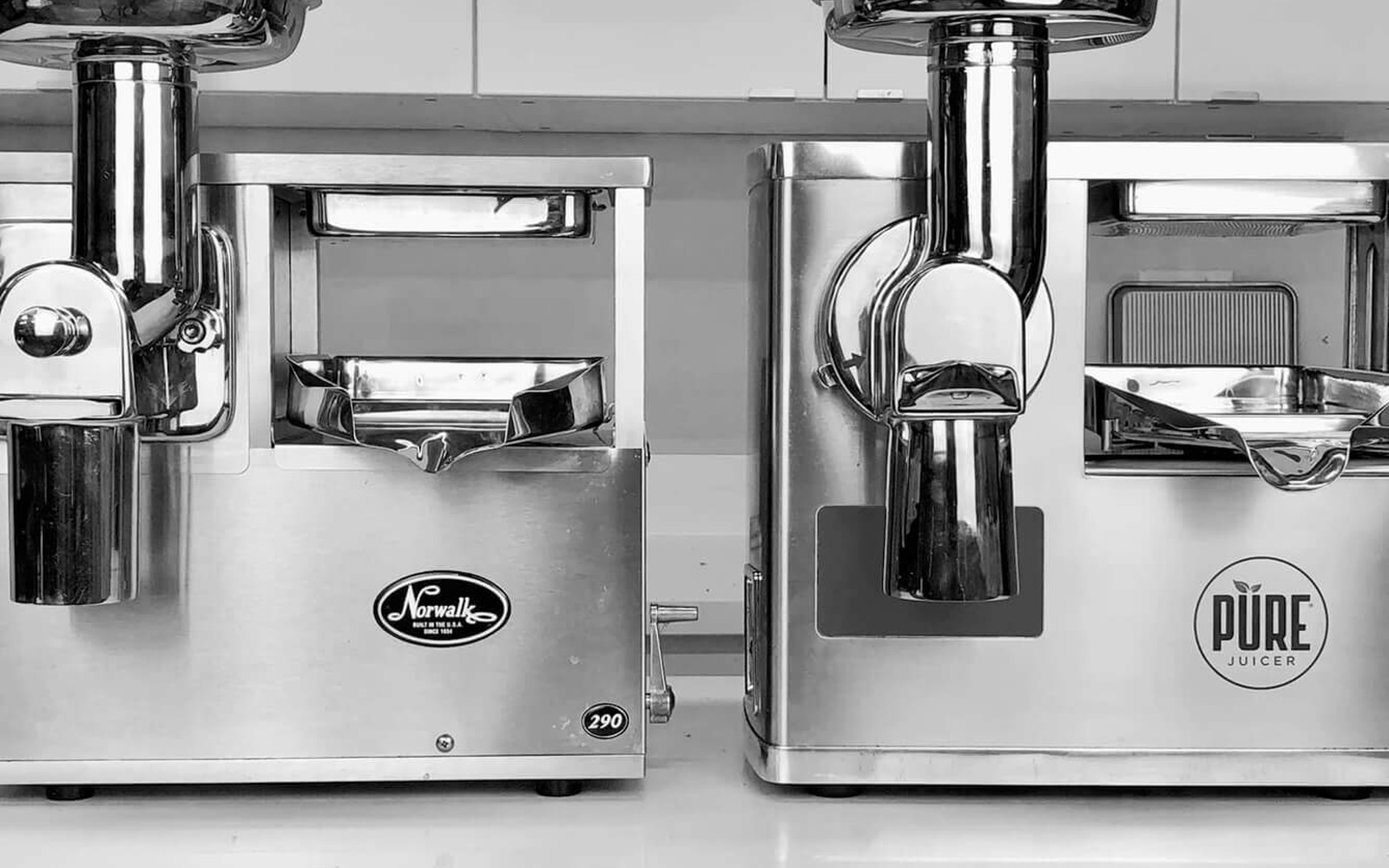
Batch yield is the number that drives every decision in a small-to-midsize juicery, and the Norwalk 280 is built precisely for operators who need reliable, repeatable yield without committing to the footprint and throughput of the flagship 290. The 280 uses the same triturating and hydraulic press method that defines the Norwalk brand: produce is ground to fine pulp in stage one, and that pulp is pressed under hydraulic pressure in stage two. What changes at the 280 level is form factor. The machine is more compact and positioned for operations where counter or prep-area space is limited but extraction quality is still the brand story.
For juice bars, wellness clinics, boutique cleanse brands, and cafes that make fresh juice a core offering, the 280 hits a productive sweet spot between manual extraction and full industrial throughput. Financing the Norwalk 280 through our program starts at $50,000, and most 280 deals land landing between $60k and $90k depending on whether you are buying new, refurbished, or used. We work with the Norwalk brand across both current models and are familiar with how these machines are priced and valued in the secondary market.
What the 280 Does and Where It Fits
The Norwalk 280 is a two-stage triturating and hydraulic press juicer. The triturating step is what separates Norwalk machines from single-stage cold press units: produce is first reduced to a fine wet pulp, which ruptures more cell walls and releases more juice per pound of input than a masticating auger alone. That pulp is then pressed under a hydraulic platen at significant pressure. The result is a juice that Norwalk advocates describe as denser, with higher micronutrient content and longer freshness at refrigerated temperatures.
The 280 handles the full range of produce that cold-press buyers typically run: leafy greens including kale, spinach, and wheatgrass; hard roots like ginger, beet, and carrot; soft fruit; citrus (peeled); cucumbers; and sprouts. The machine is not optimized for high-speed throughput the way a centrifugal or inline extractor is, but for brands where the method is part of the marketing, that slower extraction rate is the point, not a limitation.
From an equipment financing standpoint, the 280 is a strong collateral asset. The Norwalk name carries real secondary market value, and machines in good condition trade at prices that give lenders meaningful collateral comfort. That helps buyers who are working with moderate credit profiles, because the machine itself speaks to the underwriter in a way that generic or off-brand equipment does not.
Operators running the 280 alongside a commercial cold-press juicer on a separate line often use the Norwalk specifically for premium SKUs, running green blends and wheatgrass through the 280 while handling higher-volume citrus or tropical blends on a faster platform. That dual-platform model is common among brands that segment their product line by price and positioning.
New or Used: What the 280 Market Looks Like
The Norwalk 280 has a real and reasonably active secondary market. Machines come up from juice bars that have closed, from operators who are upgrading to the 290 or to a higher-throughput press, and from wellness practices that are scaling back or changing their program. Used 280s in good condition generally trade at a meaningful discount to new, and we finance used and refurbished units the same way we finance new machines.
For a new operation that wants the Norwalk extraction quality but is keeping capital tight in year one, a refurbished 280 is a legitimate path. The machines are mechanically straightforward and a well-maintained unit has a long service life. The risk on used is condition and the remaining hydraulic system life, which is why we sometimes ask for an inspection report or photos on private-party purchases.
If you are buying a used 280 from another operator directly, our used equipment financing program handles that transaction. We can also finance used units purchased through dealers or brokers. New units bought through a Norwalk dealer or distributor follow our standard new equipment path.
For buyers who want to preserve cash and keep the down payment low on a new 280, our no-money-down equipment financing options are worth reviewing. Not every credit profile qualifies, but it is the first question many buyers ask, and we can usually give you a clear answer after a short application.
Terms and Structure for a 280 Deal
Norwalk 280 financing terms depend on the invoice amount, your business operating history, and the credit profile we are working with. For deals that come in under our application-only threshold (generally around $400,000 for well-qualified buyers, though the 280 typically falls comfortably below that), we can often turn a credit decision on a simple one-page business application plus personal credit authorization.
Most 280 deals we see are structured as equipment loans or capital leases with terms between 36 and 72 months. Monthly payment ranges on a $70,000 to $85,000 transaction at typical rates run in the range that most juice bar and cleanse brand operations can absorb against their production revenue, but we encourage buyers to run those numbers against their actual batch output and per-bottle margins before committing to a term.
If you are a business with more than two years of operating history and decent bank statements, you are in the best position for competitive rates. If your profile is newer or has some credit history issues, we still have options, and the Norwalk brand's collateral strength helps. See our bad-credit equipment financing page for how we handle non-prime profiles.
Also consider whether the 280 qualifies as a Section 179 expensable asset in the year of purchase. Commercial food production equipment typically does, and expensing the full cost in year one can materially reduce the net cost of the acquisition. Confirm the details with your accountant, but this is a question worth raising before you close.
Related Equipment and Financing Paths
Buyers looking at the Norwalk 280 often compare it against the larger Norwalk 290 hydraulic press, which offers higher throughput and a larger pressing area but at a higher price and footprint. If your production volume is growing and the 280 is becoming a bottleneck, the 290 is the natural next step within the Norwalk line.
Some operators who started with a Norwalk and are now scaling into broader production also look at adding a hydraulic press juicer from a different manufacturer for higher-throughput volume, keeping the Norwalk for premium or specialty batches. That multi-platform approach is something we can finance across both machines, often on separate notes or as a combined package depending on the lender.
If your operation is also adding cold storage, packaging, or a bottle filling machine alongside the 280, bundling those assets into a single financing package is usually more efficient than financing each piece separately. We can structure those combined deals and often get better overall terms on a grouped transaction than on multiple small individual deals.
Start Your Norwalk 280 Application
A short form is all it takes to get started. We come back with rate options in one to two business days, and the 280 is sized for our program to handle efficiently. Let us put together terms so you can focus on getting the machine into production.
Related Financing Paths
Common Questions on Norwalk 280 Cold-Press Juicer Financing
Straight answers before you send the equipment file.
How does the Norwalk 280 differ from the 290, and does that difference affect financing terms?
The 280 is more compact, with a smaller pressing area and lower throughput compared to the 290. Both use the same two-stage triturating and hydraulic press method. From a financing perspective, the 280 typically comes in at a lower invoice price, which affects monthly payments but not the overall structure of the deal. Both machines carry strong secondary market value, which supports similar underwriting comfort from lenders.
Can I use financing to buy a 280 from a juice bar that is closing?
Yes. Private-party purchases are part of our program. You will need the seller's invoice or bill of sale, and we may request photos or a brief condition report before finalizing terms. The transaction works similarly to a dealer purchase, just with a private seller on the other side. Turnaround on private-party deals is typically still within our one-to-two-week funding window.
I already own a Norwalk 280 free and clear. Can I pull cash out of it?
Yes, a sale-leaseback converts the equity in a machine you own outright into working capital. You sell the 280 to a financing company and immediately lease it back, continuing to use it in your operation. The cash proceeds can go toward produce costs, staffing, a new SKU launch, or any other business use. We structure these regularly for juice and beverage operations. See our Sale-Leaseback page for the mechanics.
My business is under two years old. Is the 280 a deal I can still get approved on?
Newer businesses can still get approved, though personal credit becomes a larger part of the underwriting when operating history is short. The Norwalk brand's recognized secondary market value gives lenders collateral comfort that helps offset a thin business profile. A modest down payment also improves the picture. We route newer-business files to lenders who are experienced with food production startups.
Does financing cover accessories and pressing bags in addition to the machine?
Accessories that are invoiced with the machine and are considered durable equipment can typically be included in the financed amount. Consumables like pressing bags are generally not financeable as standalone items, but if they are bundled on the machine invoice at a dealer, some lenders will include them. We advise buyers to put consumables on a separate line item when possible to keep the collateral picture clean for the lender.
Ready to Finance Norwalk 280 Cold-Press Juicer Financing?
Send the equipment quote, seller, transaction size, and target timing. The financing desk will review the package and return a clear next step.