

Hiperbaric 420 HPP Machine Financing
Finance a Hiperbaric 420 HPP machine for your beverage or juice brand. challenged credit reviewed, with juice-line files kept short near $400k, funding in about two weeks.
The Hiperbaric 420 sits between Hiperbaric's larger 525 vessel and the more compact 300, giving growing beverage brands a mid-tier HPP option that still runs at commercial scale without requiring the full capital commitment of the flagship unit. At 420 liters of processing volume, the 420 handles serious production throughput while fitting into facility footprints and capital budgets that the 525 outpaces. For brands that have outgrown toll processing but are not yet at the volume level that justifies a 525, the 420 is the logical step.
Pricing on a new Hiperbaric 420 generally falls below the 525 but still in the several-hundred-thousand-dollar range when installation, pressure-system validation, and commissioning are included. Used units are available through the secondary market. We finance both, and we work specifically with Hiperbaric buyers who understand the equipment's operating economics well enough to build a credible repayment case.
The way we look at it, your batch yield and SKU shelf life are what justify the capital. An HPP unit that takes your product from a four-day refrigerated window to a 60-plus-day shelf life changes what retailers you can pitch and what distribution models make sense. That growth story is exactly what we present to lenders when we structure an HPP deal at this ticket.
Where the Hiperbaric 420 Fits in the HPP Market
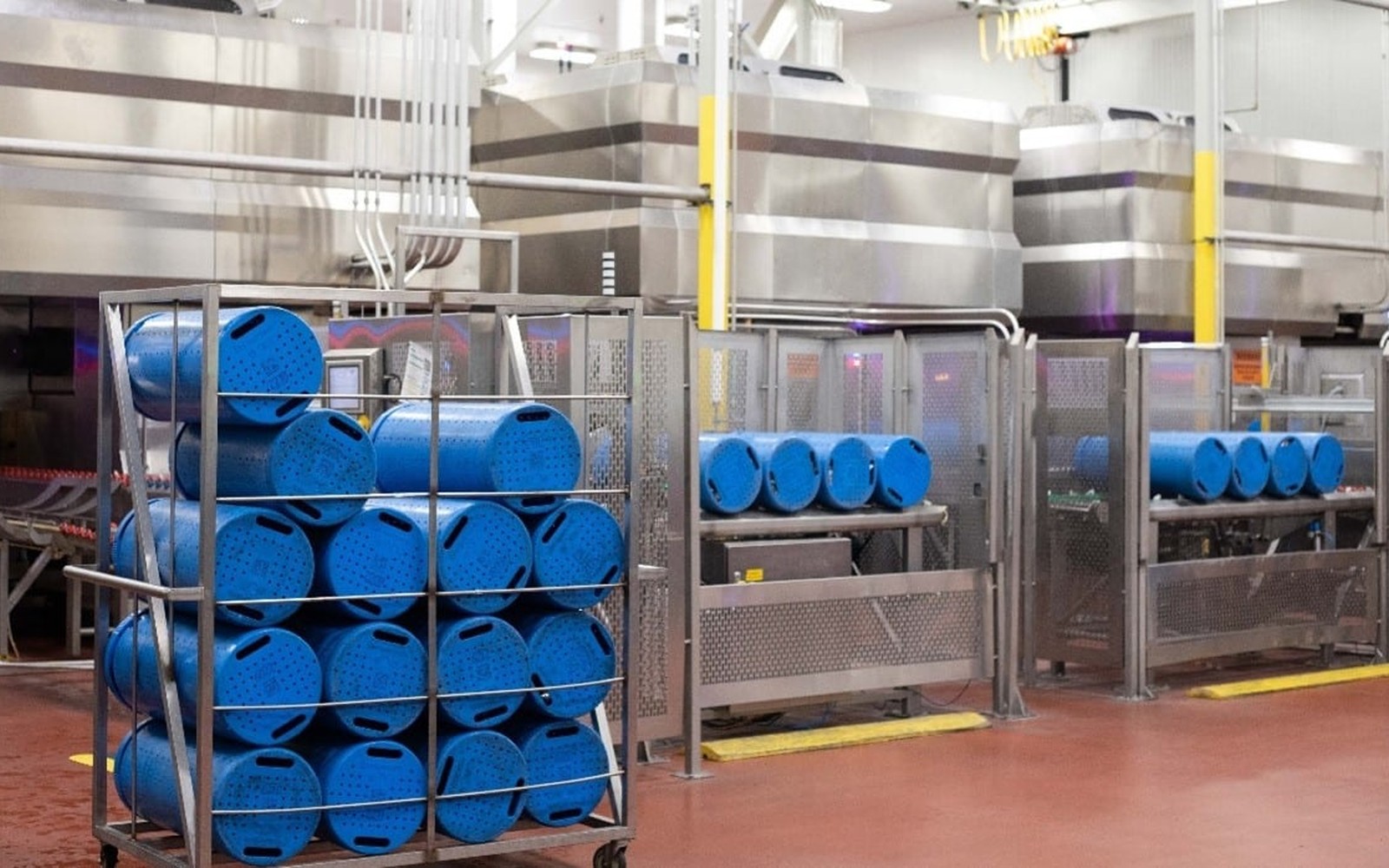
Hiperbaric is the market leader in industrial horizontal HPP equipment, having pioneered the horizontal-vessel design that allows for continuous loading and unloading with carrier baskets. The 420 model serves brands and co-packers that need true production scale but want a manageable footprint and a lower initial outlay than the 525 commands.
The HPP equipment category as a whole has expanded significantly as consumer demand for minimally processed, preservative-free beverages has grown. Cold-pressed juices, HPP smoothies, raw nut milks, and fresh guacamole all benefit from the technology, and brands have discovered that the shelf-life extension is what makes retail distribution economics work. A product that lasts four days cannot survive a distribution network; a product that lasts 60 days can sit in a regional DC and still reach the consumer at peak quality.
The 420 is particularly popular with regional co-packers who want to offer HPP as a service without locking into the capital intensity of the 525. Those co-packers serve beverage co-packing clients who want HPP without owning the asset, and the 420's throughput is sufficient to keep two or three moderate-volume client brands on a consistent schedule.
Buyers considering whether to start with a 300 or step to the 420 right away should think about the growth trajectory over the financing term. The monthly payment difference is meaningful, but so is the throughput gap. Running out of HPP capacity two years into a five-year financing agreement is an expensive problem to solve.
New vs. Used Hiperbaric 420
New Hiperbaric 420 machines come with full factory warranty, current software and control architecture, and the confidence that the pressure vessel has zero cycles on it. For a co-packer building a service-line business around HPP, the reliability argument for new is strong. Client commitments depend on uptime, and a machine under warranty is a managed risk.
Used 420 units can represent compelling value, particularly certified units that have been rebuilt with new seals, replaced pressure intensifiers, and calibrated controls. The HPP process is mechanically intense on seals and intensifiers, so the quality of the refurbishment matters more than the age of the vessel itself. We recommend confirming cycle counts and maintenance history before committing to a used unit.
From a financing standpoint, used HPP equipment qualifies for the same used-equipment financing structures as new, including multi-year loans and leases. Lenders will apply a haircut to the advance rate on older or unverified units, so the down payment or equity requirement can be higher for a used machine without certification. We will tell you upfront what a lender is likely to advance on the specific unit you are looking at.
A refinancing option also exists for brands that bought a used 420 with cash and now want to unlock that capital for other growth spending. We see this regularly with brands that bootstrapped their HPP investment and later want to redeploy the capital into marketing or additional SKU development.
Credit and Documentation
The Hiperbaric 420 falls into a financing range where the deal is large enough to require some documentation but not so large that it demands full audit-level financials. For deals at or below $400,000, a one-page application is often sufficient on its own. Above that, we typically need three months of business bank statements and basic financial summaries.
B and C credit histories are something we actively work with, not exceptions we reluctantly consider. Beverage manufacturing is a capital-intensive business with predictable revenue patterns once a brand has distribution, and available equipment finance programs understand that the business cash flow picture often matters more than a personal FICO score in isolation.
If your business is younger than two years, or if your credit profile has some blemishes, come prepared with your purchase orders, distribution agreements, or letters of intent from retailers. Those documents give lenders the forward-looking revenue picture that makes underwriting easier. Our bad-credit equipment financing resources lay out what helps a deal move forward in that scenario.
Related Equipment and Financing Paths
The Hiperbaric 420 rarely sits alone in a production facility. Brands that invest in in-house HPP typically also need upstream filling capability to produce the sealed, packaged product that goes into the HPP vessel. A bottle filler or a rotary filling system upstream of the HPP unit is a common pairing, and we can structure that combination into a single financing package so you are not managing two separate loan relationships for equipment that runs as a line.
On the sister-model side, if your throughput projections point toward a smaller vessel, the Hiperbaric 300 financing page covers that unit in detail. If you are looking at a larger production commitment, the Hiperbaric 525 is the step up and has its own structured financing approach.
For brands that want HPP throughput without ownership, our HPP tolling system financing page explains how brands can build their own tolling capacity by financing a dedicated HPP line to serve client brands alongside their own production. This is a specific business model that some regional manufacturers use to spread the asset cost across multiple revenue streams.
Get Your Hiperbaric 420 Financed
Tell us the deal, the unit details, and your timeline and we will structure options quickly. New or used, first-time HPP buyer or adding a second vessel, we have lenders who know this equipment and can move at the pace your production schedule requires.
Related Financing Paths
Common Questions on Hiperbaric 420 HPP Machine Financing
Straight answers before you send the equipment file.
Can I finance a Hiperbaric 420 along with the filling equipment I need upstream of it?
Yes. A combination package covering both the HPP machine and upstream filling equipment is often the cleanest structure because it captures the full project cost in one facility with one lender, one payment, and one maturity date. Tell us what the full equipment list looks like and we will structure it as a single deal.
How does HPP equipment financing differ from a standard equipment loan?
The mechanics are the same: a lender advances funds against the equipment value, you repay with interest over a set term, and the machine secures the loan. The difference is lender knowledge. HPP equipment is specialized enough that general-purpose lenders sometimes struggle to value it accurately. Our financing team includes specialists who have financed multiple Hiperbaric units and can price the deal correctly.
I already own a Hiperbaric 420 outright. Can I refinance it to pull out operating capital?
Yes. If you own the unit with no lien, we can structure a refinancing that advances you a percentage of the equipment's appraised value as cash, with monthly payments over the new term. This is essentially a cash-out refinance using the HPP machine as collateral and is a common way beverage brands unlock growth capital without taking on unsecured debt.
Does Hiperbaric offer financing directly through the manufacturer?
Hiperbaric sometimes offers financing programs in coordination with lenders, typically for new equipment purchased through their sales channel. Independent financing through a broker like us can complement or compete with manufacturer programs depending on your credit profile and the terms available at the time. We always encourage you to compare both before committing.
What is the typical repayment term on a Hiperbaric 420 loan?
Terms of 48 to 84 months are typical for equipment in this value range. Longer terms lower the monthly payment but increase total interest cost. Most beverage brands choose 60 to 72 months to keep the monthly manageable while not stretching too far past the equipment's expected productive life cycle.
Ready to Finance Hiperbaric 420 HPP Machine Financing?
Send the equipment quote, seller, transaction size, and target timing. The financing desk will review the package and return a clear next step.