Juicing Equipment Financing in Seattle, WA
Equipment financing for Seattle juice bars, cold-press brands, and beverage manufacturers. $50k minimum, B/C credit considered, closing timed to the beverage-equipment package. Apply today.
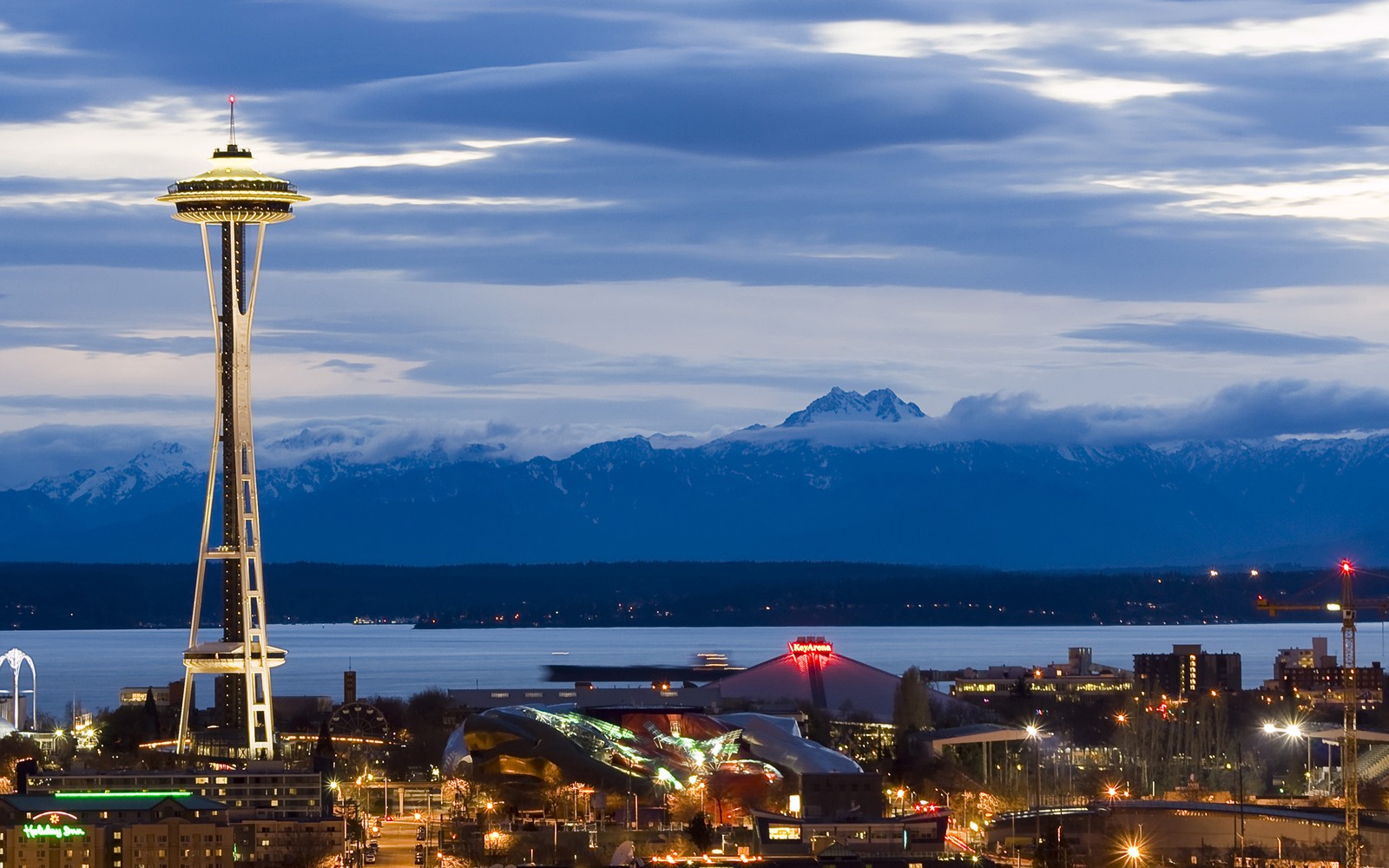
Seattle's beverage culture is older and denser than most U.S. cities realize. The city that commercialized espresso culture for North America has also produced a thoughtful cold-press and functional-beverage community that takes ingredient sourcing, processing methods, and shelf-life science seriously. The Pike Place Market connection to fresh local produce, the Pacific Northwest's organic farming base in the Skagit and Willamette valleys, and a consumer population with consistently high health-orientation scores all support a juice and functional-beverage market that moves real volume.
The commercial equipment that makes that production possible is a capital investment. A commercial cold-press juicer at the production grade runs $15,000 to $80,000. A high-pressure processing machine capable of extending refrigerated shelf life from three to five days to 30 to 60 days costs $500,000 to over $1 million. A complete production line including extraction, filling, capping, labeling, and cold storage can easily reach $300,000 to $500,000. Financing that equipment over the productive life of the asset is the rational capital approach. We finance juicing and beverage equipment for Seattle businesses starting at $50,000. Our core market is $100,000 to $150,000 and above. B and C credit are considered. Application-only financing is available up to roughly $400,000. Funding closes in one to two weeks.
Why Seattle Is a Strong Market for Juice and Beverage Brands
The Pacific Northwest's agricultural ecosystem gives Seattle-based juice brands supply chain advantages that inland and southern markets lack. Washington State produces apples, pears, cherries, and berries at commercial scale, and Eastern Washington in particular is one of the country's most productive agricultural regions. A Seattle juice brand pressing Washington apples, Yakima pears, or Whatcom County blueberries is working with ingredients that arrive fresher and often cheaper than imported or southern-grown equivalents.
The city's tech sector has shaped the consumer profile in ways that matter for premium beverage brands. A workforce concentrated in Amazon, Microsoft, Boeing, and the surrounding technology ecosystem earns well and spends on health, wellness, and premium food. That consumer segment is not price-sensitive in the way mass-market juice buyers are, which supports the margins a premium cold-press brand needs to survive and grow.
Coffee and cold-brew roasters in Seattle have also created distribution infrastructure that juice brands can leverage. Cold-pressed juice distributed alongside cold brew through the same retail and food-service channels is a natural pairing, and the courier and distribution networks that serve Seattle's dense cafe culture can often serve juice brands at attractive economics. Juice bars and cold-press concepts in Capitol Hill, Fremont, Ballard, and West Seattle have built real followings that represent proof-of-market for brands looking to scale into wholesale.
Equipment Categories for Seattle Juice Producers
Cold-press extraction at the production level is the starting point for most Seattle juice financing deals. Goodnature presses, particularly the X-1 and M-1, are common in this market. Industrial extractors from JBT and Bucher serve the co-packing and higher-volume manufacturing segment. A industrial juice extractor at the co-packing level costs $100,000 to $400,000 depending on throughput and configuration.
HPP is a particularly important capability in the Seattle market because of the Pacific Northwest's retail distribution ambitions. Brands in this market frequently want to serve Whole Foods 365, Metropolitan Market, PCC Community Markets, and regional natural grocery accounts, all of which require documented shelf life that cold-press without HPP cannot reliably deliver across the supply chain. We finance HPP machines as standalone capital projects and as part of line buildouts.
The produce prep side of the operation also warrants attention. A fruit and vegetable washing line at commercial scale costs $15,000 to $80,000. A peeling and cutting machine for produce prep runs $10,000 to $50,000. These upstream assets are often the last things founders think about and the first things that create production bottlenecks. Including them in the same financing transaction as the press and filling equipment makes the buildout more complete and avoids a return trip to the financing process six months later.
Terms, Structures, and What to Expect
Equipment financing terms for Seattle juice businesses typically run 36 to 72 months. Shorter terms reduce total interest paid; longer terms reduce the monthly payment and may match better with the business's cash flow profile. We present options and let you choose what fits.
Equipment loans are the most common structure for businesses that want to build ownership from day one. The asset is on your balance sheet, the interest portion of the payment may be deductible, and at the end of the term you own the equipment outright. Equipment leases are the alternative for businesses that prefer off-balance-sheet treatment, want lower monthly payments, or are uncertain about keeping the equipment for its full useful life. We present both and do not push one over the other.
Down payment requirements vary by credit profile. Strong credit and established business history often qualifies for no-money-down. B and C credit profiles sometimes require 10 to 20 percent down to satisfy lender requirements. We are transparent about this from the initial conversation so you know what to budget before investing time in an application.
Related Financing Paths
Common Questions on Juicing Equipment Financing in Seattle, WA
Straight answers before you send the equipment file.
I want to supply PCC Community Markets in Seattle. Do I need HPP to qualify as a supplier?
PCC and similar natural grocery co-ops typically have their own supplier qualification requirements that cover food safety, labeling, and insurance rather than a specific equipment mandate. However, the practical shelf-life requirement for a grocery supply chain, which may involve days between production and shelf placement plus shelf dwell time, effectively requires either HPP or pasteurization for most cold-press products. We recommend confirming the retailer's shelf-life expectations directly, then deciding on HPP accordingly.
Washington has a strong organic farming base. Does locally sourced organic produce affect the equipment I need?
Organic certification of raw materials affects your brand positioning and ingredient sourcing, not the equipment itself. The equipment required for organic cold-press production is the same as for conventional cold-press production. If your facility seeks organic handler certification, there are sanitation and documentation requirements to meet, but the machinery categories are unchanged.
My Seattle juice brand is using a co-packer right now. I want to buy my own equipment and move production in-house. How do I structure that?
This is one of the most common transitions we finance. You estimate the volume of production you currently co-pack, select equipment sized to meet that volume plus reasonable growth, get a quote, and we structure financing against that purchase. The cost savings from co-packing fees versus owned equipment production often pay a significant portion of the monthly financing cost, which makes the business case straightforward.
I run a Seattle juice bar and I want to add a small bottling setup to sell in the grab-and-go case. What is the minimum equipment investment?
A modest juice-bar-scale bottling setup, meaning a manual or semi-automatic filler, a hand capper, and a label applicator, can come in under $10,000 to $20,000. That is below our $50,000 minimum. If you want to expand to a real production setup that could supply multiple locations or wholesale accounts, a proper inline filler, capper, and labeler package starts around $50,000 to $80,000 combined, which does reach our minimum.
Ready to Finance Juicing Equipment Financing in Seattle, WA?
Send the equipment quote, seller, transaction size, and target timing. The financing desk will review the package and return a clear next step.