Juicing Equipment Financing in Richmond, VA
Finance commercial cold-press juicers, HPP machines, and full bottling lines in Richmond, VA. $50k minimum. Application-only to ~$400k. Closing timed to the beverage-equipment package.
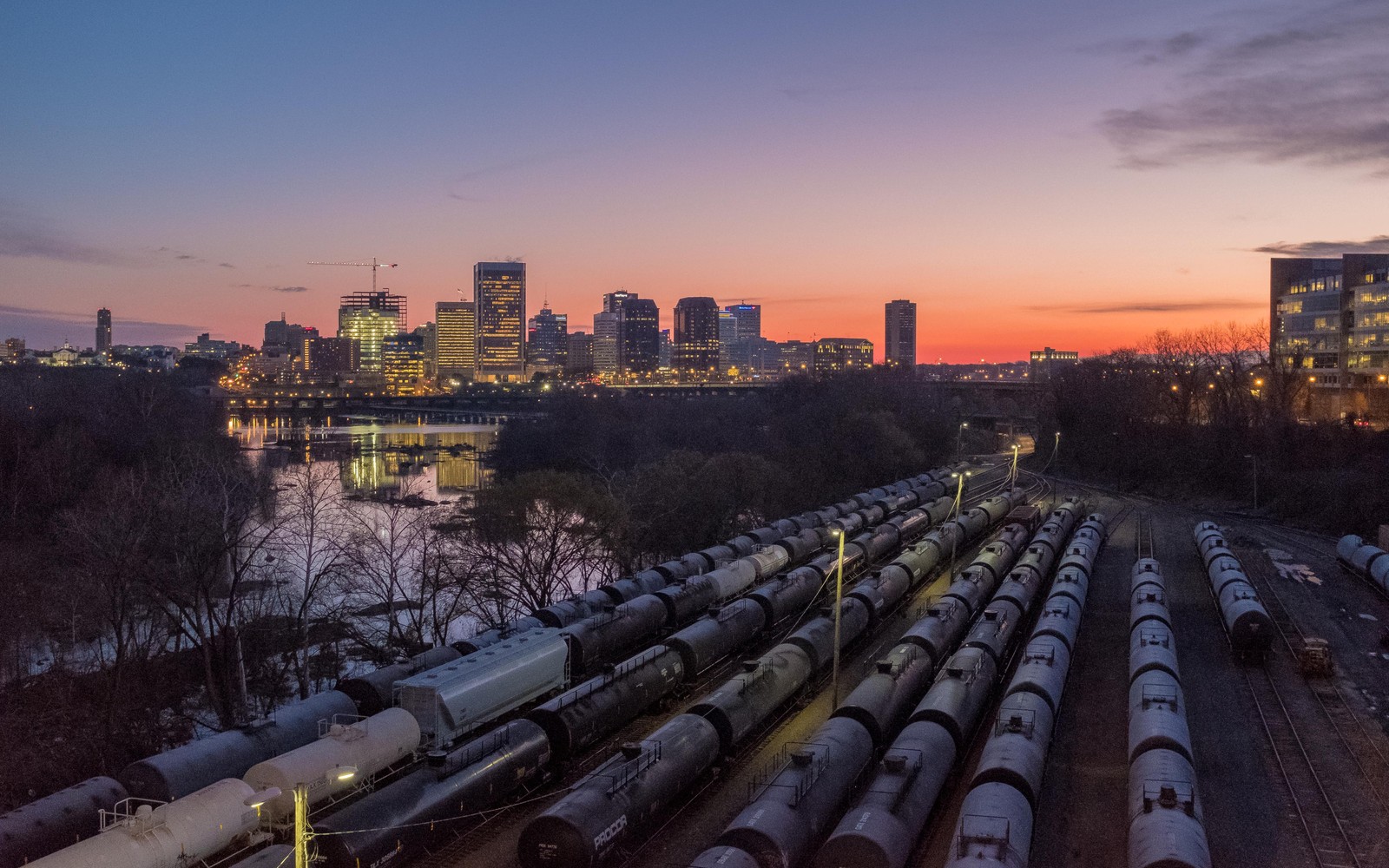
Richmond's craft food and beverage scene punches well above what a mid-sized city normally produces. The Scott's Addition corridor has become one of the denser concentrations of independent beverage production on the East Coast, hosting breweries, cideries, and a growing number of cold-press and functional beverage brands sharing industrial loft space. The Shenandoah Valley and central Virginia agricultural belt sits close enough that raw-material sourcing is a genuine advantage rather than a supply chain headache. If you are building a juice brand or scaling an existing cold-press operation here, the market conditions are favorable, but the equipment costs are just as real as anywhere else.
We finance cold-press juicers, HPP machines, inline and rotary fillers, pasteurizers, refrigeration systems, and complete production buildouts for Richmond-area operators. Deal minimums start at $50,000, and the bulk of our production-scale transactions run from $100,000 up into the mid-six figures. New equipment, quality used machines, and full facility packages all qualify. Application-only processing handles most deals under roughly $400,000, and funding typically closes in one to two weeks. B and C credit profiles are considered alongside strong credit, because the business story and the equipment itself carry real weight in how we evaluate a deal.
Richmond's Beverage Production Landscape
Scott's Addition zoning has made it possible for production businesses to operate in a walkable, retail-visible environment without the prohibitive rents of urban cores in Washington, DC or Northern Virginia. That has created a feedback loop: consumers discover brands at taprooms and storefronts, and those same brands build out the production capacity to serve regional retail. Several Virginia craft beverage brands have used Richmond as a launch pad for wholesale accounts in DC, Maryland, and the Carolinas, all reachable via I-95 and I-64 within a few hours.
The Richmond metro's health-conscious demographic is concentrated in neighborhoods like the Fan, Carytown, and Church Hill, and that consumer base provides a solid direct-to-consumer foundation while a brand builds out its wholesale network. Farmers markets, independent grocery like Ellwood Thompson's, and specialty retail throughout the metro give juice and functional beverage brands visible placement before they hit regional distribution. Cold-press juice brands operating in Richmond often start with farmers market presence and local delivery, then use the revenue to justify a production equipment investment that opens the wholesale channel.
Virginia's broader agricultural output, including apples from the Shenandoah Valley, berries from central Virginia, and greens from the Piedmont area, means that a Richmond-based juice operation has real seasonal sourcing options closer than almost any other East Coast market. That proximity to raw materials can lower input costs and support marketing claims around regional sourcing, both of which strengthen the brand economics that underpin an equipment financing decision.
Equipment We Finance for Richmond Operators
The equipment list for a serious juice or beverage production operation covers more than just the press. We finance the full production stack, and Richmond operators tend to present deals that combine multiple pieces into a single financed package. On the extraction side, that means commercial cold-press juicers, hydraulic press systems, and centrifugal extractors for high-volume throughput where oxidation management is less critical. Brands building for extended shelf life add high-pressure processing machines, which eliminate pathogens without heat and allow cold-press products to reach retail accounts with conventional refrigerated distribution.
Downstream from the press, we finance filling and capping lines, labeling equipment, pasteurizers for brands that take the thermal route, and supporting infrastructure including CIP sanitation systems, walk-in refrigeration, and blast chillers. The minimum per transaction is $50,000, and most production-scale buildouts for Richmond operations run considerably higher once you combine extraction, filling, and cold-chain gear. Used equipment qualifies fully, including private-party purchases from other beverage operators who are restructuring or upgrading their own lines.
Brands in earlier stages who want to finance a juice bar buildout rather than a full production facility are also a fit. A complete juice bar setup with commercial-grade pressing, refrigeration, and prep equipment can land above $50,000 and qualifies the same way a production facility does. Complete juice bar buildouts are treated as a single package rather than itemized to individual pieces, which simplifies the process considerably.
Timeline and What the Process Looks Like
The application itself is not a lengthy event. For deals under approximately $400,000, the standard package is an equipment loan or lease application plus three months of business bank statements. That is the whole front-end document requirement for most Richmond transactions. Above that threshold or with more credit complexity, we may request a financial statement, but the document list stays proportional to what the deal actually needs rather than defaulting to a full bank-style underwriting package.
You receive a term sheet showing the rate, payment structure, and end-of-term options before you commit to anything. An equipment loan builds ownership from the first payment and lets you take full depreciation under Section 179 or bonus depreciation if the timing works for your fiscal year. An equipment lease keeps the monthly outlay lower and can include end-of-term purchase options, upgrade provisions, or a return path if you expect the equipment category to evolve quickly. We lay both out clearly so the choice makes sense for your situation rather than ours.
Funding closes in about one to two weeks from a complete application. For operators chasing a production ramp before a seasonal demand peak or a retail buyer's stocking deadline, that timeline matters. A lender who takes six weeks to close a straightforward deal costs you production windows you cannot recover.
Refinancing and Sale-Leaseback Options
Operators who already own production equipment free and clear, or have significant equity in machines they are still paying on, have options beyond a straight purchase loan. A Sale-Leaseback converts owned equipment into working capital without disrupting production. You sell the equipment to a financing partner and lease it back on structured terms, freeing the equity for ingredients, packaging, label inventory, or a new SKU launch without touching your production capacity.
An equipment refinance works similarly for machines that still carry a balance, lowering the monthly payment or pulling out equity above the current payoff. Both structures are available for Richmond operators and both require the equipment to have appraised value above our $50,000 minimum. Beverage co-packers in particular tend to accumulate equipment value quickly and often benefit from a sale-leaseback to fund expansion into a new client's SKU requirements without waiting for a traditional capital raise.
Related Financing Paths
Common Questions on Juicing Equipment Financing in Richmond, VA
Straight answers before you send the equipment file.
Can I finance production equipment I am buying from another Richmond beverage company that is closing?
Private-party equipment purchases are eligible. A bill of sale or purchase agreement, basic equipment information, and a completed application are the typical requirements. We do not limit financing to dealer or manufacturer purchases, so a used line from a closing operation qualifies on the same terms as new equipment from a manufacturer.
My juice brand has only been operating for eighteen months. Is that long enough to qualify?
Eighteen months of operating history is a workable profile. We evaluate the application on revenue trend, bank statement strength, and the equipment's role in the business rather than requiring several years of operating history as a minimum bar. Startup financing structures exist for even earlier-stage operators.
How does a sale-leaseback work if I still have a balance on my press?
We finance the appraised value of the equipment, pay off the existing balance, and structure the remainder as working capital for you. The net payment may be higher or lower than your current note depending on the appraised value versus the payoff, but the goal is to convert equity into cash without losing production capacity.
Can I add a CIP system and refrigeration to the same deal as my cold-press juicer?
Yes. A package that combines multiple pieces of production equipment into a single transaction is common and often preferable. One payment, one approval, one closing timeline. The total needs to exceed $50,000, which a combination of press, CIP system, and refrigeration will almost certainly clear.
What happens if I want to upgrade the press after two years?
Lease structures can include end-of-term upgrade provisions that let you return the current machine and finance a newer model. If you own the equipment on a loan, you can trade it, sell it, or refinance it when the time comes. We discuss end-of-term scenarios before you sign so the structure fits your actual plan.
Does my Virginia business entity type affect the application?
LLCs, S-corps, C-corps, and sole proprietors operating beverage businesses all qualify. We finance operating businesses rather than requiring a specific legal structure, though the strength of the entity's financials and time in business factor into the evaluation the same way they would for any structure.
Ready to Finance Juicing Equipment Financing in Richmond, VA?
Send the equipment quote, seller, transaction size, and target timing. The financing desk will review the package and return a clear next step.