Juicing Equipment Financing in Pittsburgh, PA
Finance commercial juicers, HPP machines, and bottling lines in Pittsburgh, PA. Minimum $50k. B/C credit considered. Closing timed to the beverage-equipment package.
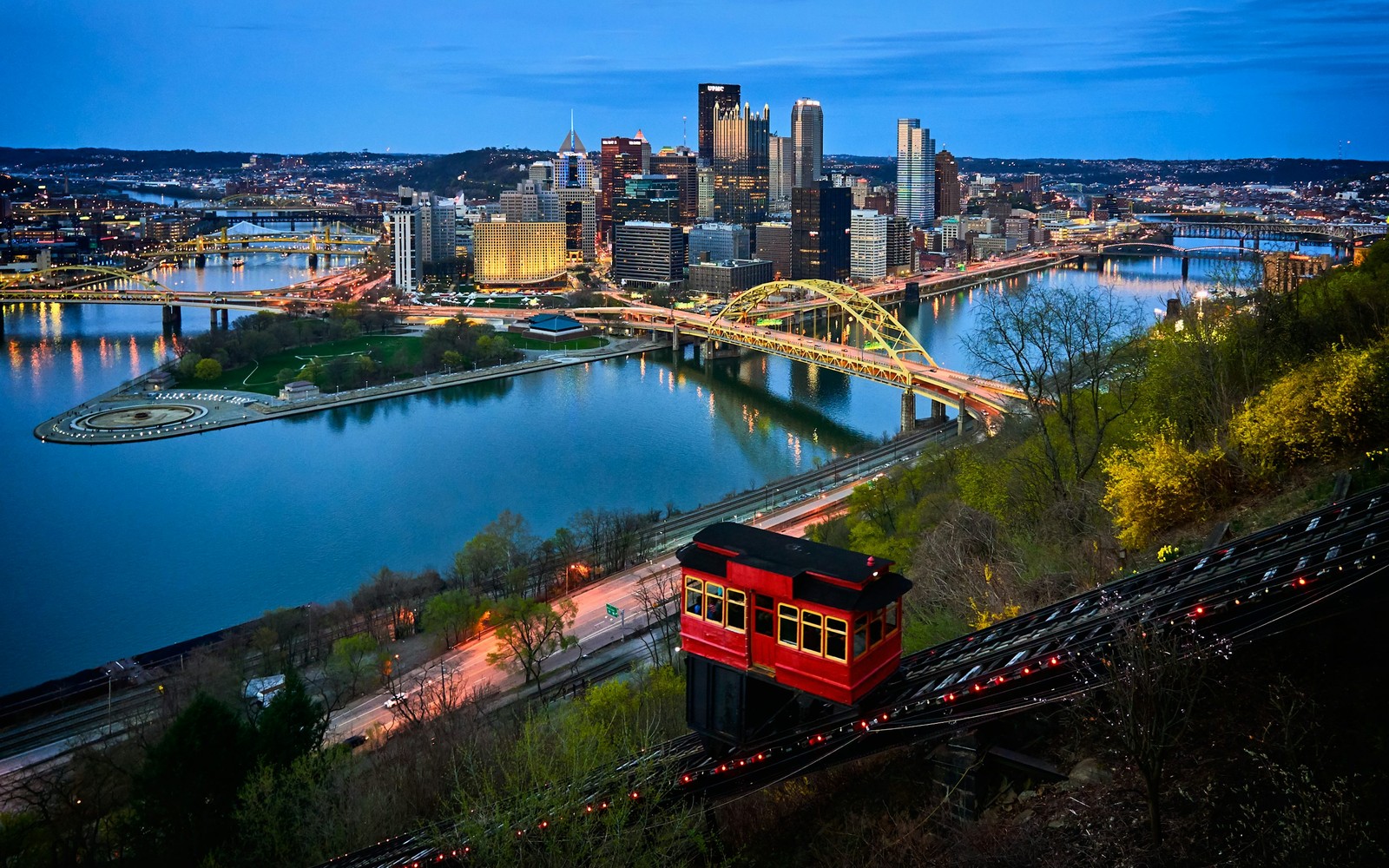
Pittsburgh has traded its steel-and-coke identity for something considerably more varied over the past two decades, and that shift shows up clearly in the food-and-beverage sector. The university and hospital employment base, the tech presence in the East End, and a genuine craft-food culture centered on neighborhoods like Lawrenceville and Bloomfield have created a consumer market that actively seeks local, functional, and premium beverage products. Juice brands and cold-press operations that set up production in the Pittsburgh metro now reach a city that was not a natural fit for this category even fifteen years ago.
We finance the production equipment that makes Pittsburgh juice brands competitive: commercial cold-press systems, HPP machines, bottling lines, refrigeration buildouts, and CIP sanitation systems. Minimum deal size is $50,000, with most production-scale transactions landing between $100,000 and $500,000. New equipment, quality used machines, and full buildout packages are all eligible. Application-only processing handles most deals under roughly $400,000, and funding typically closes in one to two weeks.
Pittsburgh's Food-and-Beverage Production Scene
The Strip District, Pittsburgh's traditional wholesale food market district, remains an active hub for food distribution, specialty grocery, and culinary supply. Several beverage producers have found the Strip District's commercial real estate and loading-dock infrastructure useful for small-batch production operations. Lawrenceville and Hazelwood have also absorbed food manufacturing tenants as neighborhood redevelopment has produced renovated industrial space at accessible rents.
The regional grocery landscape includes Giant Eagle as the dominant conventional chain alongside independent specialty retailers in the East End and South Side. Beyond local retail, Pittsburgh producers have realistic access to Cleveland, Columbus, and the western Pennsylvania rural market via the I-376, I-79, and Pennsylvania Turnpike corridors. That regional reach changes the math on production volume, because a brand that can supply multiple metro markets from a single Pittsburgh facility justifies equipment investment that a city-only distribution strategy would not.
Craft beverage manufacturing in Pittsburgh has grown to include kombucha, cold brew, and functional beverages alongside juice. Kombucha producers and cold-brew operations share much of the same equipment infrastructure as juice brands, which creates a co-packer opportunity for Pittsburgh producers who want to maximize line utilization across multiple SKU types.
Equipment That Powers Pittsburgh Juice Production
The extraction stage is where Pittsburgh cold-press brands typically make their first major capital commitment. A masticating or hydraulic press with genuine commercial throughput runs from $50,000 to well over $150,000 depending on capacity. Masticating juicers at commercial scale run quieter and produce a juice with very low oxidation, which matters for shelf-life even before HPP is added. Hydraulic press systems push yield higher on firm produce like apples and beets.
The cold chain is Pittsburgh's persistent equipment challenge because the region's variable seasonal temperatures mean that refrigerated holding from extraction through shipping is non-negotiable. A walk-in refrigeration system sized to the production volume is a core capital item, not an optional add-on. We finance refrigeration as part of the production package rather than treating it as a separate transaction.
Brands targeting regional retail accounts increasingly need HPP capability to hit the 30-plus-day shelf life that buyers at large grocery chains require. An HPP machine at commercial scale, such as a Hiperbaric 300 or comparable vessel, represents a significant investment that dramatically changes which retail channels are accessible. For Pittsburgh brands not ready to own HPP capacity outright, the alternative is tolling through a third-party HPP facility, but owning the machine is the better unit-economics story once volume justifies it.
- Masticating and hydraulic cold-press extraction systems
- Walk-in refrigeration and blast-chill capacity
- HPP machines for extended shelf-life retail channels
- Inline bottle fillers and capping equipment
- Labeling and shrink-wrap packaging lines
From Application to Funded in Pittsburgh
The application starts with basic business information, the equipment you need (a quote from a dealer or an auction listing works), and three months of business bank statements. For deals under approximately $400,000, that package is usually sufficient. We do not require tax returns, audited financials, or a detailed business plan for a standard production-equipment transaction.
Most applications receive a decision within 48 to 72 hours of a complete file. Once approved, the term sheet lays out payment, rate, term length, and end-of-term options. After signing, the lender pays the vendor directly and your equipment is ordered or released. Funding from application to vendor payment typically runs one to two weeks, though clean files with well-documented equipment values sometimes move faster.
Operators who need a quick answer before committing to a vendor or a used-equipment auction can get a soft indication from us without a full application. That working budget number is useful when you are negotiating with a dealer or evaluating whether a used machine at auction fits the financial plan.
What Qualifies for Financing in Pittsburgh
Production equipment with identifiable resale value is the core qualifying category. Commercial cold-press systems, HPP machines, pasteurizers, bottling lines, refrigeration, and CIP systems all qualify. Soft costs like installation labor and facility modifications may be included up to a reasonable percentage of the hard equipment cost depending on deal structure.
B and C credit profiles are considered alongside A-credit applicants. We look at the business's cash flow relative to the proposed payment, the equipment's liquidation value, and the operator's overall profile rather than making a credit-score-only decision. Bad-credit equipment financing programs exist specifically for operators with challenged credit histories, and we will tell you honestly where you qualify before you commit to an application.
Both new and used equipment qualify. Used juicing equipment from reputable dealers or documented private-party transactions is evaluated on its appraised or market value rather than its original purchase price.
Depending on the situation, consider Canning Line, and Labeling Machine.
Related Financing Paths
Common Questions on Juicing Equipment Financing in Pittsburgh, PA
Straight answers before you send the equipment file.
Can I finance a used HPP machine purchased from another producer going out of business?
Private-party used equipment transactions are financeable when the machine has documented value and a clean title. We will request an inspection or appraisal to confirm current market value before closing. A machine purchased from a producer in bankruptcy may require additional title verification but is not automatically excluded.
My Pittsburgh juice business has been operating for 18 months. Do I qualify?
Eighteen months of operation with bank statements showing consistent revenue is a workable profile. Time in business is one factor we weigh, but it is not a hard cutoff at a specific month threshold. The full picture matters.
Can I roll installation costs into the equipment financing?
Soft costs including installation labor, utility hookups, and initial equipment setup can often be included in the deal up to a reasonable percentage of the hard equipment value. The specific percentage depends on deal size and structure. Ask when you apply and we will tell you what is possible for your transaction.
How does a Section 179 deduction interact with an equipment lease?
Section 179 eligibility depends on whether the lease is structured as a conditional sale (dollar-buyout lease) rather than a true operating lease. A dollar-buyout lease generally allows the lessee to claim Section 179 in the year of purchase. We recommend confirming with your CPA, but we can structure the deal to be 179-eligible if that is a priority.
Ready to Finance Juicing Equipment Financing in Pittsburgh, PA?
Send the equipment quote, seller, transaction size, and target timing. The financing desk will review the package and return a clear next step.