Masticating Juicer
Finance a commercial masticating juicer with flexible terms and fast approvals. New and used, B/C credit considered. Minimum deal size $50k.
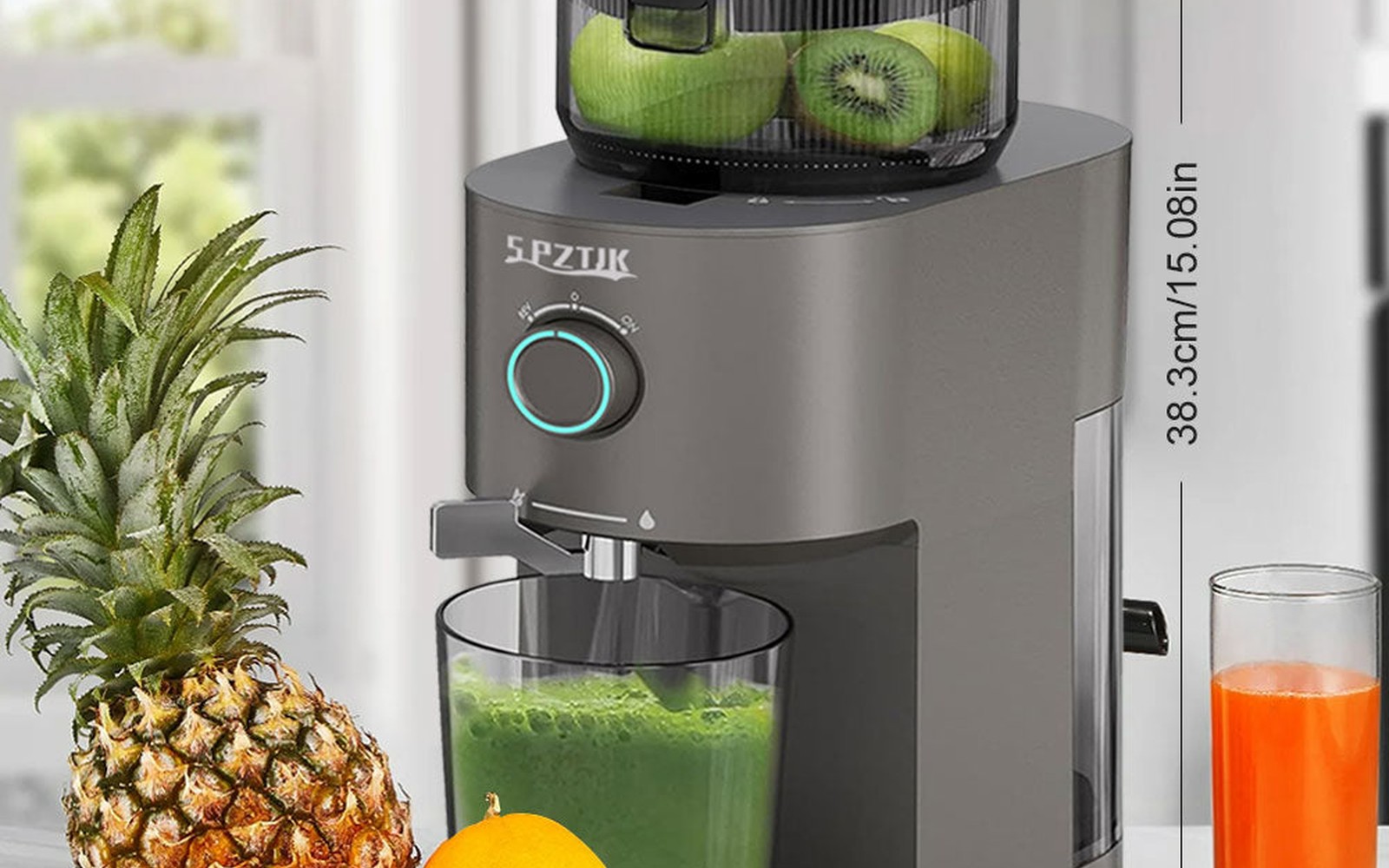
Masticating juicers occupy the middle ground between a centrifugal machine's speed and a hydraulic press's extraction depth. Single- and twin-auger masticating systems grind produce slowly, typically at 80 to 120 RPM, using a spiral auger that crushes and squeezes the material against a stainless strainer screen. The slow rotation keeps oxidation low and heat minimal, producing a juice with better nutritional integrity than centrifugal extraction and better throughput continuity than a batch hydraulic press. For brands that need to run continuously without stopping to load and unload press racks, a commercial masticating system is often the right answer.
Twin-gear masticating juicers, sometimes called triturating juicers in commercial literature, use two interlocking gears instead of a single auger and extract with even greater efficiency on fibrous and leafy produce like wheatgrass, kale, and beet greens. Commercial-grade single-auger systems from brands like Omega, Sammic, and Santos start around $2,000 for countertop units, while high-throughput industrial masticating systems designed for beverage manufacturers reach $30,000 to $80,000 and above. At those figures, equipment financing structures the acquisition on a timeline that matches revenue, not savings.
Commercial Masticating Juicer Specs and Selection
For buyers evaluating masticating juicers in a commercial context, the key specs are motor wattage, auger material, feed chute diameter, juice yield per pound, and continuous-run rating. A unit designed for commercial use should carry a motor rated for continuous duty, not a residential-style motor that requires rest periods. Stainless steel augers outlast plastic alternatives substantially in a production environment where machines run six to ten hours per day.
Throughput varies widely. A countertop commercial masticating unit might produce four to eight gallons of juice per hour. Industrial continuous-feed masticating systems running in a dedicated extraction room at a juice manufacturing facility can produce far more, with some systems processing hundreds of pounds of produce per hour. The jump from countertop to industrial is also a jump from a cash purchase to a financed acquisition, and that is where our program fits naturally.
One practical comparison worth making: a masticating system running continuously produces juice without the cycle interruptions of a hydraulic press, but the press typically extracts more juice per pound of produce. For brands sourcing expensive or difficult-to-obtain ingredients like cold-press wheatgrass or organic turmeric, maximizing yield on every pound is the priority, and the hydraulic route may win. For brands processing high volumes of softer produce on a continuous schedule, the masticating system's operational simplicity is the advantage. Both equipment types can be financed through us; the choice is about production design, not financing availability.
New and Used Masticating Equipment
Used commercial masticating juicers move frequently in the secondary market because many juice bars start with one unit, outgrow it, and sell it when upgrading. A well-maintained commercial masticating juicer with documentation of service history and a verified auger and screen condition is a sound used-equipment purchase. Our used equipment financing program covers these transactions with the same speed and process as new equipment deals.
For buyers upgrading from a masticating system to a larger hydraulic press juicer, the existing masticating unit can often be sold and the proceeds applied to the down payment on the new machine, or the existing unit can be refinanced through a cash-out structure to generate capital for the upgrade.
Beverage co-packers adding masticating capacity to serve new brand clients often find that used equipment in certified condition is a practical first step, letting them take on production contracts before committing to full new-equipment capital expenditure. We have structured several deals for co-packers in exactly this configuration.
Financing Terms for Commercial Masticating Juicers
Commercial masticating juicers in the range that qualifies for our program typically run $50,000 to $150,000 for industrial-scale systems, though some deals involve bundling multiple masticating units with related equipment like washing and prep lines to reach the transaction threshold. Terms on equipment loans for masticating systems run 36 to 60 months, with 48 months being a common choice for mid-size deals where the buyer wants predictable monthly costs without extending the payoff timeline too far.
An equipment loan structure is common for masticating juicers because operators who invest in industrial-grade continuous auger systems tend to plan on running them for five to eight years. Owning the asset outright fits that horizon. Leasing makes more sense when the buyer expects to upgrade to a different extraction technology within three to four years, which is a realistic scenario for growing brands that start with masticating and eventually need the throughput of a full juice production line.
Related Financing Paths
Common Questions on Masticating Juicer
Straight answers before you send the equipment file.
Does it matter to the lender whether I buy a single-auger or twin-gear masticating system?
Not for the core approval process. Both types are treated as commercial juicing equipment for underwriting purposes. What matters most is the make, model, purchase price, your business financials, and credit profile. Twin-gear systems often cost more, which can affect deal size, but the equipment type itself does not change the approval framework.
I want to finance four masticating units for a large juice bar. Can all four be on one loan?
Yes. Multiple units of the same equipment can typically be financed under a single agreement, simplifying payment administration. The total deal size will determine the documentation requirements. At higher totals, three months of bank statements may be requested in addition to the application.
Can I refinance my current masticating juicer to pull cash out for produce inventory?
If the machine has meaningful equity, meaning you owe less than its current market value, a cash-out refinance or sale-leaseback is worth exploring. The juicer stays in production, and the cash reaches your account within one to two weeks of funding. This is a workable structure for seasonal produce purchasing or a large inventory buy.
My masticating juicer purchase is being bundled with a washing line and prep tables. Can it all be one loan?
Bundling is common and generally beneficial. Lenders prefer a single clean transaction to multiple small ones. As long as all the equipment is for the same business and facility, bundling a masticating juicer with prep and cleaning equipment into one deal is standard practice.
What documentation do I need to apply for a masticating juicer loan?
For deals under $400,000, we start with an application-only review covering basic business information, equipment details, and a credit pull. If the deal requires bank statements, three months of business bank statements is the typical request. Tax returns become relevant on larger deals or where the credit profile needs additional support.
Ready to Finance Masticating Juicer?
Send the equipment quote, seller, transaction size, and target timing. The financing desk will review the package and return a clear next step.